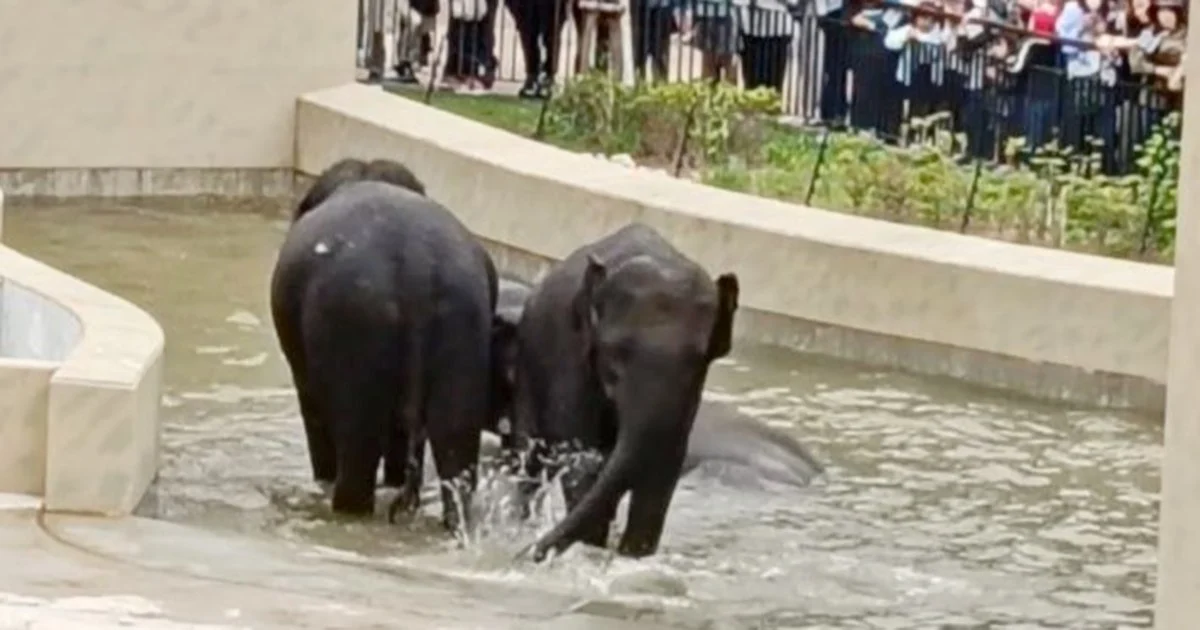
The Malaysian Anti-Corruption Commission has commenced an investigation into the Taiping Municipal Council regarding the controversial transfer of three elephants to Tennoji Zoo in Japan, though the scope of the inquiry at this stage remains confined to a thorough examination of available documentation. This approach suggests that investigators are beginning their work methodically by establishing a paper trail and understanding the administrative procedures followed during the elephant relocation process.
The decision to limit the initial investigation to document review reflects a standard investigative practice employed by the MACC when examining potentially questionable municipal transactions. By first sifting through relevant records—including contracts, approval letters, correspondence, and financial documentation—the commission can identify inconsistencies, irregular procedures, or procedural violations that may warrant deeper scrutiny. This foundational phase is critical in determining whether the transfer process adhered to established protocols and whether proper oversight mechanisms were engaged.
The transfer of the three elephants represents a significant transaction involving a local government body and a foreign institution. Such international arrangements typically involve multiple layers of approval, including wildlife protection assessments, veterinary clearances, and compliance with international animal welfare standards. The documentation generated through these processes would be essential for the MACC to verify whether all necessary steps were properly executed and whether any parties involved held undisclosed interests in the transaction.
For Malaysian readers and observers, this investigation touches on broader questions about municipal governance and the oversight mechanisms protecting public resources and animals housed under local authority care. Taiping is home to a zoo facility that has housed these elephants, and the decision to transfer them overseas would have involved significant discussions about animal welfare, financial arrangements, and the legitimacy of such international agreements. The inquiry appears designed to ensure that the council acted in the public interest rather than for the benefit of specific individuals or connected parties.
The involvement of Tennoji Zoo, a facility located in Osaka, Japan, adds an international dimension to the probe. Such transfers typically require not only approval from Malaysian environmental and wildlife authorities but also compliance with international conventions governing animal trade and welfare. The documentation review will likely examine whether appropriate international permits were obtained and whether the transaction followed established legal frameworks governing the movement of protected wildlife across borders.
At this stage, the MACC has not indicated whether criminal misconduct has been identified, and the focus on documentary evidence suggests investigators are still in the information-gathering phase. However, the decision to formally investigate the Taiping Municipal Council indicates that sufficient concerns were raised to warrant official scrutiny. This could stem from public complaints, internal referrals, or concerns raised by wildlife advocacy groups regarding the propriety of the transaction.
The limitation of the investigation to document review at present should not be interpreted as indicating a narrow scope for the overall inquiry. If the documentary evidence reveals irregularities or evidence of misconduct, the MACC typically expands its investigation to include witness interviews, forensic analysis, and cooperation with other government agencies. The current phase effectively determines whether there are reasonable grounds to pursue more extensive investigative measures.
For the Taiping Municipal Council, the investigation represents a significant institutional challenge that will require demonstrating the transparency and proper governance of its decision-making processes. Municipal authorities across Malaysia will be watching closely, as the inquiry sends a message about the level of scrutiny applied to major transactions involving local government resources and inter-agency dealings. The outcome could influence how councils approach future arrangements involving animal welfare and resource transfers.
The investigation also reflects growing public and institutional interest in ensuring that animal welfare considerations are properly balanced with other factors in major transactions. Malaysia's commitment to animal protection standards and environmental stewardship means that even procedurally sound decisions must be able to withstand public scrutiny and official investigation regarding their underlying motivations and implementation.
As the MACC progresses through its documentary review phase, the commission will be building the foundation for any subsequent enforcement actions if warranted. This methodical approach to investigation—beginning with comprehensive document analysis before moving to testimonial evidence—remains standard practice for anti-corruption bodies seeking to establish clear patterns of misconduct or procedural violations. The findings from this initial phase will be crucial in determining the direction and scope of the investigation going forward.

