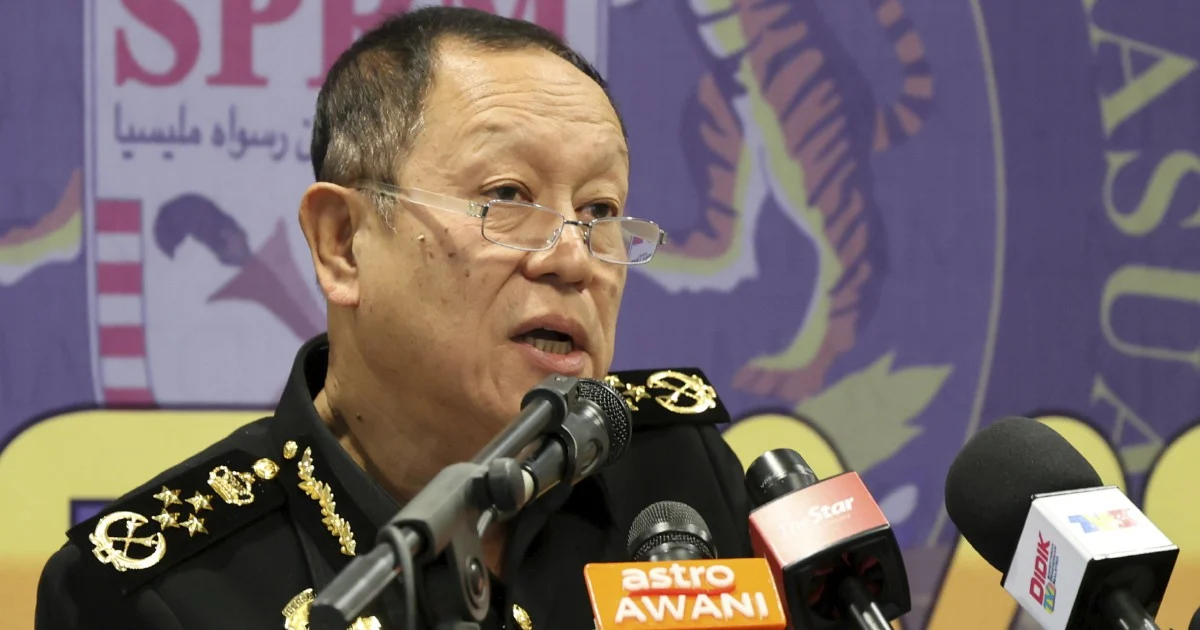
The Malaysian Anti-Corruption Commission is broadening its investigation into the 1Malaysia Development Bhd scandal by summoning several individuals for questioning regarding a luxury American property believed to have connections to the misappropriated state investment fund. Among those expected to be called is the wife of a former prime minister, signalling the investigation's continued focus on assets that may have been acquired through the sprawling financial scheme that has gripped Malaysia for nearly a decade.
The luxury property in question represents one thread in the expansive 1MDB investigation that has captured international attention and resulted in prosecutions, asset seizures, and diplomatic tensions. American real estate acquired through suspect channels has emerged as a key area of scrutiny, with investigators attempting to trace the complex pathways through which funds allegedly flowed from the troubled sovereign wealth fund into overseas acquisitions. The MACC's decision to formalize questioning of multiple witnesses suggests the commission believes it has accumulated sufficient preliminary evidence to advance its inquiry into this particular asset.
The involvement of a former prime minister's spouse underscores the investigation's reach into circles at the highest echelons of government and politics. Previous revelations about 1MDB have touched numerous high-profile individuals across business, politics, and finance, making this latest development unsurprising to observers who have tracked the scandal's evolution. However, the commission's methodical approach to building its case through witness statements reflects standard investigative protocol even when prominent figures are involved.
The 1MDB controversy emerged as one of the most consequential corruption cases in Southeast Asian history, involving the suspected theft of billions of ringgit from a development fund established in 2009. International investigations have traced assets acquired in New York, Los Angeles, London, and other global financial centres, revealing an elaborate scheme to funnel money into real estate, art, and other high-value purchases. The luxury American property now under MACC scrutiny forms part of this broader pattern of alleged asset accumulation.
For Malaysian citizens and regional observers, this continued investigative activity demonstrates the persistence of anti-corruption bodies in pursuing accountability years after the initial scandal broke. The involvement of MACC in examining overseas assets illustrates the increasing cooperation between Malaysian authorities and international partners in tackling cross-border financial crime. Such coordination represents a significant institutional development in combating sophisticated money laundering schemes that exploit gaps between jurisdictions.
The questioning of potential witnesses is a standard investigative step aimed at establishing chains of transaction and establishing knowledge or involvement among key actors. By calling multiple individuals, the MACC appears to be constructing a comprehensive narrative of how funds moved, who authorized transfers, and how purchasing decisions were made. The information gathered from these interviews could determine whether formal charges are pursued or whether additional investigation is necessary.
The continued emergence of new developments in the 1MDB matter has implications beyond Malaysia's borders. International authorities in the United States, Singapore, Switzerland, and other nations have pursued parallel investigations, resulting in settlements and convictions. Malaysia's investigative work feeds into this wider accountability architecture, ensuring that those involved cannot escape scrutiny regardless of borders or jurisdictional complications. The restoration of international confidence in Malaysia's financial system partially hinges on demonstrating rigorous domestic accountability.
From a Malaysian economic perspective, the 1MDB saga has had lasting consequences for the country's international reputation and investor confidence. Each new development in the investigation, particularly those involving property in developed markets like the United States, reinforces awareness of the vulnerabilities that existed within Malaysia's governance frameworks. The commitment shown by agencies like MACC to pursue these matters thoroughly contributes to rebuilding confidence in institutional integrity and regulatory oversight.
The timing of these summonses may also reflect tactical decisions about which aspects of the investigation to prioritize and which witnesses might possess relevant information about the specific property under examination. The MACC typically structures its investigative process to build logical connections and establish clear evidentiary trails before pursuing more formal enforcement action. This methodical approach, while sometimes criticized as slow-moving, provides greater assurance of prosecutorial strength if charges are ultimately filed.
Looking ahead, the outcome of these witness interviews will likely determine the trajectory of this particular branch of the investigation. The information elicited could either strengthen the case for further action or reveal gaps requiring additional inquiry. For interested observers in Malaysia and throughout Southeast Asia, this development demonstrates that accountability mechanisms continue functioning and that investigations into one of the region's most significant corruption cases remain active and substantive.

