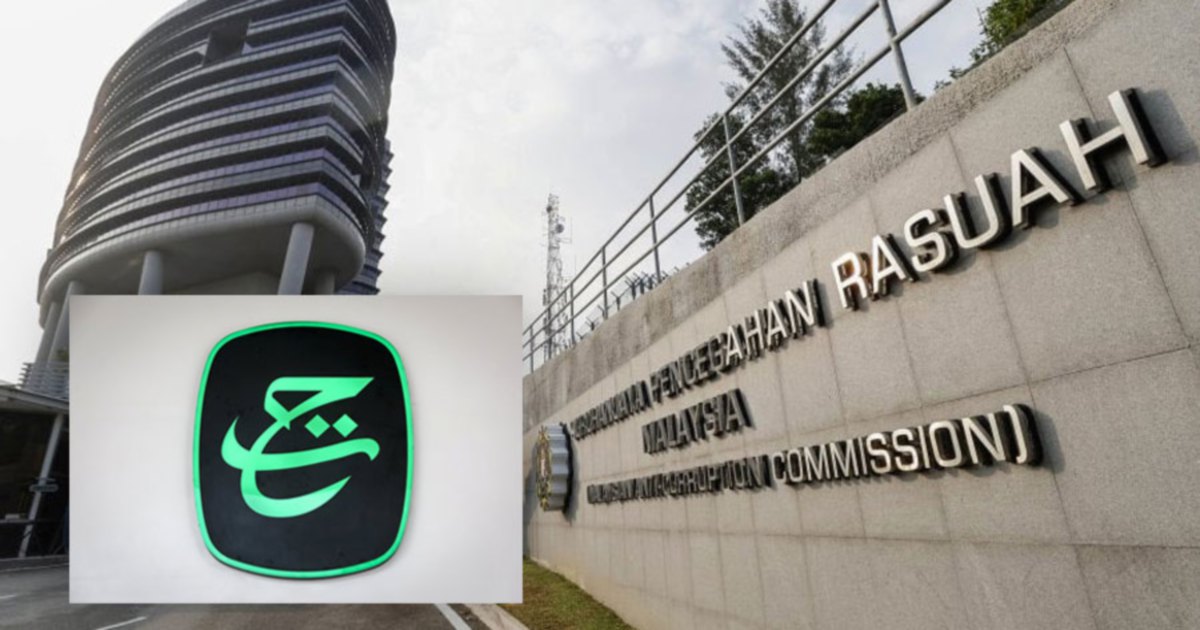
The Malaysian Anti-Corruption Commission has identified a former chief executive officer of Tabung Haji as a priority target for investigation, with plans to issue a formal summons in the coming weeks following completion of a Royal Commission of Inquiry's findings into the Islamic pilgrimage fund.
Tabung Haji, one of Malaysia's most significant financial institutions managing savings and investments for Muslims preparing for the hajj pilgrimage, has faced sustained public and regulatory scrutiny over its financial performance and governance practices. The RCI investigation was launched to examine governance failures and potential irregularities within the fund's operations. The emerging consensus among oversight authorities is that there may have been systematic mismanagement at senior leadership levels during specific periods of the fund's recent history.
The MACC's focus on former executive leadership reflects a broader pattern of investigations into institutional governance across Malaysia's financial sector. In recent years, multiple state-linked and religious authorities have faced enhanced regulatory attention, signalling a renewed commitment to accountability at the highest echelons of public institutions. For Malaysian savers and investors who trust Tabung Haji with their religious and financial commitments, such investigations carry profound implications regarding the safeguarding of their accumulated savings.
The identification of the former CEO for questioning suggests the RCI process has uncovered evidence warranting criminal investigation. Royal Commissions of Inquiry typically conduct wide-ranging examinations involving public hearings, document review, and testimony from relevant stakeholders. When these inquiries conclude with findings implicating specific individuals, they frequently trigger parallel criminal investigations by enforcement agencies like the MACC. This sequential process, while time-intensive, ensures that both investigative and enforcement mechanisms operate within their respective mandates.
For Tabung Haji, the reputational and operational challenges extend beyond the individuals under investigation. The fund has already taken corrective measures, including management restructuring and enhanced governance frameworks, aimed at restoring stakeholder confidence. However, regulatory findings that implicate former leadership can undermine trust among the millions of Malaysians who contribute to the fund annually. The institution's ability to recover its standing depends significantly on the transparency of ongoing investigations and the robustness of remedial actions implemented.
The timing of the MACC's anticipated summons occurs amid broader conversations within Malaysia's financial regulatory ecosystem about institutional oversight. Enforcement agencies, the Securities Commission, Bank Negara Malaysia, and religious authorities have collaborated increasingly on cross-sector governance issues. The Tabung Haji situation exemplifies how lapses in one major institution can trigger cascading effects across related regulatory domains, prompting comprehensive reviews of similar entities.
From a Southeast Asian perspective, Malaysia's approach to investigating governance failures in religious and social welfare institutions reflects evolving standards across the region. Countries including Indonesia and Singapore have similarly pursued high-profile examinations of state-linked entities and funds, demonstrating a regional commitment to institutional accountability. The visibility of such investigations, while occasionally controversial, signals to international investors and rating agencies that Malaysia maintains credible enforcement mechanisms.
The implications for Malaysian pilgrims are multifaceted. Tabung Haji serves not merely as a savings vehicle but as a cultural and religious institution integral to Islamic practice in Malaysia. Investigations that question the integrity of its leadership can create uncertainty about the fund's future direction and the safety of accumulated balances. However, credible investigation and enforcement also provide reassurance that malfeasance will not be tolerated, potentially strengthening long-term confidence in reformed institutional practices.
Stakeholders anticipate that the MACC's formal summons will lead to detailed questioning regarding financial decisions, investment allocations, expenditure approvals, and governance procedures during the former CEO's tenure. Such interrogations typically examine whether decisions were made in accordance with fiduciary responsibilities and regulatory requirements, or whether personal interests or unauthorised arrangements influenced institutional operations. The evidentiary threshold for progression from investigation to potential prosecution remains stringent, requiring clear documentation of intentional wrongdoing or gross negligence.
The broader institutional response to these investigations will shape how other Malaysian corporations and public entities approach governance going forward. If the MACC proceedings result in meaningful consequences for senior leaders found culpable, the deterrent effect across the financial and religious sectors could be substantial. Conversely, if investigations stall or prove inconclusive, confidence in enforcement mechanisms may erode among the Malaysian public.
Looking forward, observers anticipate that the outcome of the Tabung Haji investigation will inform regulatory discussions about oversight mechanisms for similar funds and institutions managing significant public assets. The RCI findings, combined with MACC enforcement actions, are likely to generate recommendations for legislative or procedural refinements, potentially affecting governance standards across Malaysia's broader institutional landscape. For now, the anticipated summons represents the next concrete phase in accountability processes that began with the RCI's comprehensive examination.

