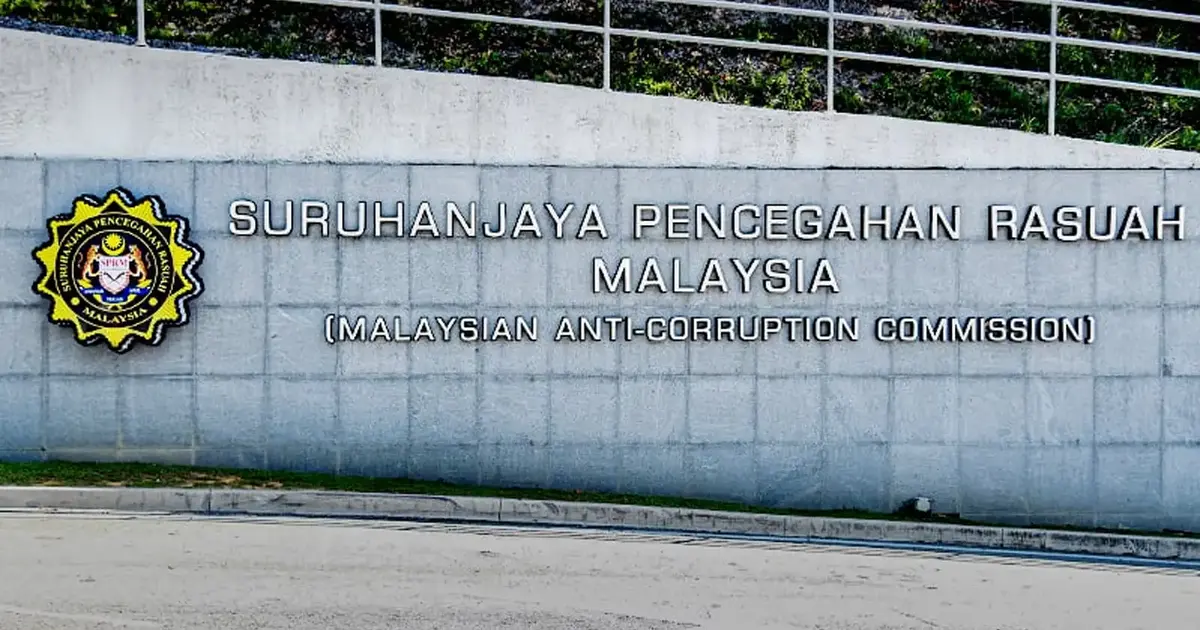
The Malaysian Anti-Corruption Commission (MACC) is set to bring 13 company proprietors before the courts in what represents a significant enforcement action targeting corruption within Malaysia's job training ecosystem. The prosecutions emerge from an investigation into misconduct surrounding the Daya Kerjaya 2.0 programme, a government initiative designed to develop the workforce and create employment opportunities across the nation.
Daya Kerjaya 2.0 is a cornerstone policy programme aimed at addressing skills gaps and enhancing employability among Malaysian workers, particularly young people entering the labour market. The scheme provides training subsidies and employment placements to boost participation in key sectors of the economy. However, the MACC's investigation has revealed that several businesses engaged with the programme exploited its mechanisms for personal gain, circumventing established protocols and regulations.
The nature of the irregularities uncovered by anti-corruption investigators points to a pattern of abuse within the programme's administration and fund management. These violations represent more than procedural oversights; they constitute deliberate breaches of the conditions under which government support was extended to participating firms. The decision to pursue formal legal action reflects the seriousness with which authorities regard such conduct and signals a commitment to protecting public resources allocated for legitimate workforce development.
From a governance perspective, this enforcement action demonstrates the MACC's expanded mandate in rooting out corruption across government-funded initiatives. Economic programmes that channel public money into business development are particularly vulnerable to misuse, and the commission's investigation into Daya Kerjaya 2.0 highlights how institutional vigilance remains essential. The cases now heading to court will establish important legal precedents regarding accountability standards for private sector participants in government schemes.
For businesses operating in Malaysia, the prosecution serves as a stark reminder of the consequences of programme abuse. Companies that benefit from government subsidies and support face heightened scrutiny, and violations can result in criminal charges, financial penalties, and reputational damage. The MACC's willingness to prosecute suggests that authorities will not tolerate instances where firms extract value from public initiatives without honouring their commitments to workforce development and compliance.
The timing of these prosecutions carries broader implications for Malaysia's anti-corruption efforts. As the government continues to invest in economic stimulus and skills development programmes, ensuring their integrity becomes increasingly critical. Corruption within such initiatives undermines their intended impact, reducing the actual benefit workers receive and compromising the effectiveness of public spending designed to enhance competitiveness and employment.
For multinational corporations and foreign investors monitoring Malaysia's regulatory environment, the MACC action offers reassurance regarding enforcement consistency. Transparent and vigorous prosecution of programme violations protects the broader business ecosystem by preventing unscrupulous competitors from gaining unfair advantages. This creates a more level playing field where compliance generates competitive benefits rather than penalties.
The court proceedings will likely involve detailed examination of financial records, contractual obligations, and employment data associated with the accused companies. Prosecutors must demonstrate how each defendant breached specific conditions of their participation in Daya Kerjaya 2.0, whether through misrepresenting worker qualifications, inflating training costs, or diverting subsidies for unauthorized purposes. These technical details will test the robustness of the MACC's investigation and the programme's oversight mechanisms.
Regional observers will be watching these cases closely, as Malaysia's approach to policing government economic schemes influences patterns across Southeast Asia. A stringent and transparent prosecution process reinforces investor confidence that public resources are managed responsibly and that institutional safeguards operate effectively. Conversely, perceptions of selective enforcement or inadequate legal consequences could encourage similar misconduct elsewhere in the region.
The prosecution also raises questions about systemic vulnerabilities in Daya Kerjaya 2.0's design and administration. If 13 companies successfully exploited the programme, the number of successful prosecutions may represent only a fraction of total violations. The MACC's findings should prompt a comprehensive review of the scheme's compliance architecture, including enhanced verification procedures, real-time monitoring systems, and clearer accountability frameworks for participating businesses.
Looking forward, these legal actions underscore the importance of robust internal audit mechanisms within government agencies managing skills and employment programmes. Stronger preventive controls, combined with effective detective measures, can reduce the incidence of fraud before it occurs. The court outcomes will inform policy discussions about how Malaysia can maintain the accessibility and attractiveness of workforce development initiatives while eliminating opportunities for abuse.
Ultimately, the prosecution of these 13 company owners represents the anti-corruption system functioning as intended: detecting misconduct, building cases, and seeking accountability through the courts. The success of these proceedings will depend on how thoroughly the MACC has documented violations and whether the judicial process confirms that programme irregularities occurred. As cases proceed, they will test both the strength of anti-corruption institutions and the responsiveness of the legal system to protecting public economic initiatives.

