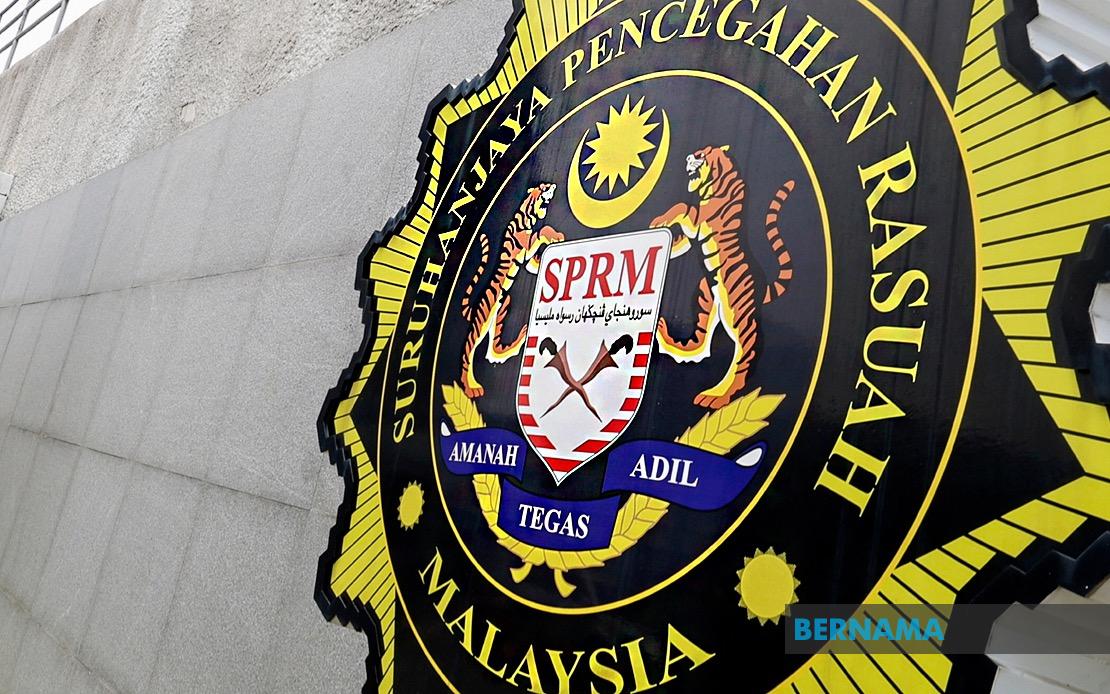
The Malaysian Anti-Corruption Commission has taken a significant step to fortify its technological capabilities by sending officers through internationally recognised training in digital forensics, positioning itself to confront an emerging challenge facing law enforcement across the region. The agency's Technology Forensic Division participated in the Amped Authenticate course held in Trieste, Italy from July 28 to 31, equipping its investigators with cutting-edge techniques for identifying compromised digital materials that increasingly threaten the integrity of criminal cases.
The digital landscape presents unprecedented challenges for anti-corruption work and law enforcement generally. As technology becomes more sophisticated and accessible, the creation of convincing false evidence—through both traditional manipulation and artificial intelligence—now poses a material risk to investigations and prosecutions. Evidence tainted by deepfakes or subtle alterations can undermine legitimate cases or, conversely, introduce reasonable doubt into proceedings. MACC's initiative addresses this vulnerability by training personnel to scientifically verify the authenticity of images, audio recordings, and video materials that may form the basis of corruption charges.
The training curriculum encompasses a comprehensive toolkit of visual forensic methodologies designed to detect tampering at multiple levels. Participants learned metadata analysis techniques that examine hidden information within digital files, camera fingerprinting approaches that identify the specific device used to capture an image, and sophisticated image editing detection methods. The course also covered physical consistency assessment—evaluating whether shadows, reflections, and lighting properties match realistic conditions—and specialised deepfake detection procedures that identify artificial video generation and synthetic media creation.
Behind these investigative techniques lies rigorous scientific methodology. The division employs Photo Response Non-Uniformity analysis, a technique based on the unique sensor patterns inherent to every digital camera, combined with JPEG Dimples analysis that detects compression artefacts introduced by image modification. Shadow and reflection geometry analysis provides another layer of verification, assessing whether elements within an image maintain consistent physical proportions and lighting. These methods collectively establish whether digital evidence has been genuinely captured or artificially generated or altered.
The significance of this training extends beyond procedural competence. Analysis reports produced using Amped Authenticate software carry international recognition and comply with ISO/IEC 17025 standards for forensic laboratory operations. This alignment with global standards matters substantially: it means that evidence authenticated through MACC's new methods will meet the evidentiary thresholds applied by international partners and, domestically, satisfy stringent requirements for expert witness testimony. Every analysis rests on established scientific principles including Peak-to-Correlation Energy statistics and JPEG quantisation analysis, creating a defensible foundation for court proceedings.
The training carries particular relevance for Malaysia's broader anti-corruption framework and the administration of justice. Corruption cases frequently hinge on documentary and digital evidence—financial records, communications, surveillance materials—that prove intent, transactions, or concealment. Should such evidence be subject to manipulation or replacement with synthetic alternatives, the consequences ripple through the entire investigative and prosecutorial chain. False convictions based on corrupted evidence undermine public confidence in institutions; conversely, legitimate corruption cases undermined by artificially introduced doubt allow wrongdoing to persist. MACC's capacity to definitively establish authenticity serves both directions of justice.
The timing of this investment reflects broader regional awareness of emerging technological threats. Across Southeast Asia, law enforcement agencies confront rapid advancement in synthetic media creation, artificial intelligence, and digital manipulation tools that have become increasingly user-friendly and accessible. Countries throughout the region struggle with similar vulnerabilities. By building specialised expertise in digital forensics, Malaysia positions itself ahead of the curve, enabling its investigators to work confidently with digital evidence even as the technology underlying potential forgeries advances.
The personnel trained during the July course—including Technology Forensic Division director Wan Zulkifli Wan Jusoh, Putrajaya director Mohd Shahril Che Saad, and forensic officers Dr Syah Reezal Md Bashah and Muhamad Khairi Mohamad Dain—now carry responsibility for embedding these capabilities throughout the agency. Their return establishes a foundation for training additional investigators and systematically integrating these methodologies into standard forensic protocols. This cascading approach to institutional capacity-building ensures that sophisticated digital authentication does not remain confined to a handful of specialists.
Court admissibility of digital evidence ultimately depends on the methodology's scientific grounding and the expert witness's ability to explain that methodology transparently and defensibly. The Evidence Act 1950 provides the legal framework, but substance matters as much as form. MACC officers equipped to testify authoritatively about specific forensic techniques—explaining precisely how they detected manipulation or verified authenticity—present courts with the clarity and scientific rigour that modern justice systems demand. This capability directly strengthens prosecution of complex financial and white-collar crimes where documentary evidence constitutes the cornerstone of the case.
Beyond individual prosecutions, this initiative reflects a broader strategic commitment to protecting institutional integrity against sophisticated threats. Corruption itself increasingly exploits digital tools and technology; combating it requires that anti-corruption bodies develop corresponding technological sophistication. The MACC's willingness to invest in international training, adopt internationally recognised standards, and build specialised internal expertise demonstrates recognition that effective enforcement cannot rely on traditional methods alone. The agency positions itself not merely to investigate historical conduct but to anticipate and counter evolving methods of concealment and manipulation.
The global dimension of this training also highlights the interconnected nature of modern forensic work. Digital evidence crosses borders instantaneously; investigations frequently involve international actors or assets; and the integrity of cases depends on evidence standards that transcend national boundaries. By participating in internationally recognised courses and adopting ISO-compliant methodologies, MACC ensures that its investigations maintain credibility with regional partners and international institutions. This creates capacity not only for domestic prosecution but for regional cooperation in complex cases involving multiple jurisdictions.

