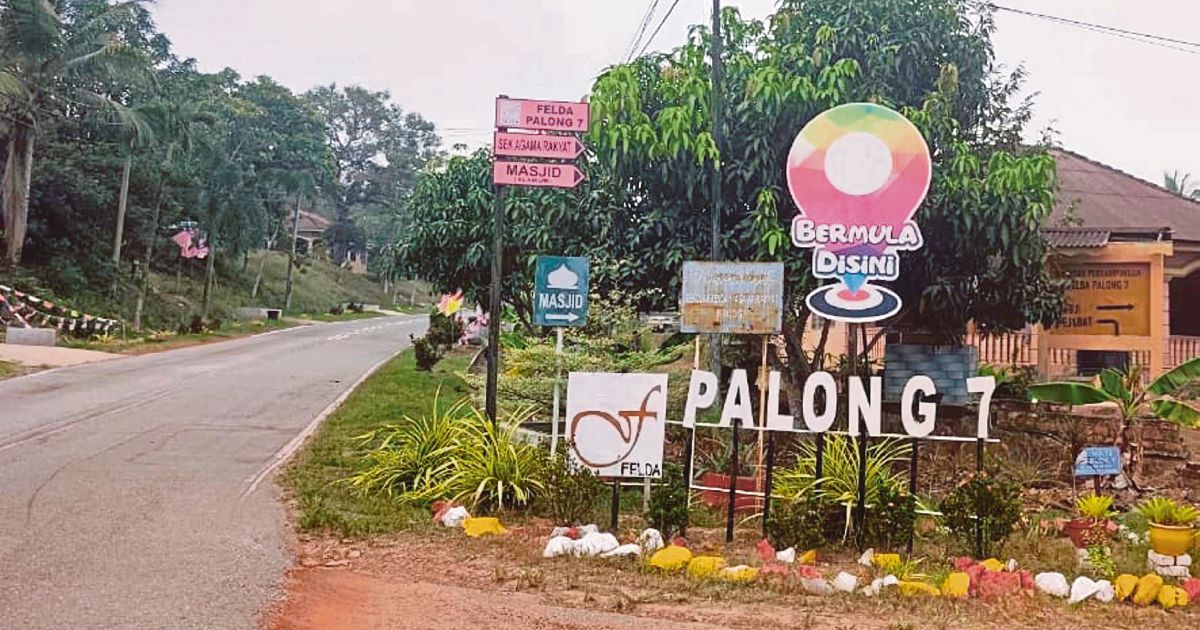
The Malaysian Anti-Corruption Commission has launched a document review into suspected wrongdoing connected to a major oil palm replanting initiative at Felda Palong 7 in Jempol, Negri Sembilan, with the project valued at approximately RM80 million. The agency is methodically examining at least five separate documents as it seeks to establish whether procedural breaches or financial mismanagement occurred during the project's conception, tender, or execution phases.
Felda Palong 7 represents one of Malaysia's established palm oil estates, where replanting projects are integral to maintaining productivity and land viability. Such initiatives typically involve significant capital outlay, coordination across multiple government and private entities, and strict adherence to procurement standards. The scale of this particular project—valued in the eight-figure range—means regulatory oversight is especially stringent, and any deviation from established protocols warrants thorough investigation.
The MACC's focus on documentary evidence reflects standard anti-corruption investigative methodology. By examining purchase orders, tender documentation, payment vouchers, contract agreements, and related administrative records, investigators can construct a timeline of decisions and financial flows. These documents often reveal whether competitive bidding processes were properly followed, whether payments matched services rendered, or whether connected parties benefited from non-transparent arrangements.
For Malaysian readers familiar with previous corruption cases involving statutory bodies and agricultural schemes, this investigation carries particular resonance. Federal Land Development Authority (Felda) entities have periodically faced scrutiny over financial management and governance standards. The current probe underscores the anti-corruption agency's commitment to examining large-scale development projects, regardless of the organisations involved, and signals that public funds deployed in agriculture remain subject to rigorous oversight.
The replanting of palm oil estates involves complex technical requirements and substantial expenditure on materials, labour, and specialist expertise. Irregularities in such projects might encompass inflated quotations, payments for work not completed to specification, diversion of funds to unauthorised purposes, or awarding contracts to preferred vendors without transparent selection criteria. The MACC's investigation will likely determine whether financial safeguards operated as intended.
Negri Sembilan, where Jempol is located, hosts several substantial agricultural operations. The state has witnessed various development initiatives over recent years, and maintenance of public confidence in how these projects are managed remains essential for broader investor and stakeholder trust. An investigation that is thorough, fair, and transparent can ultimately reinforce confidence in governance frameworks, whereas concealment or inadequate scrutiny would undermine public faith in institutional accountability.
The timeline for such investigations typically spans several months as agencies cross-reference documents, interview relevant personnel, and assess whether evidence meets the threshold for formal charges. The MACC's current document review phase suggests the investigation remains at an intermediate stage, with substantive conclusions likely still forthcoming. This phased approach is standard practice and allows investigators to build comprehensive cases rather than pursue premature action.
Regional context matters here as well. Across Southeast Asia, agricultural state enterprises have occasionally come under scrutiny for governance lapses. Malaysia's relatively robust institutional framework—including an independent anti-corruption commission with investigative powers and prosecutorial reach—positions the nation comparatively well in addressing such concerns. However, systematic improvements in procurement transparency and conflict-of-interest protocols within statutory bodies remain areas where enhanced measures could strengthen public accountability further.
For stakeholders in the palm oil sector—including estate workers, contract suppliers, neighbouring communities, and investors—clarity regarding how allegations are investigated and resolved carries significance. Transparent handling of corruption concerns can actually support legitimate business operations by distinguishing professional operators from those inclined toward misconduct. The investigation thus serves a broader market discipline function, not merely a compliance or punitive role.
The replanting initiative itself reflects Malaysia's ongoing efforts to rejuvenate aging plantation infrastructure. As global climate concerns and sustainability pressures reshape agricultural markets, maintaining productive capacity through principled replanting programmes remains strategically important. Ensuring that such projects operate under rigorous governance standards becomes increasingly vital as Malaysia navigates competition in global commodity markets and responds to international scrutiny regarding environmental and social compliance.
As the MACC progresses through its document examination phase, interested parties—including Felda management, government agencies overseeing agricultural development, industry participants, and the broader public—await conclusions. Whether the investigation concludes that irregularities occurred and warrant enforcement action, or that proper procedures were followed, the process itself demonstrates the institutional capacity to examine large financial transactions and hold organisations accountable when evidence warrants such action. This investigative transparency ultimately strengthens public institutions and reinforces the rule of law within Malaysia's governance framework.

