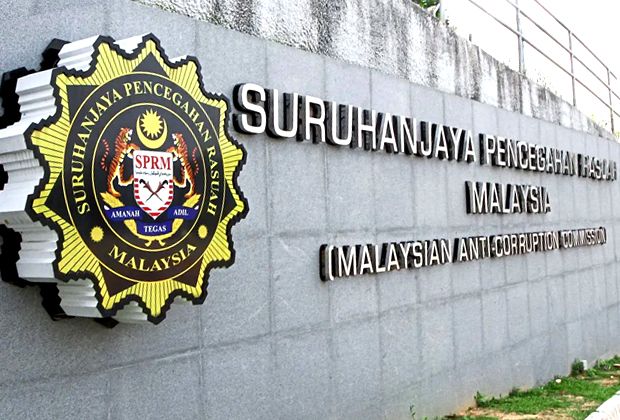
The Malaysian Anti-Corruption Commission has formally lifted asset seizure orders that had been imposed on Rohas Tecnic and its subsidiary HGPT, clearing the way for both entities to restore full banking privileges and operational capacity. The revocation orders, issued under the Anti-Money Laundering, Anti-Terrorism Financing and Proceeds of Unlawful Activities Act 2001, mark a significant turning point for the power transmission and telecommunication tower manufacturer, which had faced substantial restrictions on its financial activities for more than a month.
The scope of the lifted orders extends beyond the corporate entities themselves to encompass the personal bank accounts of current and former officers of HGPT, according to statements filed by the company with Bursa Malaysia. This broader release of individually held accounts reflects a comprehensive clearance of the financial constraints that had previously ensnared multiple parties connected to the business operations. The removal of these restrictions represents a complete restoration of banking normalcy for all affected parties.
Rohas Tecnic's announcement confirms that all financial accounts previously subject to the seizure regime have now been unfrozen, permitting the corporation to resume unrestricted management of its banking facilities and day-to-day commercial transactions. The reinstatement of full operational capacity comes as a relief to a company whose core business depends on reliable access to capital for project financing and vendor payments. The industrial sector's reliance on steady cash flow management makes such restrictions particularly disruptive to companies engaged in infrastructure and telecommunications tower manufacturing.
The sequence of events began on October 17, 2025, when Rohas Tecnic first disclosed that the MACC had issued both freezing and seizure orders targeting specific bank accounts held by the parent company and its two primary subsidiaries, HGPT and Rohas-Euco Industries Bhd. These orders were issued under separate provisions of the anti-money laundering framework, with freezing measures invoked under Section 44(1) and asset seizures under Section 50(1) of AMLA. The dual regulatory action suggested authorities were conducting a comprehensive investigation into suspected financial irregularities, though no specific charges or allegations were made public.
The revocation process unfolded gradually over the following weeks. On November 26, 2025, both the parent company Rohas Tecnic and the subsidiary HGPT received formal revocation orders issued by the Deputy Public Prosecutor, acting under the authority granted by Section 50(1) of AMLA. These orders specifically addressed the seizure component of the restrictions that had been placed on the entities' financial accounts. A day earlier, on November 25, the related subsidiary REI had already received its own revocation orders through the MACC, which operated under the slightly different procedural authority of Section 44A of AMLA.
The staggered nature of the revocations across the three entities suggests that each organization may have faced distinct investigative tracks or that authorities proceeded through methodical administrative channels. The involvement of the Deputy Public Prosecutor in issuing revocation orders for the main entities indicates that the matter had progressed to a level requiring prosecutorial oversight, even as the final determination was to lift the restrictions entirely. Such involvement typically reflects cases where authorities have assessed available evidence and concluded that continued asset preservation measures are no longer justified or warranted.
For Malaysian businesses operating in capital-intensive sectors like infrastructure and telecommunications, the implications of such investigations can extend far beyond the immediate financial constraints. Asset freezes can damage business reputation, disrupt client relationships, and create uncertainty among financial partners and suppliers. The extended duration of restrictions—spanning more than a month—would have imposed operational strain on a company dependent on continuous capital deployment for project execution and workforce management. The full restoration of banking access therefore addresses both immediate operational needs and longer-term business confidence.
The revocation orders carry particular significance within Malaysia's broader anti-corruption and financial crime enforcement landscape. The MACC's willingness to issue and then revoke such orders reflects the inherent balance within the anti-money laundering regime between investigative necessity and the rights of businesses to operate normally absent definitive evidence of wrongdoing. The revocation does not necessarily imply any wrongdoing was found; rather, it indicates that the specific justifications for maintaining asset restrictions have been resolved or determined to be insufficient to warrant continued preservation.
Rohas Tecnic, as a publicly listed company, benefits from regulatory transparency requirements that have kept stakeholders informed of these developments through mandatory Bursa Malaysia disclosures. This transparent communication mechanism helps restore investor confidence following such disruptions. The company's ability to promptly announce the lifting of restrictions provides market participants with clarity regarding the company's operational status and financial capacity moving forward. For a manufacturing entity reliant on project-based revenue, such clarity matters considerably for maintaining client confidence and financing relationships.
The resolution of this matter comes at a time when Malaysian enforcement authorities continue refining their approaches to anti-money laundering compliance and investigation. The episode underscores both the potency of AMLA provisions as investigative tools and the importance of ensuring that such powerful instruments are deployed proportionally and resolved expeditiously when circumstances warrant. For companies in the infrastructure and telecommunications sectors, the incident serves as a reminder of the regulatory scrutiny that remains a feature of Malaysia's financial ecosystem, alongside the procedural protections that ultimately govern the application and removal of asset-based restrictions.
Moving forward, Rohas Tecnic and HGPT can redirect management attention to core business development and operational excellence. The lifting of these restrictions removes a significant source of operational uncertainty and allows the corporation to re-engage fully with suppliers, clients, and financial partners without the cloud of ongoing financial restrictions. The return to normal banking operations restores the company's capacity to invest in growth initiatives, service existing contracts, and pursue new business opportunities within the power transmission and telecommunications infrastructure sectors.

