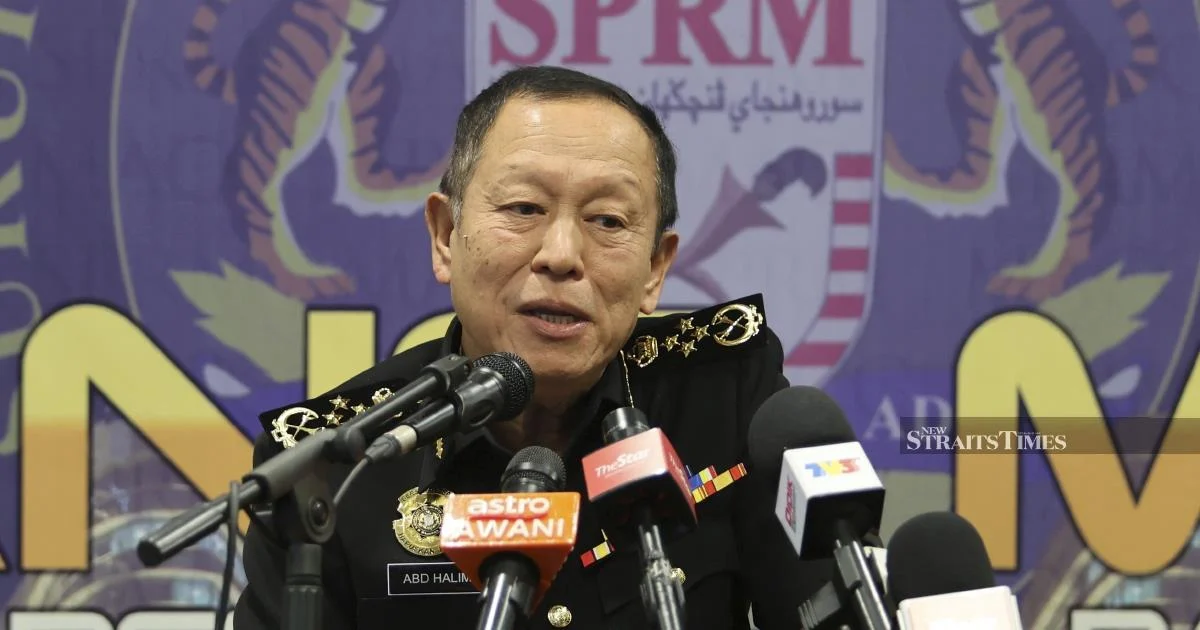
The Malaysian Anti-Corruption Commission has reaffirmed that its investigative efforts targeting fugitive businessman Low Taek Jho have never been suspended or concluded, signalling the country's continued commitment to pursuing the high-profile case despite the subject's absence from Malaysian soil.
The assurance comes as a reminder that despite Low's years abroad and the high-profile nature of his alleged involvement in financial crimes, authorities remain seized of the matter. The MACC's clarification addresses persistent questions about whether investigations had stalled or been deprioritised, a concern that frequently surfaces in public discourse given the complexity and international dimensions of the probe.
Low Taek Jho became one of Malaysia's most infamous fugitives following his alleged role in the 1Malaysia Development Berhad (1MDB) scandal, which unravelled into a massive financial embezzlement scheme. His connections to the state investment fund—purportedly used as a vehicle to siphon billions of ringgit—made him central to one of the most significant financial crimes in Southeast Asia. The probe encompasses complex financial networks, international transfers, and assets allegedly misappropriated on a staggering scale.
The significance of maintaining an active investigation extends beyond mere procedural continuity. By keeping the case open, Malaysian authorities preserve their legal options to pursue Low wherever he may be located, whether through formal extradition requests, asset recovery proceedings, or coordinated international law enforcement efforts. Many fugitives of similar notoriety have faced mounting legal jeopardy over time as new evidence emerges or as their circumstances change, making an active investigation status critically important.
Low's elusiveness has been a persistent frustration for Malaysian investigators and the public alike. His apparent ability to remain outside Malaysia's jurisdiction, despite the gravity of allegations against him, has fuelled speculation about the investigation's vigour and resource allocation. The MACC's statement serves to counter suggestions that the passage of time has diminished official commitment to the case, a perception that could undermine public confidence in the country's anti-corruption efforts.
The investigation's international complexity cannot be understated. The 1MDB scandal implicated financial institutions across multiple jurisdictions, involved shell companies and offshore structures, and required cooperation from foreign authorities. This multijurisdictional nature means that progress often depends on coordination with international partners, information-sharing agreements, and the varying legal standards across different nations. Malaysia's ability to keep the investigation alive demonstrates institutional persistence in navigating these challenges.
For Malaysian citizens, the reassurance holds particular weight given the substantial public funds allegedly involved. The 1MDB saga represented not merely a corporate scandal but a breach of public trust that affected government finances and, by extension, public services and investments. The continued pursuit of Low and examination of his role symbolises accountability for large-scale financial malfeasance, even when perpetrators flee the country.
The MACC's position also reflects the evolving landscape of international fugitive pursuit. Modern anti-corruption agencies increasingly employ cross-border cooperation mechanisms, asset tracking technologies, and international enforcement networks that did not exist in previous decades. An active investigation status allows Malaysia to leverage these mechanisms systematically, potentially catching Low through enforcement actions in jurisdictions where he holds assets or conducts financial transactions.
Moreover, maintaining investigative momentum serves deterrent functions beyond Low's individual case. Public knowledge that authorities continue pursuing high-profile fugitives sends a message about the consequences of financial crimes and the long reach of accountability. This effect matters for Malaysia's international standing and domestic confidence in governance institutions.
The reopening of investigations or renewed international attention could yield breakthrough developments. Intelligence gathering, witness cooperation, or asset discoveries may have evolved since earlier phases of the inquiry. Technology and financial forensics capabilities improve continuously, potentially allowing investigators to unravel complex money trails with greater clarity than was previously possible.
For the broader Southeast Asian region, the sustained investigation demonstrates institutional commitment to addressing transnational financial crimes. Malaysia's case against Low and the broader 1MDB scandal served as a catalyst for strengthened regional cooperation on financial transparency and anti-corruption measures, particularly within frameworks addressing money laundering and illicit asset flows.
The MACC's statement essentially confirms that the file remains open, resources remain allocated, and legal pathways for pursuing Low continue to be available. This posture, maintained publicly and through ongoing investigative work, ensures that opportunities for justice remain viable regardless of how much time passes or where the fugitive may currently reside.

