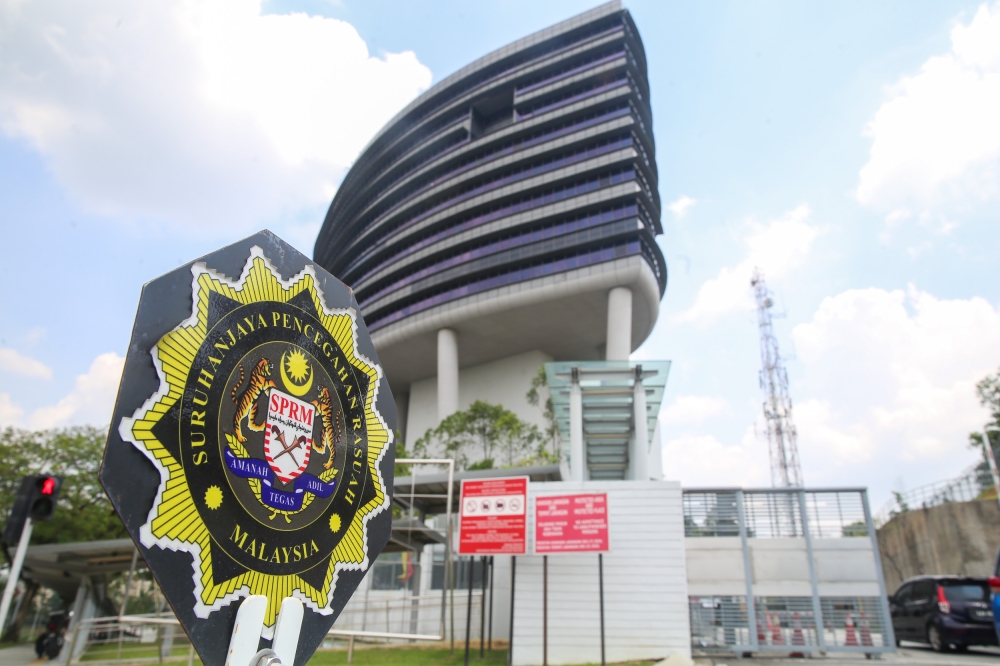
The Malaysian Anti-Corruption Commission has announced a significant investment in digital forensics technology aimed at identifying artificially generated content and detecting tampering in electronic evidence—a capability that has become essential as anti-corruption work increasingly intersects with digital manipulation and deepfake technology. The expansion comes as investigators across Southeast Asia grapple with sophisticated methods that corrupt officials and their associates employ to obscure financial trails and manufacture false exculpatory materials.
This initiative reflects a broader recognition within Malaysia's law enforcement apparatus that traditional corruption detection methods require substantial updating. As digital communication becomes ubiquitous in commercial and governmental transactions, evidence of wrongdoing now exists primarily in electronic form—from manipulated financial records to fabricated communications. The MACC's new forensics capacity addresses a critical vulnerability: the growing plausibility of AI-generated content means that investigators can no longer rely on surface-level authenticity assessments when examining digital materials presented as evidence by either prosecutors or defendants.
The deepfake challenge represents a particularly acute concern for anti-corruption work. Audio and video recordings can now be synthetically generated with such fidelity that distinguishing authentic material from manufactured content requires specialized analytical tools. In high-stakes corruption cases where reputations and substantial prison sentences hang in balance, such technology could theoretically be deployed to discredit legitimate evidence or create false incriminating material. The MACC's determination to build forensic capacity signals that Malaysian authorities understand these risks may already be materializing within active investigations.
Strengthening digital forensics capabilities carries implications beyond corruption enforcement. The same technologies that MACC develops to authenticate evidence could support other investigative agencies—from the Royal Malaysian Police to the country's intelligence services. Regional cooperation is equally important; as corruption networks frequently operate across Southeast Asian borders, Malaysia's forensic advancements could facilitate information-sharing with counterpart agencies in neighbouring countries investigating transnational graft. This positions the MACC as a potential technical resource within ASEAN's anti-corruption infrastructure.
The investment also speaks to evolving courtroom standards. Malaysian judges increasingly demand rigorous authentication of digital evidence, moving beyond mere presentation of files or recordings. Prosecutors must now establish clear chains of custody for electronic materials and demonstrate that data has not been altered or fabricated. Defence counsel can challenge the authenticity of digital evidence by raising reasonable doubt about its origins or integrity. A credible digital forensics unit operated by an independent agency like the MACC provides judges with the technical analysis needed to resolve such authenticity disputes fairly.
Commentators have noted that the capacity building represents pragmatic adaptation rather than radical innovation. Developed democracies have operated sophisticated digital forensics centres for over a decade, and their experience demonstrates both the necessity and the limitations of such work. False positives remain possible even with advanced tools; demonstrating that a deepfake is fake requires expertise that courts must be able to scrutinize through expert testimony and cross-examination. Malaysia's approach acknowledges this reality by establishing institutional capacity rather than promoting technological determinism.
The timing of this announcement coincides with broader regional trends toward more sophisticated financial crimes. As cryptocurrency adoption spreads throughout Southeast Asia and cross-border e-commerce proliferates, corrupt officials increasingly employ digital methods to launder proceeds and conceal beneficial ownership. Traditional asset-tracing techniques often prove inadequate when applied to encrypted communications and blockchain transactions. A MACC equipped with modern digital forensics capabilities can potentially penetrate such systems more effectively than units relying on conventional investigation methods.
Implementing this capability will require sustained investment in personnel and training. Recruiting digital forensics specialists from the private sector and academic institutions remains challenging given competitive salaries in commercial cybersecurity. Malaysia must develop career pathways that make MACC positions attractive to talented technologists and researchers who might otherwise pursue higher-paying roles in the private technology industry. Regional secondment programmes and academic partnerships could supplement direct recruitment.
The initiative also underscores how corruption investigation has become technically complex in ways that demand institutional specialization. Generalist investigators can no longer realistically develop the depth of digital forensic knowledge required to handle sophisticated cases. Establishing a dedicated unit acknowledges that modern corruption often requires forensic capabilities comparable to those deployed in international terrorism investigations. This structural evolution represents a maturation of Malaysian law enforcement capacity appropriate to contemporary threats.
Critical observers note that forensic sophistication alone cannot ensure successful prosecution if investigative processes lack integrity or if political considerations distort charging decisions. Digital forensics tools are only as valuable as the investigative framework within which they operate. MACC's institutional independence and professional standards determine whether advanced technical capability translates into legitimate enforcement or merely sophisticated abuse. The credibility that Malaysia's anti-corruption efforts command regionally depends partly on demonstrable respect for procedural fairness.
Moving forward, the MACC's expanded digital forensics capacity should enhance its ability to prosecute complex corruption cases where evidence exists primarily in electronic form. For Malaysian businesses and citizens, more robust forensic capability means greater confidence that corruption investigations rest on authenticated evidence rather than unreliable digital materials. For Southeast Asian cooperation in combating transnational graft, the MACC becomes a more capable technical partner. The initiative represents incremental but meaningful progress in adapting Malaysia's anti-corruption infrastructure to contemporary challenges.

