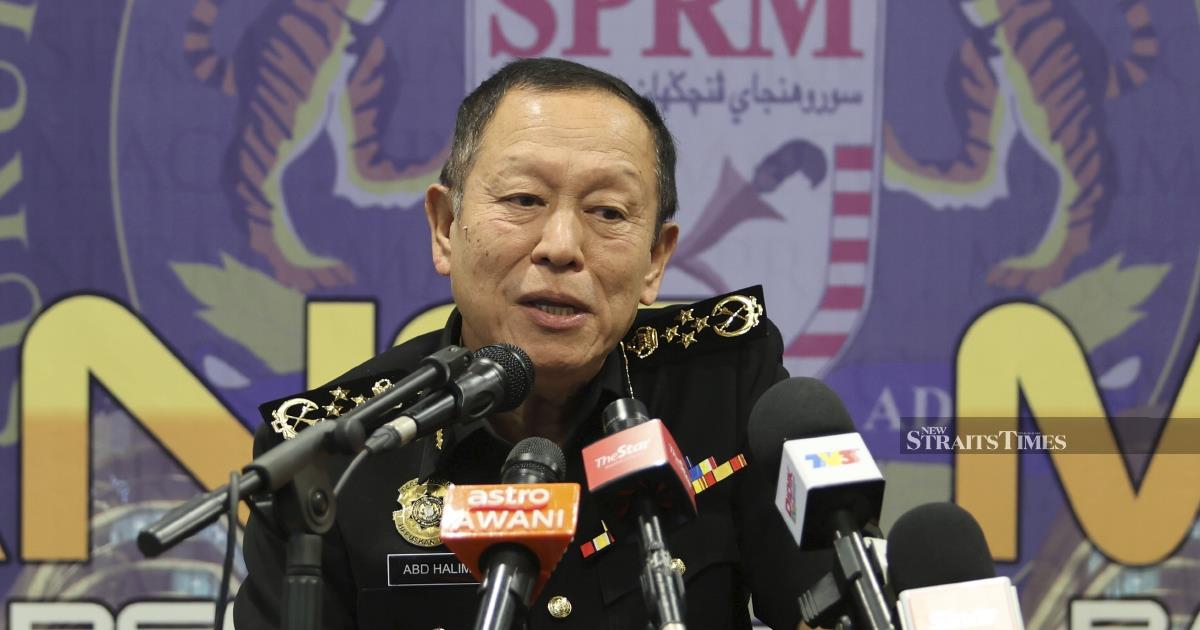
The Malaysian Anti-Corruption Commission has deepened its investigation into the Retirement Fund (Incorporated)'s contentious RM200 million commitment to eFishery, an Indonesian aquaculture technology enterprise, by conducting formal interviews with 10 witnesses drawn from senior echelons of both the pension fund and the Finance Ministry. The development signals that authorities are methodically building their case through documented testimony from individuals positioned to offer crucial insights into how the transaction was evaluated, approved, and executed.
The decision to call witnesses from multiple institutions underscores the complexity of tracing accountability across what appears to be a multi-layered approval process. KWAP, which manages retirement savings for public sector employees across Malaysia, would ordinarily require sign-off from internal governance structures as well as oversight bodies before committing such substantial sums to foreign investments. By assembling perspectives from both the fund's management and Finance Ministry counterparts, investigators can cross-reference accounts of how due diligence was conducted and whether prescribed procedures were followed.
The eFishery investment has drawn considerable public concern since its announcement, particularly given the opacity surrounding the deal's rationale and the fund's exposure to a relatively young venture operating in an emerging market sector. Aquaculture technology remains an evolving field, and questions have naturally arisen regarding why KWAP elected to concentrate such capital into a single company rather than diversifying its international portfolio. The fund's primary mandate centres on securing retirement income for members, making each investment decision subject to principles of prudent stewardship.
Context matters here. KWAP manages billions in assets and serves as custodian of retirement security for hundreds of thousands of Malaysian public servants. Any major capital allocation represents a fiduciary decision with long-term implications for pension adequacy and fund stability. The RM200 million figure, while substantial in absolute terms, represents a notable percentage of discretionary capital available for emerging market opportunities. This concentration of risk warrants rigorous examination of how investment committees appraised the opportunity and what mitigating factors informed their judgment.
Indonesia has emerged as an important regional economic partner for Malaysia, and Indonesian companies increasingly attract attention from Malaysian institutional investors seeking exposure to Southeast Asian growth trajectories. eFishery itself operates within Indonesia's substantial aquaculture sector, which supplies both domestic consumption and export markets. However, technological ventures in developing nations carry inherent risks related to regulatory stability, market volatility, and operational execution that differ materially from domestic investments or holdings in more mature economies.
The witness interview phase typically represents an intermediate investigative stage, preceding determination of whether formal charges or regulatory sanctions will follow. By gathering comprehensive statements from officials at varying organizational levels, the MACC can establish timelines, identify decision-makers, trace documentation flow, and determine whether any individual or collective misconduct occurred. This methodical approach helps distinguish between poor judgment, which may attract administrative consequences, and actual corruption or breach of fiduciary duty, which carry criminal implications.
For Malaysian pension fund members and the broader public, this investigation carries symbolic weight beyond the immediate RM200 million exposure. Citizens rely upon institutions like KWAP to exercise prudent stewardship with their deferred earnings. Public confidence in fund governance depends upon transparent investment criteria, robust oversight mechanisms, and demonstrated accountability when large commitments are made, particularly internationally. The investigation's visibility and eventual conclusions will influence perceptions of institutional integrity across Malaysia's public sector.
Regional implications deserve attention as well. Malaysian institutional investors have been gradually increasing allocations to Southeast Asian opportunities, viewing the region as offering superior long-term growth prospects compared with developed markets. How authorities and fund managers navigate this eFishery situation may establish precedent for future cross-border investments by Malaysian pension funds and other institutional players. Clear standards regarding due diligence, risk assessment, and disclosure become increasingly important as capital flows intensify across the region.
The Finance Ministry's involvement in this investigation reflects the interconnected nature of public fund governance. While KWAP operates as a separate entity with its own board structure, the ministry maintains oversight responsibilities that require it to ensure institutional compliance with regulatory frameworks and fiduciary standards. Ministry officials may have been consulted on deal structure, tax implications, or regulatory alignment, creating natural touchpoints for investigation.
Looking ahead, the witness statement phase should yield clearer understanding of what information was available to decision-makers, how alternatives were evaluated, and whether any irregularities characterized the approval sequence. The investigation's trajectory will likely determine whether this represents a case of institutional learning and improved procedures or something more serious requiring corrective action. Either way, the process underscores that Malaysia's anti-corruption infrastructure continues examining high-value transactions involving public assets, even those involving sophisticated institutional investors and foreign counterparties. This sustained scrutiny reflects broader regional concerns about ensuring accountability extends uniformly across institutional hierarchies and national boundaries.

