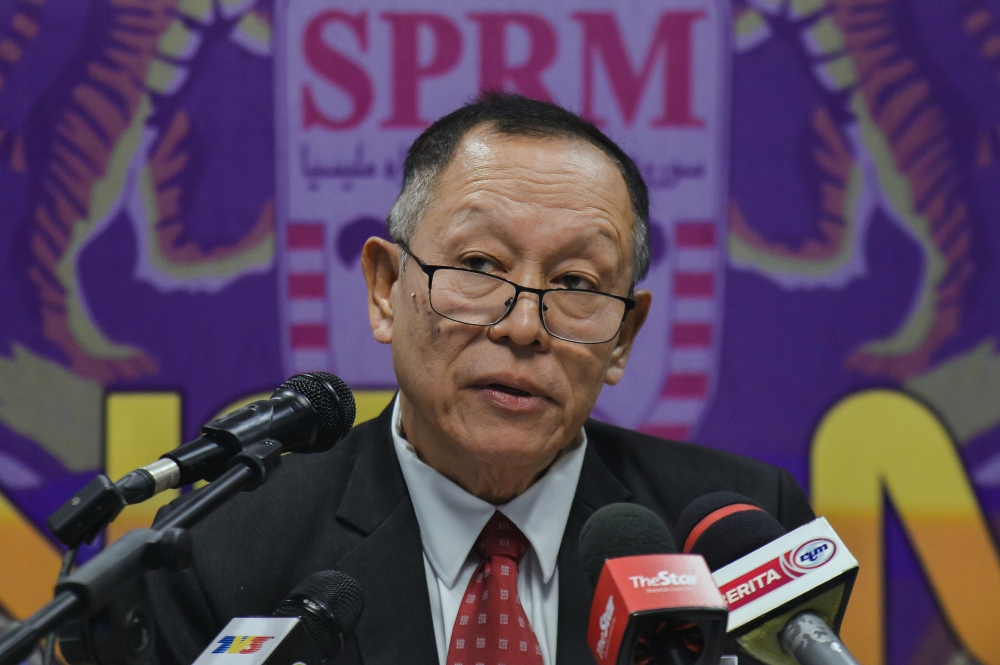
Malaysia's anti-corruption authorities are contemplating the deployment of international forensic specialists to bolster their expanding investigation into Tabung Haji, the country's pilgrimage savings agency, marking a significant escalation in the scope and complexity of the inquiry. The Malaysian Anti-Corruption Commission (MACC) has already conducted extensive preliminary work, examining evidence from 115 witness interviews and securing detention orders against seven individuals implicated in the matter, yet investigators believe foreign expertise may prove essential to unpicking the intricacies of the financial and administrative irregularities at issue.
The pilgrimage fund, which manages savings for Malaysian Muslims preparing for the Hajj to Mecca, operates as a quasi-governmental institution and has long been regarded as a trusted repository for the religious and financial aspirations of millions of Malaysians. Recent disclosures have raised serious questions about the stewardship of these accumulated resources, touching on matters of governance, accountability, and the protection of depositors' interests. The scale of questioning undertaken thus far—involving more than a hundred individuals—suggests the investigation encompasses multiple layers of institutional failure or misconduct, from operational management through to decision-making at senior levels.
The MACC's deliberation over international forensic support underscores the technical demands posed by modern financial investigations in complex institutional environments. Forensic accounting and digital forensics require specialised skills in tracing fund flows, reconstructing transaction histories, and uncovering concealed paper trails or digital evidence. Malaysian authorities may lack particular expertise in certain forensic methodologies, or may benefit from the independence and external credibility that foreign specialists can provide when examining high-profile cases involving substantial public assets.
Engaging overseas forensic teams carries both practical and symbolic weight within Malaysia's anti-corruption landscape. Institutionally, it signals MACC's determination to pursue the investigation with maximum rigour and transparency, particularly important given the public trust dimensions inherent in a case involving pilgrim savings. Internationally, it demonstrates a willingness to draw on best practices and external validation, which can strengthen the prosecution's position should evidence ultimately lead to formal charges and court proceedings. However, such arrangements also demand careful management regarding cost, timeline, and operational coordination between Malaysian investigators and foreign counterparts.
The detention of seven suspects represents a critical juncture in the inquiry, though it remains unclear whether all detainees hold senior institutional positions or whether some are mid-ranking officials whose roles intersected with the alleged irregularities. Malaysian detention procedures permit authorities to hold suspects for prescribed periods while gathering evidence, with the option to extend detention or seek formal charges. The MACC's statement about considering foreign forensic assistance suggests investigators have identified dimensions of the case requiring expertise beyond what is currently available domestically.
For Malaysian depositors and pilgrims who have entrusted their savings to Tabung Haji over decades, this investigation carries profound implications. Many contributors view their Tabung Haji account as both a religious obligation and a secure financial instrument, assured by the institution's government-linked status. Questions about mismanagement or irregularities strike at core concerns about institutional integrity and asset protection. The investigation's findings will determine not only whether individual office-holders bear culpability, but also whether systemic governance failures enabled wrongdoing.
Regional observers are monitoring the case closely, as it reflects broader challenges facing Southeast Asian institutions managing public or quasi-public funds. Malaysia's financial sector has generally maintained international confidence, yet high-profile investigations into governance at major institutions can affect regional sentiment regarding market stability and institutional reliability. The MACC's approach to this inquiry, including its willingness to access foreign expertise, may set precedents for how similar investigations are conducted across the region's financial and charitable sectors.
The investigation's trajectory also holds political dimensions, given Tabung Haji's prominence in Islamic finance and the government's stewardship of religious institutions. Recent changes in Malaysia's political landscape have included renewed emphasis on anti-corruption enforcement and institutional accountability. A thorough and credible investigation, backed by international forensic capacity where necessary, aligns with official commitments to strengthen governance and protect public confidence in state-linked entities.
The consideration of foreign forensic expertise is not unusual in major corruption inquiries worldwide, yet in Malaysia's context it underscores that the Tabung Haji matter has evolved beyond routine audit or compliance concerns into territory demanding sophisticated investigative capabilities. Whether MACC ultimately retains foreign specialists, or marshals existing domestic resources with enhanced coordination, the investigation's momentum appears to be building toward formal charges or institutional reforms based on the evidence accumulated thus far.
As the inquiry advances, the MACC faces the dual challenge of pursuing accountability while maintaining the institutional credibility essential for public and investor confidence in Malaysia's anti-corruption apparatus. The decision to engage international forensic help, should it proceed, will be watched as an indicator of the authority's commitment to leaving no evidentiary stone unturned in one of the country's most significant institutional finance investigations in recent years.

