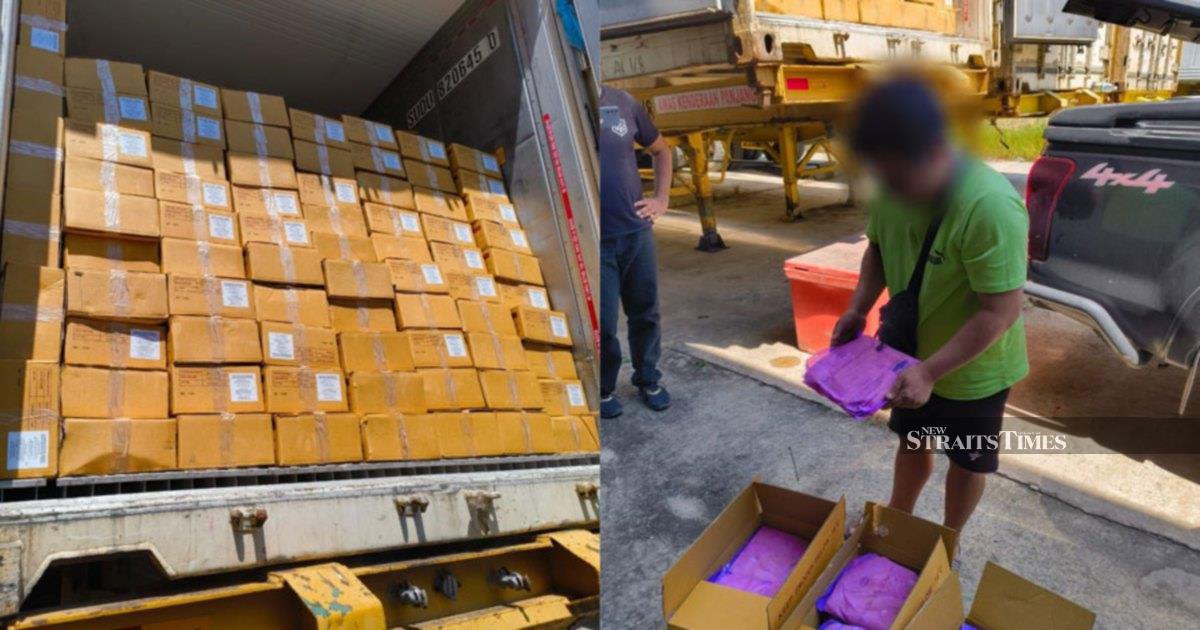
The Malaysian Anti-Corruption Commission has successfully dismantled a sophisticated criminal syndicate engaged in the unlawful importation of frozen poultry products from China into Sabah, striking a significant blow against organised smuggling operations that have long plagued the state's food security landscape.
This enforcement action represents an escalation in MACC's ongoing campaign against corruption and commercial crime affecting essential food commodities. The dismantling of the syndicate underscores growing concern among authorities about the vulnerability of Sabah's borders to illicit trade networks, particularly those exploiting loopholes in cold chain logistics where frozen goods can be moved with minimal detection.
The illegal importation of frozen chicken represents a multifaceted threat to Malaysia's domestic agricultural sector. Beyond the direct revenue loss to legitimate poultry producers, unregulated imports circumvent crucial food safety protocols and quarantine procedures established by the Veterinary Services Division. These standards exist to prevent the introduction of disease vectors and contaminated products that could trigger widespread health crises affecting both human consumption and local livestock populations.
Sabah's geographical position makes it particularly vulnerable to smuggling operations. The state's maritime borders and remote coastal access points have historically served as entry portals for contraband goods. Criminal syndicates exploit these vulnerabilities systematically, identifying gaps in monitoring capacity and timing shipments to coincide with periods of reduced enforcement presence. The sophistication evident in this particular operation suggests networks capable of corrupting officials, falsifying documentation, and maintaining cold storage facilities without proper regulatory oversight.
The timing of this intervention carries significant implications for Malaysia's poultry industry, which has faced mounting pressure from illegal imports over the past decade. Licensed chicken producers operating within the country's regulatory framework face substantially higher operational costs due to compliance requirements, animal welfare standards, and food safety certifications. When illegal competitors undercut prices through smuggled products, legitimate businesses experience reduced margins and market share erosion, creating disincentives for domestic production expansion.
For Malaysian consumers, particularly in Sabah, the consequences extend beyond economics. Imported frozen chicken bypassing quarantine inspections may carry pathogens or contaminants that regulatory agencies in importing countries would have detected. The cold chain's complexity means temperature fluctuations or storage duration violations could facilitate bacterial proliferation. Without proper traceability documentation, contaminated products become difficult to isolate during public health emergencies.
The syndicate's activities also represent a corruption concern central to MACC's mandate. Networks of this scale typically require complicity from customs officials, port authorities, veterinary inspectors, or other gatekeepers who would normally prevent such operations. Investigating whether personnel systematically facilitated smuggling through selective enforcement or falsified permits forms a critical component of dismantling the broader corruption ecosystem supporting illicit trade.
Sabah's economy depends partly on food imports given its population size and agricultural capacity, yet the state simultaneously hosts significant poultry farming operations concentrated in the interior and coastal regions. This creates a delicate balance where controlled imports serve legitimate economic purposes while unregulated smuggling destabilises the entire sector. The MACC's action addresses this imbalance by demonstrating enforcement capacity and raising operational risks for criminal networks considering similar ventures.
Regionally, Malaysia's efforts against food smuggling networks align with broader Southeast Asian challenges. Several ASEAN members struggle with similar issues affecting aquaculture, meat products, and processed foods. Coordinated approaches have gained momentum, with joint task forces attempting to disrupt cross-border smuggling routes and information-sharing mechanisms identifying syndicate members operating across multiple jurisdictions.
The successful disruption also signals to legitimate traders and industry associations that authorities prioritise protecting market integrity. The National Chicken Council and affiliated producer groups have repeatedly requested stronger enforcement against illegal imports, arguing their members face unfair competition. This action provides tangible evidence that regulatory agencies respond to industry complaints with decisive intervention.
Moving forward, sustaining momentum against such syndicates requires multi-layered approaches. Enhanced border monitoring incorporating technology like thermal imaging can detect suspicious cold containers. Port authority training programmes must build capacity to identify falsified documentation patterns. Veterinary inspectors need resources for rapid testing of random samples from high-risk consignments. Crucially, internal affairs units investigating corruption must pursue officials enabling smuggling with equal vigour to the operational interdiction efforts.
The MACC's intervention demonstrates that determined enforcement can disrupt entrenched smuggling networks, though vigilance remains essential as criminal enterprises constantly adapt methodologies and seek new entry points. Sabah's vulnerability requires sustained attention from multiple agencies coordinating intelligence and enforcement activities across sea, land, and port infrastructure to maintain the regulatory barriers protecting Malaysia's food security and domestic producers.

