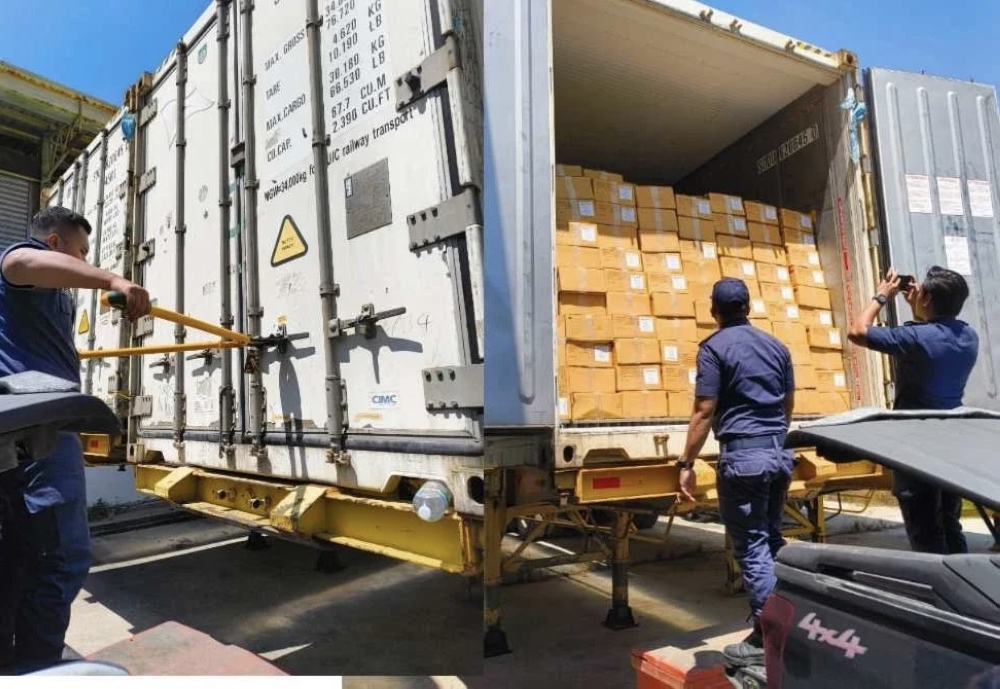
Malaysia's anti-corruption authorities have dismantled a criminal network engaged in the clandestine importation of frozen poultry from China into Sabah, with three individuals detained as part of the crackdown. The Malaysian Anti-Corruption Commission (MACC) conducted the operation, code-named Op Chick, which represents another effort by the agency to address illicit trade patterns affecting the domestic food supply chain.
The arrest of the three suspects marks a significant intervention in what investigators believe was a well-organised smuggling enterprise. Rather than operating as isolated rogue traders, the syndicate apparently functioned as a structured operation with defined roles and distribution networks. The MACC's involvement, alongside the operative name given to the case, underscores the complexity of food import crimes in Malaysia, which often intersect with customs violations, regulatory breaches, and potential corruption of officials tasked with border control.
Sabah's position as a major entry point for goods entering Malaysia from the Asia-Pacific region has made it a persistent vulnerability in enforcement efforts. The state's geographic location and lengthy coastline create logistical challenges for regulatory bodies attempting to monitor all incoming shipments. Frozen chicken and other protein products represent particularly attractive targets for smugglers because of their high market demand domestically and the price differentials between illicit and legal channels.
The discovery of this operation raises immediate questions about food safety standards and consumer protection. Illegally imported poultry products often bypass mandatory health inspections conducted by the Veterinary Services Division and other food safety authorities. Without proper documentation and pathological screening, such products may carry disease risks or contaminants that would disqualify them from the formal supply system. Malaysian consumers purchasing frozen chicken through legitimate retail channels have constitutional protections and regulatory safeguards; those unknowingly purchasing black-market product have none.
China remains a significant source of imported food products into Malaysia, with legitimate trade channels supplying everything from seafood to vegetables. The coexistence of lawful and unlawful imports from the same origin country complicates border enforcement and creates opportunities for criminal networks to obscure contraband within larger legitimate shipments. Distinguishing between properly documented and clandestine consignments requires sophisticated intelligence and inspection capacity that overwhelmed customs authorities often struggle to deploy effectively.
The syndicate's operational model likely involved coordination across multiple jurisdictions and sectors. Smugglers typically cultivate relationships with corrupt officials, arranging for shipments to clear ports without full inspection, or arranging false documentation to misclassify products and avoid duties. The MACC's intervention suggests investigators identified financial irregularities or corruption indicators rather than discovering the operation through routine customs processes alone. This pattern reflects how anti-corruption agencies increasingly focus on food crime as a governance and integrity matter, not merely a trade issue.
The implications of this bust extend beyond the immediate arrests. Domestic poultry producers face chronic pressure from cheaper imports, both legal and illicit. Farmers operating in Malaysia under strict biosecurity protocols and higher labour and input costs struggle to compete against product circumventing regulatory costs. Illegal importation thus distorts market conditions and disadvantages compliance-minded businesses, creating economic incentives for producers themselves to consider illicit channels—a dynamic that perpetuates smuggling cycles.
Regulatory coordination between federal agencies remains crucial but persistently challenging. The Ministry of Domestic Trade and Cost of Living, the Veterinary Services Division, the Royal Malaysian Customs Department, and the MACC must share intelligence and execute joint operations to address food import crime effectively. Sabah's enforcement landscape is further complicated by the state's devolved powers over certain agricultural matters, requiring coordination between federal and state authorities that does not always function seamlessly.
International cooperation adds another layer to enforcement efforts. China's willingness to cooperate on investigative matters affecting Malaysian food security, from identifying illicit export operations to supporting regulatory initiatives, varies based on bilateral relations. Malaysia has sought to strengthen food traceability and authenticity protocols with trading partners, though implementation gaps persist, particularly when transnational smuggling networks can exploit jurisdictional seams.
The MACC's Operation Chick demonstrates that authorities view food import crimes as sufficiently serious to warrant dedicated enforcement attention. However, the persistence of such operations suggests that dismantling individual syndicates alone cannot eliminate underlying incentive structures. Systematic reform—including stronger penalties, enhanced port security, improved inter-agency coordination, and support for domestic producers—would be necessary to meaningfully reduce illicit food trade.
Moving forward, Malaysian policymakers face the familiar tension between facilitating legitimate regional trade and preventing smuggling. Sabah's strategic importance as both a commercial hub and a smuggling vulnerability will likely ensure continued MACC and customs focus. Consumer awareness campaigns emphasizing the risks of purchasing food products lacking proper documentation may also supplement enforcement efforts, creating demand-side pressure against black-market suppliers. The arrests announced represent progress, but sustained commitment to dismantling the structural factors enabling food import crime remains essential for genuine advancement.

