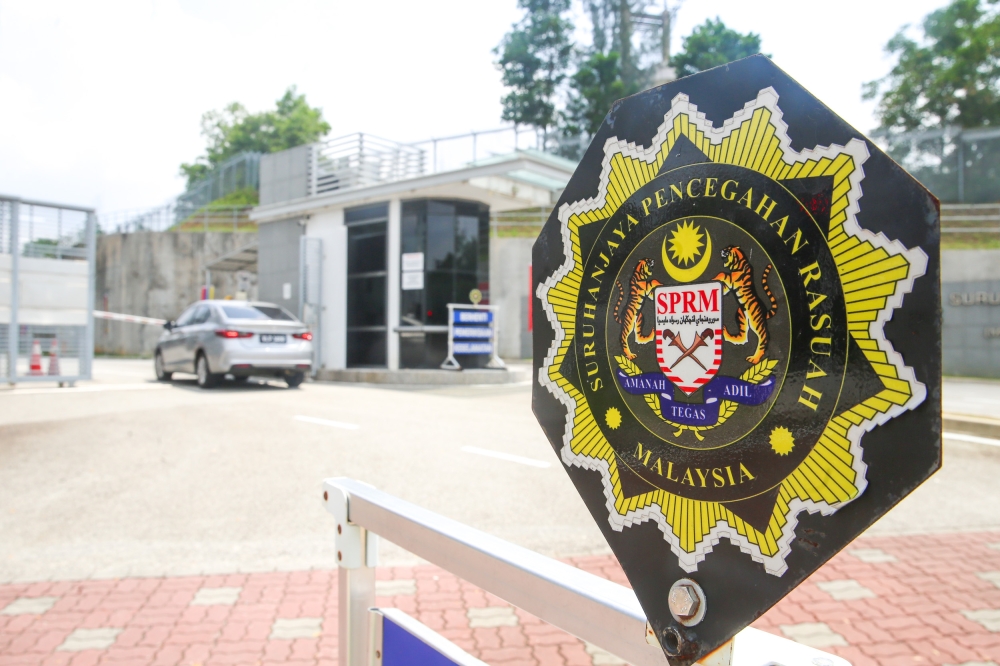
The Malaysian Anti-Corruption Commission (MACC) has secured a five-day remand order for three additional suspects as part of its intensifying investigation into the alleged misappropriation of RM450,000 in penalty payment funds. The development, confirmed in Putrajaya on August 5, signals that authorities are systematically expanding their inquiry into what appears to be a complex financial irregularity involving multiple parties.
The remand extension indicates that MACC investigators require substantial time to conduct thorough interviews, verify financial records, and establish the roles played by each individual in the suspected misuse. The decision by the court to grant the full five-day period suggests that magistrates found sufficient grounds to believe that continued detention would aid the investigation, a significant procedural milestone that typically reflects the gravity with which authorities regard the allegations.
While specific details regarding the suspects' identities and institutional affiliations remain under wraps—a standard practice to protect investigative integrity—the scope of the inquiry has evidently widened since initial arrests were made. This pattern of successive remand orders is characteristic of white-collar crime investigations in Malaysia, where authorities must meticulously trace financial flows and documentary evidence to establish culpability beyond reasonable doubt.
The RM450,000 figure at the centre of this probe represents a substantial sum, particularly when considered in the context of public financial management. The alleged misuse of penalty payments—revenue streams typically collected by government agencies and earmarked for specific purposes or general consolidated funds—touches upon fundamental questions of fiscal integrity and governance accountability. For Malaysian taxpayers, such investigations underscore the importance of robust oversight mechanisms within public institutions.
MACC's determination to pursue multiple suspects reflects the commission's established investigative methodology, which often requires identifying entire chains of involvement rather than focusing narrowly on individual perpetrators. In cases involving institutional settings, investigators must trace authorization pathways, approval processes, and fund disbursements to understand how safeguards may have been circumvented. This multi-pronged approach, while resource-intensive, tends to produce more comprehensive accountability and deter future misconduct through demonstrating institutional vulnerability.
The timing of the remand order and the widening net of suspects suggests that initial interviews may have yielded leads pointing toward additional individuals. In financial crime investigations, early detainees frequently provide information implicating colleagues or supervisors, prompting authorities to bring additional persons into custody. The sequential nature of these remand orders typically indicates a deliberate investigative strategy where each phase of questioning yields new lines of inquiry.
For observers of Malaysian governance and anti-corruption efforts, this case exemplifies both the MACC's continued operational capacity and the persistent challenges of preventing financial misconduct within public administration. The commission's ability to secure remand orders reflects judicial confidence in its investigative capacity, yet the scale of alleged misappropriation underscores how determined actors can still circumvent existing checks. Such cases often catalyse reviews of internal control systems and procedural weaknesses that enable misuse.
The investigation carries implications extending beyond individual accountability. Public institutions under scrutiny typically implement enhanced internal auditing, revised approval hierarchies, and strengthened segregation of financial duties following major misconduct discoveries. If the MACC investigation confirms the allegations, affected agencies may undergo significant structural and procedural reforms to prevent recurrence. Additionally, other government bodies may voluntarily conduct internal audits of similar functions, recognising their own vulnerability to comparable schemes.
Southeast Asia more broadly continues grappling with public sector corruption challenges, making developments in Malaysian anti-corruption enforcement noteworthy to the region. MACC's professional capacity and independence, hard-won through institutional reforms over preceding decades, provide a model that neighbouring countries observe closely. This particular investigation, should it result in successful prosecutions and convictions, would reinforce perceptions of Malaysia's commitment to holding officials accountable regardless of institutional hierarchy.
As the investigation progresses through its five-day remand period, interrogators will likely focus on reconstructing the financial transactions, identifying decision-makers at each stage, and determining whether misconduct was facilitated by system weaknesses or deliberate circumvention of existing controls. Documentary evidence—including payment vouchers, authorisation records, and bank transfers—will prove crucial in establishing the sequence of events and individual responsibilities.
The coming weeks will likely reveal whether the three remanded suspects face charges under the Malaysian Anti-Corruption Commission Act or related statutes governing financial misconduct and misappropriation of public funds. Should the remand period prove insufficient for investigators to complete their work, MACC may seek extensions or recommend that suspects be charged based on evidence gathered thus far. Either outcome will provide additional clarity regarding the investigation's trajectory and the apparent scale of institutional vulnerability that the RM450,000 discrepancy has exposed.

