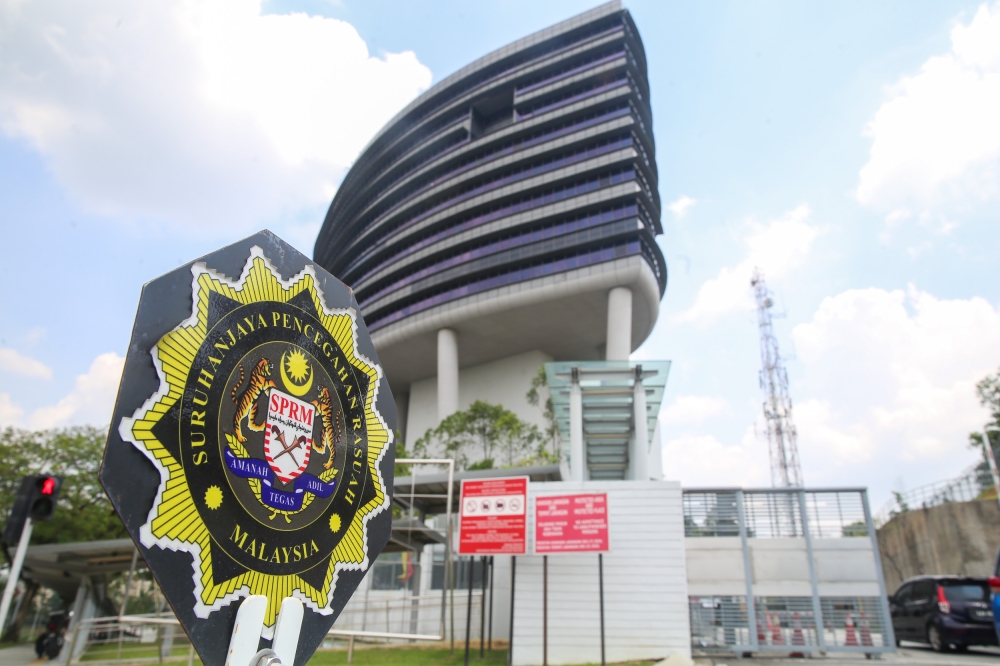
The Malaysian Anti-Corruption Commission has expanded its investigation into a significant security breach affecting the immigration system by detaining five additional officers, intensifying scrutiny of personnel implicated in unauthorised access to the MyIMMs portal. This latest sweep brings the total number of individuals taken into custody in relation to the incident to a higher figure, underscoring the seriousness with which authorities are treating the compromise of a critical government database used for immigration processing.
MyIMMs, the primary digital infrastructure through which Malaysian immigration services process applications and manage citizen records, represents a vital touchpoint in the nation's border security and administrative framework. Unauthorised access to such systems raises profound concerns about data integrity, national security, and the protection of sensitive personal information held by millions of Malaysians and foreign nationals. The involvement of immigration officers themselves in the alleged breach compounds these anxieties, suggesting internal vulnerabilities that may have been exploited through staff knowledge of system architecture and protocols.
The MACC's decision to conduct successive waves of arrests indicates a methodical approach to unravelling the alleged conspiracy, likely following a chain of command or network of individuals implicated through initial interrogations. Each arrest provides investigators with opportunities to secure statements, access devices, and cross-reference timelines of system access against logs maintained by the immigration department. Such coordinated operations typically require substantial preliminary groundwork, including digital forensics and corroborating witness testimony.
For Malaysia's digital governance framework, this incident exposes critical gaps in oversight mechanisms within sensitive government agencies. While government systems worldwide face constant external threats from cybercriminals and hostile state actors, breaches originating from inside an organisation demonstrate that robust technical defences must be complemented by rigorous personnel vetting, access controls, and continuous monitoring of user activities. The fact that immigration staff could allegedly access MyIMMs inappropriately suggests that role-based access restrictions may not have been sufficiently granular or that audit trails monitoring individual transactions were inadequate.
The timing of this investigation reflects broader global trends in detecting insider threats within government institutions. Nations across Southeast Asia have increasingly confronted similar challenges, where employees with legitimate access exploit their positions for personal gain, whether through selling information, facilitating fraud, or enabling third-party breaches. The MACC's proactive response sends a strong signal that such violations will be pursued aggressively regardless of the perpetrators' official status, a message that may deter similar misconduct elsewhere in the civil service.
Regional implications for Malaysia's standing as a reliable custodian of personal data are significant. Foreign governments and international organisations conducting business with Malaysia, particularly those involving citizen data exchange or immigration cooperation agreements, will closely observe how thoroughly this investigation is conducted and what systemic improvements are implemented. The credibility of bilateral immigration arrangements and regional initiatives like the ASEAN framework depends substantially on demonstrated competence in protecting sensitive information.
The investigation also raises questions about the cybersecurity maturity of immigration infrastructure across Southeast Asia more broadly. If Malaysian systems—operated by one of the region's more developed governments—can suffer such breaches, comparable vulnerabilities likely exist elsewhere, prompting regional collaboration on shared best practices. Information-sharing networks among ASEAN security agencies may benefit from lessons learned through this incident, including red flags for detecting insider threats and standardised protocols for access logging and anomaly detection.
From a governance perspective, this situation underscores the necessity for comprehensive digital transformation that extends beyond merely digitising processes. True modernisation requires implementing zero-trust architecture principles, where verification occurs not just during initial system access but continuously throughout user sessions. Multi-factor authentication, biometric verification, and behaviour-based anomaly detection systems can substantially reduce the window of opportunity for unauthorised activities, whether perpetrated by external hackers or insider actors.
The detention of multiple officers also raises human resource management questions within the immigration ministry. Standard vetting procedures, integrity screening, and ongoing performance assessments should theoretically prevent individuals with corruption-prone tendencies from accessing critical systems. If investigation outcomes reveal that these officers had prior disciplinary histories or financial difficulties that went unaddressed, it may prompt the entire civil service to reassess how it identifies and manages personnel risks before they materialise into actual breaches.
Public confidence in government digital services hinges on demonstrated transparency in investigating failures and communicating remedial actions. The MACC's visible commitment to pursuing the matter will be partially offset if citizens perceive inadequate communication about what information may have been compromised, how exposure is being mitigated, and what preventative measures are being deployed. Clear, timely public statements from relevant agencies can help restore trust that breaches are being taken seriously rather than minimised.
Beyond the criminal investigation, this incident necessitates a comprehensive security audit of MyIMMs and related immigration databases. Third-party cybersecurity specialists should be engaged to perform penetration testing, review access logs from the breach period, and recommend architectural modifications that reduce future vulnerability. Such audits, when conducted independently, carry greater credibility with international partners and demonstrate commitment to genuine improvement rather than superficial remediation.
The MACC's ongoing investigation will likely establish the scope of information accessed, the duration of the compromise, and the motivations driving the alleged perpetrators. Whether individuals sought financial gain through selling data, facilitated document fraud schemes, or supported broader criminal enterprises will shape both criminal charges and systemic recommendations. Each scenario carries different implications for how government agencies should recalibrate their approach to digital security and personnel management going forward.

