Malaysia's anti-corruption watchdog has wrapped up a marathon interrogation session with a former financial executive at the centre of an ongoing investigation into suspected misconduct at Lembaga Tabung Haji. The Malaysian Anti-Corruption Commission (MACC) on Wednesday completed recording the statement of the ex-chief financial officer (CFO) following allegations of abuse of authority in connection with the controversial acquisition of plantation company shares valued at approximately RM370 million.
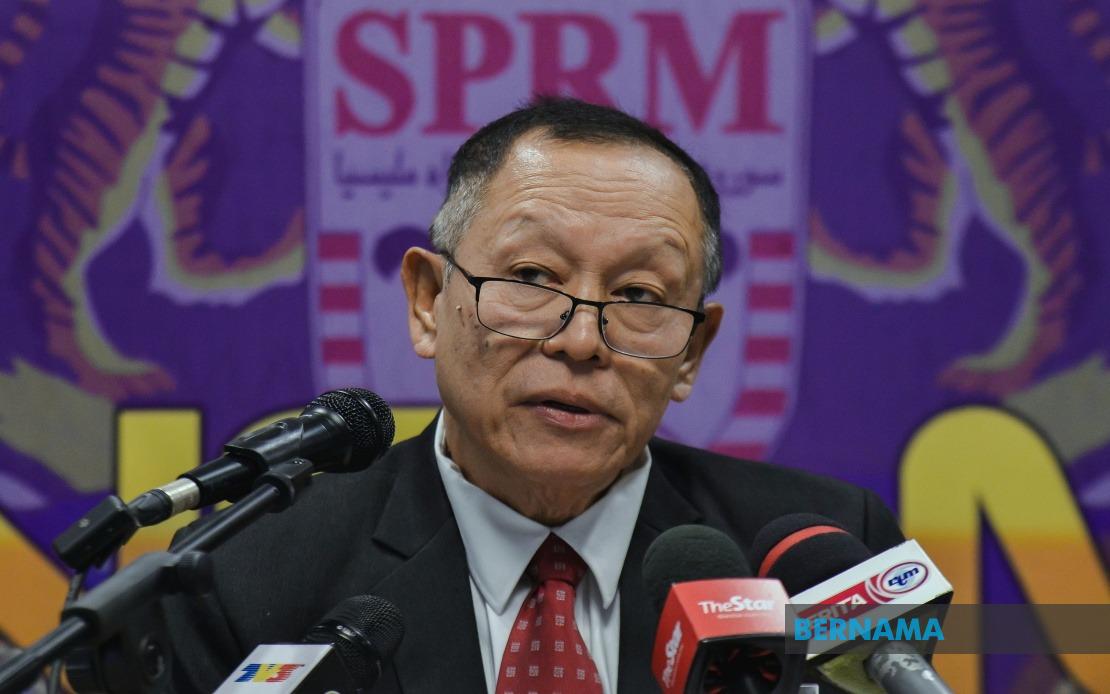
According to MACC chief commissioner Datuk Seri Abd Halim Aman, the questioning stretched across four consecutive working days, with Wednesday's session running from 9 a.m. until 6:30 p.m. This extended interrogation suggests the commission is treating the matter with considerable seriousness, undertaking a methodical examination of complex financial transactions and decision-making processes within the hajj savings institution. The extended timeline indicates the depth of documentation and alleged irregularities requiring clarification.
The investigation stems directly from findings contained in a Royal Commission of Inquiry (RCI) report examining Tabung Haji's governance and financial management. This RCI representation holds particular weight in Malaysia's investigative hierarchy, as such inquiries typically reveal systemic issues requiring follow-up action by law enforcement agencies. The specific focus on the RM370 million share purchase suggests the commissioners identified sufficient concerns to warrant criminal investigation by dedicated anti-corruption authorities.
The 60-year-old former CFO was not merely interviewed voluntarily but was detained at MACC headquarters when both he and the organisation's former chief executive officer came forward to provide statements on Tuesday. While MACC has not elaborated on whether this detention involved formal arrest or cooperative custody, the presence of both senior figures indicates the investigation is examining decisions at the highest operational levels of the institution. This dual focus suggests potential disagreement or conflicting accounts regarding authorisation and approval processes.
The alleged abuse of power centres on how shares in two separate plantation companies came to be acquired by an entity owned by the statutory body. Investigators appear particularly interested in establishing whether proper authorisation channels were followed, whether competitive bidding occurred, and whether the transaction represented fair value for the institution's funds. Such scrutiny is standard when government-linked entities make large capital acquisitions, particularly involving asset classes outside their traditional purview.
Tabung Haji, the formal savings mechanism for Malaysian Muslims performing the annual hajj pilgrimage, has faced mounting scrutiny over recent years regarding its investment strategy and asset allocation decisions. The organisation manages billions in deposits from contributors who save specifically for pilgrimage expenses, making fiduciary responsibility paramount. Any finding of misconduct carries implications not merely for executive accountability but for public trust in how religious endowments and pilgrimage savings are managed.
The RCI's establishment and subsequent report underscore government concern about governance standards within the institution. Royal Commissions are typically convened to examine matters of significant national interest where preliminary investigations suggest systemic failures or individual misconduct requiring high-level examination. That the MACC has now prioritised pursuing the RCI's findings indicates synchronisation between the inquiry process and criminal investigation protocols, suggesting multiple governance layers identified concerns.
For Malaysian readers, this development carries implications extending beyond individual accountability. Tabung Haji's financial health directly affects millions of contributors who depend on institutional stability to safeguard their pilgrimage savings. Any finding that senior management engaged in improper asset acquisition raises fundamental questions about internal controls, board oversight, and whether audit mechanisms functioned effectively. These governance failures, if substantiated, would demand institutional reforms to prevent recurrence.
The MACC's methodical approach, evident in the four-day interrogation schedule, suggests investigators are building a comprehensive factual foundation before proceeding to any charging decisions. The statement-taking process typically involves detailed examination of documentary evidence, transaction authorisation records, board meeting minutes, and personal communications. Investigators likely probed the decision-making rationale, whether alternative investments were considered, and how the transaction received various approval levels within the organisation's hierarchy.
From a regional perspective, governance failures at large Malaysian financial institutions attract scrutiny from international investor communities and development agencies. Perceptions of weak corruption-fighting mechanisms or inadequate institutional oversight can influence market confidence and foreign direct investment flows. The visible MACC action thus sends signals about Malaysia's commitment to investigating high-level financial misconduct, though actual outcomes and penalties will ultimately determine whether the investigation proves consequential or merely procedural.
The investigation's trajectory now depends on what prosecutors conclude from the compiled statements and supporting evidence. MACC may pursue charges against the individuals involved, demand institutional reforms from Tabung Haji's leadership, or recommend criminal prosecution proceed through appropriate courts. The four-day interrogation represents the investigative phase's conclusion, with prosecutorial decisions likely following once statements are analysed and corroborated against documentary records.

