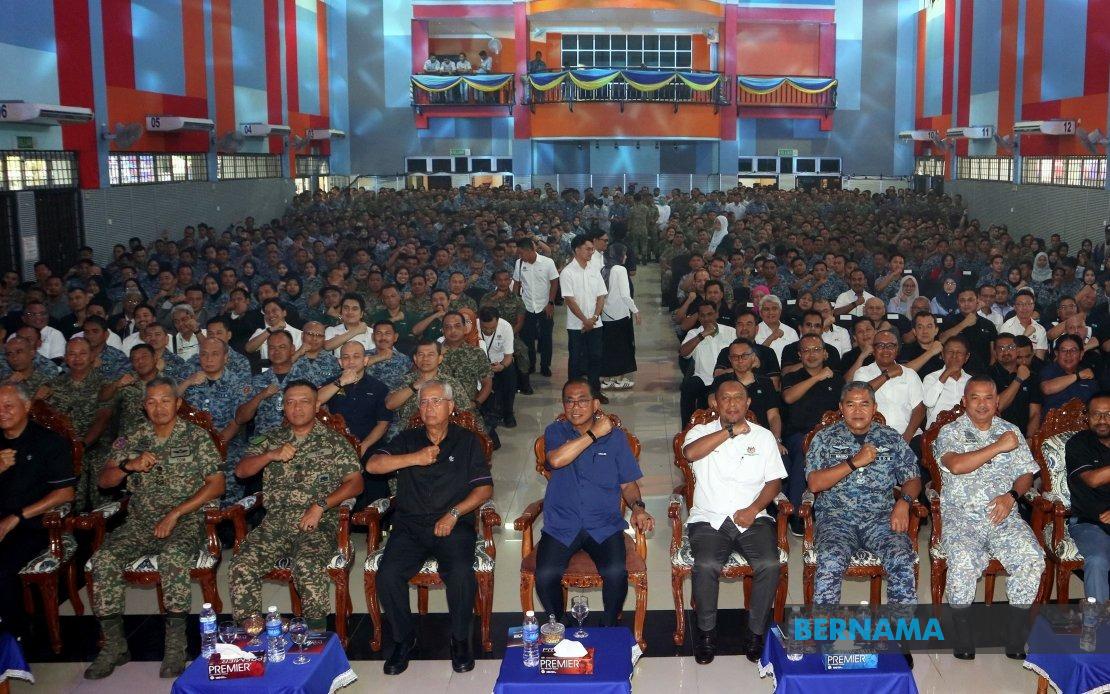
The Armed Forces Fund Board (LTAT) has successfully engaged with 28,500 Malaysian Armed Forces personnel during the rollout of its 'Jelajah Wira' initiative, a comprehensive nationwide tour designed to strengthen connections between the fund's leadership and its contributors. Announced in Kuantan, the programme represents a significant effort to bring LTAT services and support mechanisms directly to military personnel across the country, underscoring the board's commitment to accessible welfare provision for those serving the nation.
Mohammad Ashraf Md Radzi, Chief Executive of LTAT, characterised the tour as a proactive measure to deepen engagement with service members from all ranks who contribute ten per cent of their monthly income to the fund. Speaking to reporters, he outlined that the initiative had been structured in phases to systematically cover all regions, enabling contributors to interact directly with fund management and fostering a two-way dialogue between institutional decision-makers and those on the ground whose financial commitments sustain the scheme. This approach reflects a recognition that welfare provision functions most effectively when beneficiaries understand the mechanisms supporting their long-term financial security.
A centrepiece of the east coast phase involves the launch of the LTAT-Affin Debit Card, positioned as a gesture of acknowledgment for the armed forces' steadfast commitment to national defence and public service. Mohammed Ashraf positioned the card initiative within a broader narrative of recognition, stating that Malaysia's military personnel have demonstrated consistent dedication to the nation and deserve tangible symbols affirming their sacrifices and professional contributions. The debit card serves both practical and symbolic functions, offering financial utility while simultaneously reinforcing institutional appreciation for military service.
The 'Jelajah Wira' tour encompasses multiple strategic locations across Malaysia's east coast and southern regions, reflecting the geographical spread of military installations. Planned engagements include Kem Desa Pahlawan in Kelantan, Kuantan Air Force Base, Kem Seri Pantai housing the 16th Royal Malay Regiment in Terengganu, Kem Sungai Udang in Melaka, KD Sultan Ismail in Johor, and Kem Mahkota Kluang also in Johor. This comprehensive geographical footprint ensures that personnel stationed across the eastern peninsula and southern military installations receive direct engagement from LTAT leadership and access to updated information regarding fund operations and member benefits.
Mohammad Ashraf characterised the initiative as reflecting LTAT's holistic approach to welfare provision that extends beyond individual contributors to encompass their families and broader communities forming the Armed Forces ecosystem. This expanded perspective acknowledges that military service carries implications for household financial planning and community wellbeing, positioning LTAT support as integral to the comprehensive welfare framework surrounding active and former service members. The recognition of family and community dimensions strengthens the rationale for sustained institutional engagement and reinforces the interconnectedness between individual military careers and broader social structures dependent upon defence force stability.
Testimonies from serving personnel highlight the practical appeal of LTAT's savings and dividend scheme to younger military contributors. Airman I Muhammad Syahmi Mohd Shobri, a 23-year-old serviceman, characterised the fund as an excellent long-term savings platform, emphasising the attractiveness of competitive annual dividends that consistently increase year-on-year compared with alternative savings mechanisms available to service members. His assessment reflects how younger military personnel evaluate retirement planning options within constrained income environments, where institutional schemes offering reliable dividend growth present compelling financial instruments for building future security.
Retirement planning considerations particularly underscore the scheme's value for service members contemplating life beyond active duty. Airman I Muhammad Izzuddin Mohd Hanapi, aged 25, described LTAT benefits as especially valuable during the transition to civilian life, noting that accumulated savings combined with ongoing annual dividends provide financial security and facilitate comprehensive future planning beyond the military career. This dimension proves particularly significant for Malaysian armed forces personnel who typically conclude service during their forties and fifties, requiring sustained income sources spanning two decades or more of post-military life.
The engagement tour incorporates incentive elements designed to encourage attendance and reinforce institutional appreciation for contributors. During the east coast phase, lucky draw mechanics distributed prizes including an electric motorcycle, which Royal Malaysian Air Force Air Sergeant Haidil Jafar, a 39-year-old serviceman, received. Such mechanisms serve dual purposes: generating enthusiasm for attendance and creating memorable positive associations with LTAT as an institution genuinely invested in recognising member loyalty and participation.
The tour's leadership composition underscores institutional importance, with attendance from Defence Ministry Secretary-General Datuk Lokman Hakim Ali, LTAT Chairman General Tan Sri Azizan Ariffin, and LTAT Investment Panel Chairman Datuk Khairol Anuar Mohamad Tawi. This high-level representation signals executive-level commitment to direct engagement with service members and validates the initiative's strategic significance within broader defence and welfare policy frameworks. The presence of senior investment panel leadership particularly indicates institutional confidence in the fund's financial management and strategic direction.
For Malaysian and Southeast Asian defence policy observers, the 'Jelajah Wira' initiative reflects broader trends toward enhanced institutional communication with military personnel concerning welfare benefits and retirement security. As regional nations contend with retention challenges and shifting demographic patterns within their armed forces, direct engagement strategies emphasising tangible financial benefits and recognising service contributions become increasingly significant for maintaining personnel commitment throughout extended career trajectories. Malaysia's approach through LTAT demonstrates how financial institutions can align institutional interests with personnel welfare through sustained communication and targeted recognition initiatives.
The nationwide rollout beyond the east coast phase indicates LTAT's intention to embed this engagement model permanently within its operational framework rather than treating the tour as a singular initiative. This strategic commitment to regular, geographically comprehensive engagement suggests institutional recognition that effective welfare provision requires sustained dialogue with beneficiaries, particularly among younger contributors evaluating long-term financial planning options. As Malaysia's defence force continues evolving to address twenty-first-century security challenges, institutional frameworks supporting personnel financial security and retirement planning assume heightened importance for force cohesion and career sustainability.

