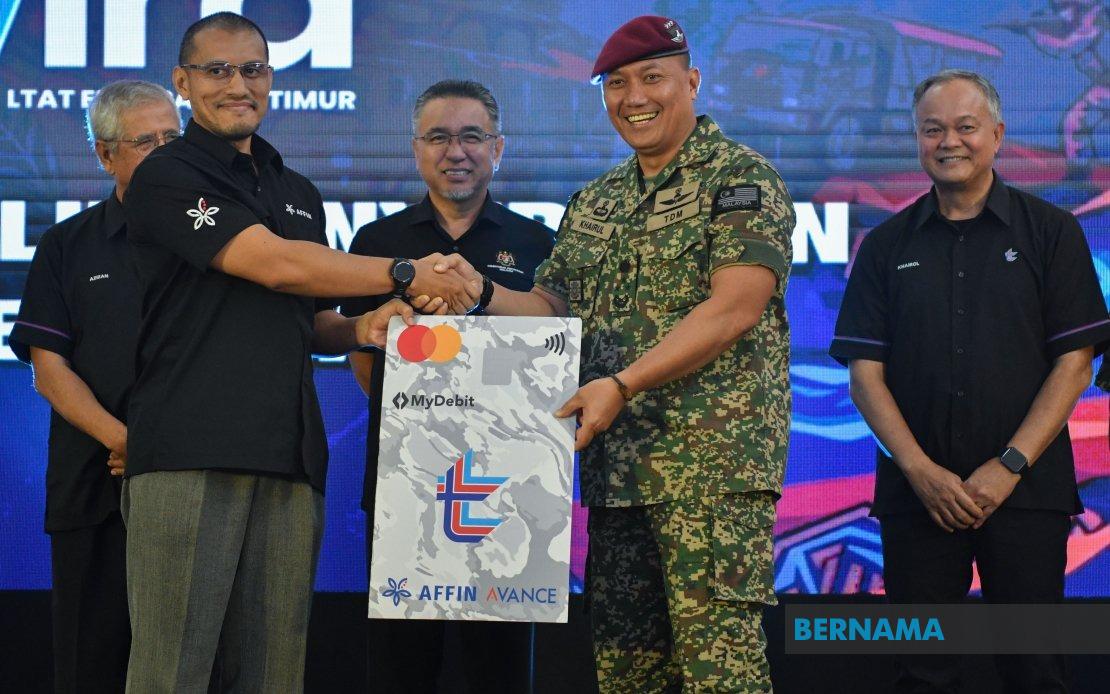
The Armed Forces Fund Board (LTAT) has moved beyond traditional roadshow formats to embrace digital innovation, launching the East Coast Edition of Jelajah Wira LTAT 2026 with an integrated online streaming capability expected to reach more than 10,000 Malaysian Armed Forces personnel across the nation. The initiative was unveiled at Desa Pahlawan Camp in Kota Bharu on July 2 by Deputy Defence Minister Adly Zahari, marking a significant shift in how the organisation engages with its defence community stakeholders.
The hybrid approach represents a strategic recognition that military personnel stationed in dispersed locations across Malaysia require flexible access to services and information. While the roadshow expects to draw over 3,600 personnel through physical attendance at venues including Sri Pantai Camp in Kuala Terengganu and Kuantan Air Base in Pahang, the digital live-streaming component dramatically expands the potential audience reach. This dual-track engagement reflects contemporary realities of military deployment patterns and geographic distribution challenges within Malaysia's defence infrastructure.
LTAT has positioned this expansion within its broader institutional mission to strengthen contributor well-being while supporting national economic frameworks. The initiative aligns with both the MADANI Economy agenda and PuTERA35 aspirations, suggesting that the board views financial literacy and entrepreneurial empowerment among armed forces personnel as integral to wider development goals. By transforming Jelajah Wira into a comprehensive two-way communication platform, LTAT appears to be testing whether digital channels can create more meaningful dialogue between the fund and its beneficiaries compared to conventional roadshow formats.
The roadshow schedule spans the East Coast region strategically, with stops scheduled for July 9 at Sri Pantai Camp in Kuala Terengganu and July 13 at Kuantan Air Base in Pahang, following the initial Kota Bharu launch. This geographic sequencing demonstrates an understanding of transportation logistics and personnel movement patterns in Malaysia's eastern states. The temporal spacing also allows LTAT to gather feedback and adjust programming between sessions, potentially refining the digital experience as the roadshow progresses.
A notable feature is the introduction of the AFFIN LTAT Affiliate Debit Card presentation, which carries implications for financial inclusion within the armed forces community. The simultaneous distribution of smart devices under the 2026 SPM e-Perkasa programme addresses the digital divide affecting military families, particularly children seeking educational advancement through online tuition access. This integrated approach to financial services and educational enablement suggests LTAT recognises that contributor well-being extends beyond immediate cash benefits to encompass family welfare and intergenerational opportunity creation.
The veteran focus embedded within the roadshow demonstrates particular attention to military personnel transitioning from service. The graduation ceremony for the Second Series of the LTAT Wira Entrepreneur Empowerment Programme for the Northern Zone, alongside the launch of a third series targeting East Coast veterans, underscores institutional investment in post-service economic resilience. These programmes address a critical gap in Malaysia's military support ecosystem, where career transition planning and business skills training remain inconsistently available to retiring personnel across different service regions.
The entrepreneurship programme's documented performance provides compelling evidence for the business case behind such initiatives. Participants in the second series recorded an average monthly business income increase of 162 per cent following the structured six-month intervention, suggesting that targeted mentoring combined with financial literacy instruction can yield substantial economic outcomes for military veterans. This data point carries significance for policymakers considering resource allocation toward similar programmes, demonstrating measurable return on institutional investment in veteran empowerment.
The broader Financial Literacy Programme demonstrates institutional persistence and scale. Since its December 2023 introduction, the programme has reached over 68,000 armed forces personnel through continuous briefing sessions across military camps nationwide. This achievement suggests established infrastructure and institutional capacity for the expanded digital initiative, rather than a nascent experiment lacking organisational foundation. The cumulative reach indicates LTAT has successfully embedded financial education into standard military institutional practice across multiple geographical regions and service branches.
For Malaysian defence personnel, these developments carry practical implications around accessible financial services, educational support for dependents, and business transition pathways post-service. The digital expansion particularly benefits personnel stationed remotely or in bases with limited access to physical roadshow venues, reducing geographic disadvantage in accessing information and services. For the broader Southeast Asian context, Malaysia's institutional approach to military personnel financial well-being and entrepreneurial empowerment offers a model worth examining, particularly regarding how armed forces funds can leverage digital platforms to extend social protection mandates beyond serving personnel to encompass their families and post-service communities.
The initiative reflects broader trends toward digitisation of government services and financial inclusion across Southeast Asia, where military institutions historically operated through hierarchical, geographically-dependent structures. By adopting hybrid engagement models, LTAT signals institutional modernisation while maintaining institutional connection to dispersed personnel. The success of this East Coast pilot will likely influence whether similar digital approaches expand to other regions or service components, potentially reshaping how Malaysia's defence establishment delivers welfare and support services across its geographically dispersed personnel base.

