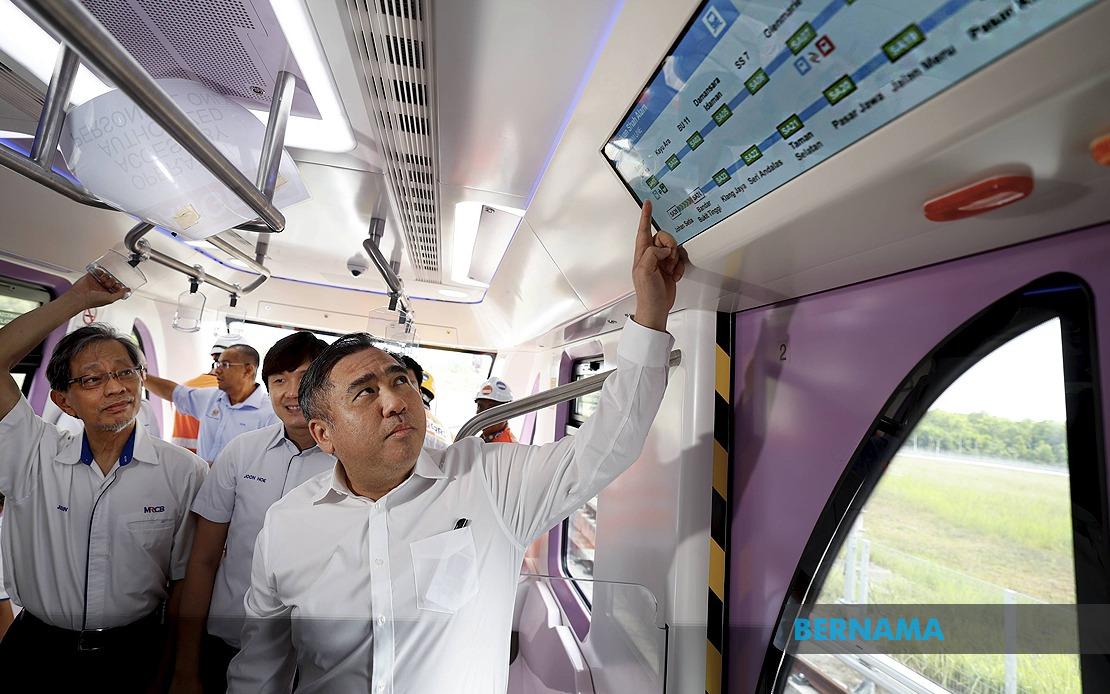
The Light Rail Transit 3 line will begin transporting commuters along the western corridor of the Klang Valley starting Monday, June 29, Transport Minister Anthony Loke announced over the weekend. The 37.8-kilometre rail network, which stretches from Bandar Utama to Johan Setia in Selangor, marks a significant expansion of public transportation infrastructure in one of Malaysia's most densely populated regions. Loke revealed the timeline while opening a new branch of the Road Transport Department at Terminal Bersepadu Selatan, positioning the LRT3 launch as part of broader infrastructure initiatives across the transport sector.
Prime Minister Datuk Seri Anwar Ibrahim will preside over the official inauguration ceremony scheduled for Sunday, the day before regular passenger operations commence. This ceremonial opening underscores the government's emphasis on the project as a cornerstone of its urban mobility agenda. The formal handover from construction to operation represents the culmination of years of development and considerable investment in modernising the Klang Valley's rail network, which continues to struggle with congestion despite decades of expansion efforts.
The LRT3 project addresses a critical infrastructure gap in the western corridor, where rapid residential and commercial growth has consistently outpaced transportation capacity. The line will integrate seamlessly with existing rail networks, potentially relieving pressure on the busy North-South Expressway and reducing commute times for millions of daily travellers. By linking Bandar Utama's established commercial hub with Johan Setia's industrial zone, the service creates new pathways for workers, shoppers, and business-bound commuters across the metropolitan region.
Projections suggest the LRT3 will serve approximately two million residents across its service corridor. These figures reflect population density in surrounding municipalities including Shah Alam itself, which has evolved from a state capital into a sprawling metropolitan area with significant residential and manufacturing sectors. The availability of affordable, reliable public transport could reshape commuting patterns in the region, potentially shifting demand away from private vehicles and reducing overall traffic congestion.
The line traverses key demographic and economic zones that have experienced substantial growth over the past two decades. Residential areas along the route have attracted families seeking affordable housing within reasonable distance of central Kuala Lumpur, while commercial and industrial clusters have developed to serve both local and national markets. The LRT3 will enhance connectivity between these zones, facilitating labour mobility and supporting economic activity across multiple sectors.
For Malaysian urban planners and transport observers, the LRT3 represents progress toward a more integrated metropolitan transit system. The Klang Valley remains heavily dependent on private vehicles, with congestion costs extending to productivity losses and environmental degradation. Each new rail connection theoretically reduces this burden, though success ultimately depends on ridership adoption rates and service reliability during the critical early months of operation.
The timing of the launch carries significance as well. Commencing operations immediately after the ceremonial launch allows the system to begin generating passenger feedback almost immediately, providing data that can inform service adjustments and operational refinements. Initial weeks of operation typically reveal infrastructure issues and passenger flow challenges that planners cannot predict during pre-launch testing phases.
Regional observers note that Malaysia's continued rail network expansion reflects broader Southeast Asian trends toward modernising urban transportation. Countries throughout the region have invested heavily in light rail, mass rapid transit, and elevated rail systems to manage metropolitan growth. The LRT3 positions Malaysia within this regional competition for modern, efficient urban infrastructure, potentially influencing investment and business decisions among multinational corporations evaluating regional headquarters locations.
The Klang Valley economy stands to benefit from improved transportation efficiency. Industrial zones, distribution centres, and manufacturing facilities depend on workforce accessibility; reliable rail transit expands the geographic area from which employers can attract talent. Similarly, retail and service sectors along the corridor gain from improved foot traffic and accessibility for customers from across the expanded service area.
Stakeholders including resident associations, business chambers, and transport advocacy groups have monitored the LRT3 development closely. Questions surrounding integration with other transport modes, fare structures, and frequency of service during peak and off-peak hours remain relevant as operations begin. The coming weeks will reveal whether the system meets capacity expectations and whether commuters embrace the new service at projected volumes.
The LRT3 opening also carries political implications, given the government's emphasis on infrastructure delivery as evidence of effective governance. Transport improvements feature prominently in public satisfaction surveys, making successful launches valuable for administration narratives. Conversely, operational problems during initial months could invite criticism about project management and resource allocation.
Looking forward, the performance of LRT3 during its first months of operation will inform planning for subsequent transit expansions across Malaysia. Ridership patterns, revenue generation, and passenger satisfaction metrics will provide benchmarks against which future projects are evaluated. The line's success or challenges could shape government priorities regarding mass transit investment across other metropolitan areas facing similar congestion pressures.