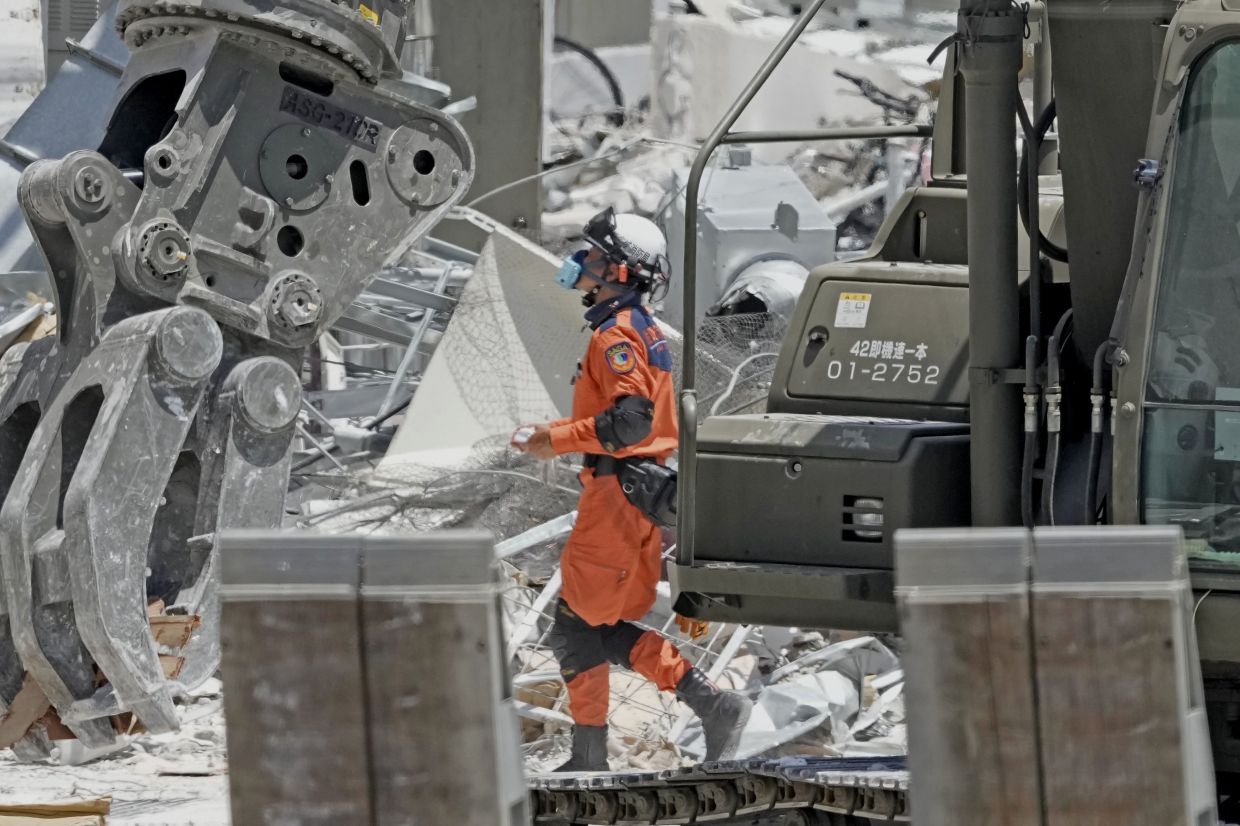
An investigation by Japan's Economy, Trade and Industry Ministry has concluded that a liquefied petroleum gas leak most likely triggered the devastating explosion at Aeon Mall Kumamoto in southwestern Japan on July 28. The blast, which erupted approximately one hour and 20 minutes following a substantial earthquake, proved fatal for three employees working in the shopping centre. Structural damage was concentrated on the second floor's central section along the mall's southern wing, indicating the powerful nature of the detonation.
The explosion occurred at around 5.50pm local time, causing immediate and widespread concern about public safety in the busy commercial district. During the subsequent investigation by Kumamoto prefectural police and fire response teams, personnel detected a distinctive gas odour permeating various sections of the building, prompting officials to suspect LPG involvement. The Economy, Trade and Industry Ministry's preliminary assessment, released on August 5, points toward the gas leak as the principal cause, though investigators have emphasized that their enquiry into the precise origin of the leak remains ongoing.
Aeon Mall Kumamoto's infrastructure relied on liquefied petroleum gas for multiple critical functions across the facility. The mall's restaurant tenants on the first floor's northern section utilised LPG for food preparation, while the second floor's eastern food court similarly depended on the fuel source for cooking operations. Beyond culinary applications, the facility's air conditioning system also ran on LPG, making the gas integral to the mall's daily functioning and climate control.
The mall stores liquefied petroleum gas in a dedicated tank with a capacity of 9,367 kilograms, positioned on the premises. Gas flows from this storage vessel through an underground pipe network, distributing the fuel to various locations throughout the building via an intricate system of pipes embedded within floors and walls. This complex network of distribution channels, while necessary for supplying multiple tenants and systems, created numerous potential vulnerability points where leaks could develop and accumulate undetected.
According to preliminary analysis, the tank's inventory level remained consistent with normal operating standards, suggesting the storage container itself had not been compromised. However, investigators theorize that residual gas trapped within the extensive pipe network running throughout the mall's structure may have gradually accumulated, particularly within confined spaces such as cavity walls or floor voids. Over time, this pooled gas could have reached dangerous concentrations, creating an explosive atmosphere awaiting only an ignition source.
The timing of the explosion relative to the earthquake raises important questions about whether the seismic event contributed to the gas leak's development. While the earthquake struck about 80 minutes before the blast, researchers are examining whether structural movement, pipe stress, or damage to fittings might have initiated the leak that subsequently grew more severe. The relationship between seismic activity and LPG system failures represents a critical safety consideration for Japan's earthquake-prone regions, particularly in commercial buildings housing numerous gas-dependent businesses.
This incident highlights systemic vulnerabilities in Japan's approach to LPG safety management within large commercial establishments. Many shopping malls, restaurants, and food courts continue operating distributed LPG networks without comprehensive real-time monitoring systems that could detect leaks before they reach hazardous levels. Modern facilities in other developed nations increasingly employ sensors throughout pipe networks that trigger automated alerts or shut-off valves when gas concentrations become dangerous, yet such technology remains unevenly deployed across Japan's retail sector.
The investigation underscores the particular risks faced by facilities serving mixed-use functions where multiple independent tenants operate gas-powered equipment simultaneously. When coordination between different business operators, maintenance contractors, and building management breaks down, inspection protocols may become fragmented, leaving critical infrastructure under-monitored. In the case of Aeon Mall Kumamoto, the complexity of managing gas systems across numerous restaurants and commercial facilities likely complicated oversight responsibilities.
For Southeast Asian nations, particularly Malaysia, which hosts numerous Japanese retail operations and increasingly adopts similar mall configurations, this incident carries important implications. Shopping centres throughout the region frequently incorporate food courts and restaurants operating on LPG, often with comparable distribution infrastructures. Regulatory bodies should examine whether their safety standards adequately address the risks posed by extensive LPG pipe networks in multi-tenant environments, and whether building inspectors receive sufficient training to identify potential leak points during routine assessments.
The closure of Aeon Mall Kumamoto following the explosion has created considerable disruption in the local economy and affected employment for thousands of workers across retail, food service, and support functions. Preliminary repair estimates suggest substantial reconstruction costs, though timelines for reopening remain uncertain pending completion of comprehensive structural and mechanical system evaluations. Insurance and legal proceedings will likely occupy stakeholders for extended periods as responsibility for the incident is determined through detailed forensic analysis.
Government authorities in Japan have emphasized that continued investigation will focus on identifying precisely where and how the gas leak originated, whether maintenance records indicated prior warning signs that went unaddressed, and what systemic improvements might prevent similar incidents. The ministry has indicated intentions to review LPG safety protocols across commercial facilities nationwide, potentially leading to revised building codes and equipment installation standards that incorporate enhanced leak detection and containment measures.

