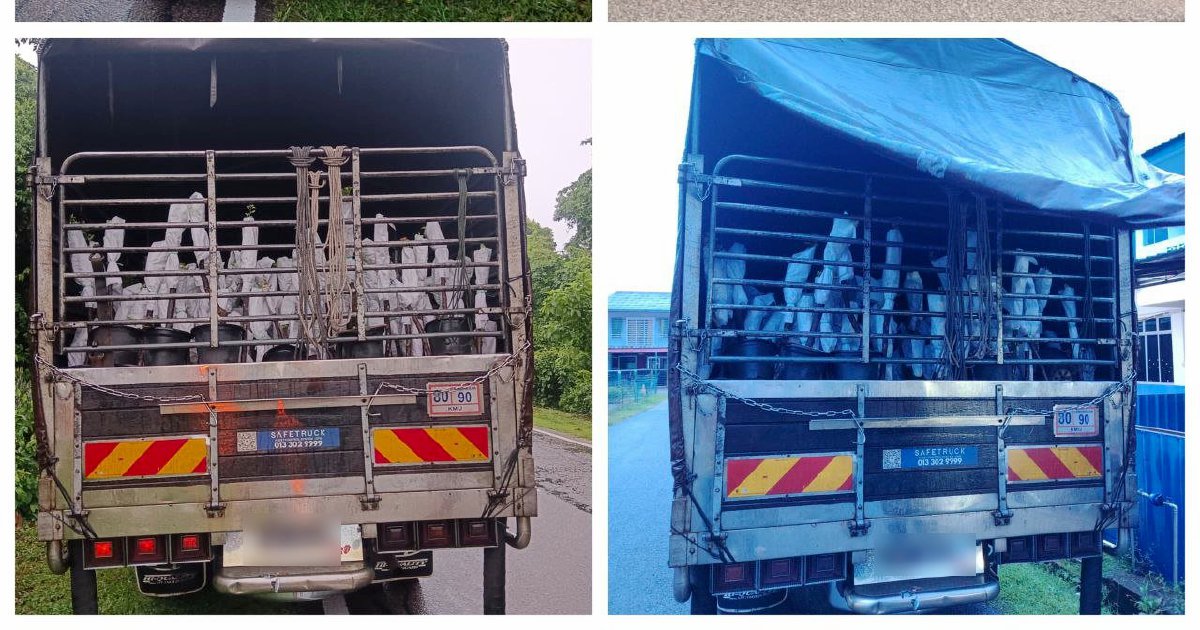
Authorities have apprehended a vehicle operator and his colleague in connection with an illicit shipment of nursery stock at Rantau Panjang, bringing to light the ongoing problem of contraband horticulture goods crossing Malaysia's porous northern frontier. The pair was taken into custody following a border enforcement action that uncovered plant saplings with an estimated market value of RM85,000 that had been clandestinely transported from across the Thai border.
The interception marks another success in the government's efforts to combat cross-border smuggling operations, which have increasingly targeted agricultural commodities including rare and endangered plant species. Such seizures at established crossing points like Rantau Panjang underscore the vulnerability of Malaysia's land boundaries to organized smuggling networks that exploit gaps in monitoring and documentation procedures. The involvement of commercial transport—specifically a lorry typically used for bulk cargo movement—suggests a coordinated operation rather than opportunistic individual trafficking.
Plant smuggling from Thailand has become a persistent challenge for Malaysian customs and agriculture authorities, as demand for ornamental and medicinal plants within domestic and regional markets creates lucrative opportunities for illegal traders. The value of the intercepted saplings indicates these were likely high-demand horticultural varieties, possibly including species subject to export restrictions in Thailand or import regulations in Malaysia. The botanical materials could have been destined for nurseries, landscapers, or private collectors operating within the grey economy.
The arrest of both the driver and attendant signals that enforcement agencies are pursuing cases beyond merely securing contraband, instead targeting the supply chain participants directly. This approach aims to disrupt operational networks by making individual actors accountable, potentially deterring future smuggling attempts through the threat of legal consequences. Malaysian law typically imposes penalties including fines and imprisonment for those convicted of smuggling and transporting contraband goods across international borders.
Rantau Panjang, situated in Kelantan along the Malaysia-Thailand border, has long served as a significant commercial and informal trading hub. Its status as a major crossing point for legitimate trade makes it simultaneously attractive to smugglers seeking to blend illicit shipments within the volume of lawful cargo movement. The location's geographical position and historical role in regional commerce create ongoing challenges for border officials attempting to distinguish between legitimate horticultural imports and smuggled materials without substantially disrupting lawful commerce.
The interception highlights Malaysia's vulnerability to agricultural contraband, a category that extends beyond plant saplings to include seeds, propagating materials, and live specimens of restricted fauna and flora. Regional trafficking networks operating across Southeast Asia frequently exploit the interconnected nature of land borders and the relative ease of transporting small, high-value botanical materials compared to bulkier commodities. Thai suppliers and Malaysian buyers form nodes in smuggling chains that authorities struggle to fully dismantle.
Authorities have intensified focus on agricultural smuggling following international agreements mandating stricter controls on endangered species and invasive plant varieties. The Convention on International Trade in Endangered Species affects numerous ornamental plants, meaning some specimens encountered in smuggling operations may carry dual contraband status under both species protection and horticultural import regulations. This complexity requires coordination between multiple Malaysian agencies including the Forestry Department, Department of Agriculture, and customs services.
The RM85,000 valuation assigned to the seized saplings reflects current retail pricing for mature specimens or particularly sought-after varieties, demonstrating the commercial appeal driving these smuggling operations. For comparison, rare or mature ornamental plants can command premium prices in Malaysia's landscaping and horticultural markets, making even modest smuggling volumes financially attractive to operators willing to accept legal risks. The estimated value also provides authorities with metrics for assessing the scale of undetected smuggling operations likely occurring across borders.
For Malaysian horticultural businesses operating legitimately, smuggling creates unfair competition by allowing unlicensed operators to avoid import duties, biosecurity screening, and regulatory compliance costs. Local nurseries and landscaping companies argue that border enforcement failures effectively subsidize their competitors and undermine market stability. Stronger interdiction efforts therefore serve legitimate industry interests beyond merely protecting national security or environmental protection objectives.
The ongoing challenge of plant smuggling reflects broader vulnerabilities in Malaysia's border management infrastructure and the tension between facilitating legitimate trade and preventing contraband movement. As regional economic integration increases cross-border commerce, enforcement agencies must develop more sophisticated detection methods and intelligence-gathering capabilities to identify high-risk shipments without imposing impractical delays on the broader flow of goods. Success depends on coordinated efforts by multiple agencies, intelligence sharing with Thai counterparts, and sustained commitment to prosecuting those involved in smuggling networks.

