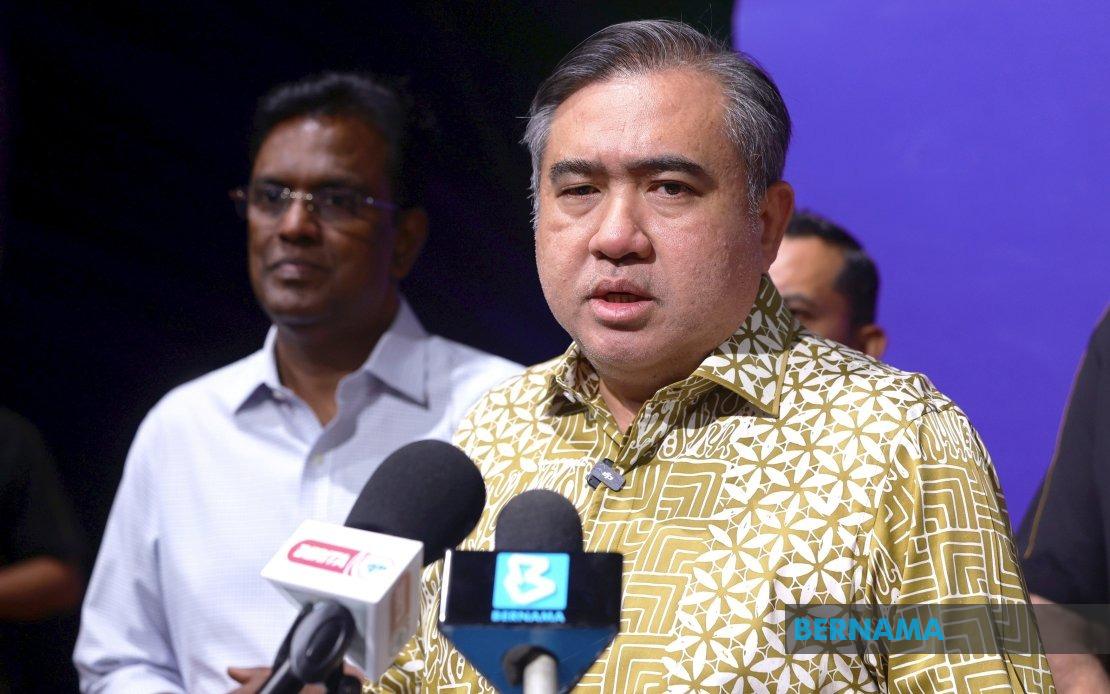
Anthony Loke, the incumbent assemblyman for Chennah and DAP secretary-general, has declared his willingness to contest against any challenger in the forthcoming Negeri Sembilan state election, underlining his confidence in the democratic process and his political standing in the constituency. Speaking in Seremban on July 2, Loke adopted a composed stance toward potential opposition to his candidacy, framing electoral competition as an inherent and healthy feature of democratic governance rather than a threat to his political future.
The Chennah representative emphasised that Malaysia's democratic framework guarantees citizens the fundamental right to participate in electoral contests, and he welcomes such participation from any prospective candidate. His measured response came as local reports suggested that businessman Albert Tei had not entirely dismissed the possibility of standing for the state seat following an approach from a political party. Rather than viewing Tei or any other potential challenger with concern, Loke positioned their interest in contesting as entirely consistent with democratic norms and principles.
However, Loke took the opportunity to remind aspiring candidates of the regulatory requirements governing state assembly contests, emphasising that those seeking to contest must satisfy the Election Commission's prescribed eligibility criteria. Crucially, he highlighted that interested candidates must ensure their registered residential address aligns with the constituency in which they intend to stand, a procedural safeguard that prevents last-minute candidacies from individuals with no genuine connection to the area. This reminder carries practical significance as the election machinery moves into its final phases, with the nomination period imminent.
The Chennah representative's remarks reflect a strategic confidence in his political position. Rather than engaging in public counter-attacks or expressing anxiety about potential rivals, Loke has chosen to direct his energy toward his constituents' welfare and his ongoing responsibilities as their elected representative. This approach suggests an assessment that his performance in office over three consecutive terms provides sufficient grounds for voter confidence in the upcoming contest. By declining to fixate on his opposition and instead emphasising service delivery, Loke has crafted a narrative centred on his track record rather than defensive positioning.
Loke's tenure spanning three election cycles in Chennah indicates considerable electoral durability in what is otherwise a competitive political landscape in Negeri Sembilan. The state has historically been contested territory, with various coalitions rising and falling. His continued election despite changing political dynamics across the state underscores either deep organisational roots in the constituency or successful repositioning of his political message to accommodate shifting voter preferences. The prospect of facing a fresh challenger does not appear to have unsettled his campaign strategy or forced any notable pivot in messaging.
The timing of Loke's statement aligns with an intensifying pre-election period. The Election Commission has scheduled July 18 as nomination day for the Negeri Sembilan state election, with early voting set for July 28 and general polling scheduled for August 1. This compressed timeline means that prospective candidates must formalise their candidacy decisions imminently. Tei's apparent deliberation over whether to contest suggests that such decisions remain fluid among potential challengers, though Loke's philosophical stance toward opposition suggests the DAP machinery is adequately prepared regardless of who eventually emerges as his rival.
The Chennah seat's characteristics and voting patterns will ultimately determine whether Loke's confidence proves justified. Negeri Sembilan, as a state with a mixed demographic and economic base spanning urban and semi-rural areas, presents distinct electoral dynamics compared to Selangor or Penang. The state has experienced shifts in political control, most recently consolidating around Pakatan Harapan-aligned parties. Within this context, Loke's position as DAP secretary-general adds a dimension beyond merely local significance, potentially influencing resource allocation and campaign attention directed toward his constituency.
Loke's comments also carry implications for DAP's broader positioning in the state election. The party's performance in Negeri Sembilan, while solid, remains secondary to larger urban bastions. Should Loke retain his seat comfortably, it would reinforce DAP's capacity to sustain representation in state assemblies beyond its traditional strongholds. Conversely, any unexpected difficulty in securing victory would signal shifting voter sentiment that the broader coalition would need to address in post-election analysis. The seat thus functions as a barometer for DAP's health in the state-level political arena.
Loke's framing of the contest as a democratic exercise open to all comers also serves a broader political message. At a time when questions about democratic health and competitive elections occasionally arise in Malaysian discourse, his explicit welcoming of challengers projects confidence in both his own position and in electoral processes themselves. By declining to disparage potential opponents or express concern about their entry into the race, Loke has modelled a form of political confidence grounded in demonstrated performance rather than institutional closure or dismissal of rivals.
The practical reality facing any challenger to Loke will be considerable. Unseating an incumbent who has won three consecutive elections requires not merely competitive positioning but demonstrated advantage on issues that resonate with voters. Whether those centring on economic development, local infrastructure, community services, or broader political messaging remains to be seen as campaigns formally commence following the nomination period. Tei's potential candidacy would introduce a businessman's perspective into the contest, possibly emphasising economic and commercial considerations, which could appeal to certain segments of the electorate but alienate others depending on his track record and policy proposals.

