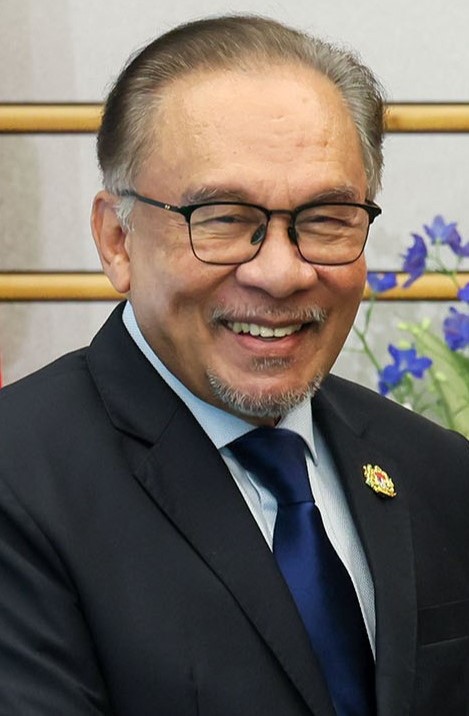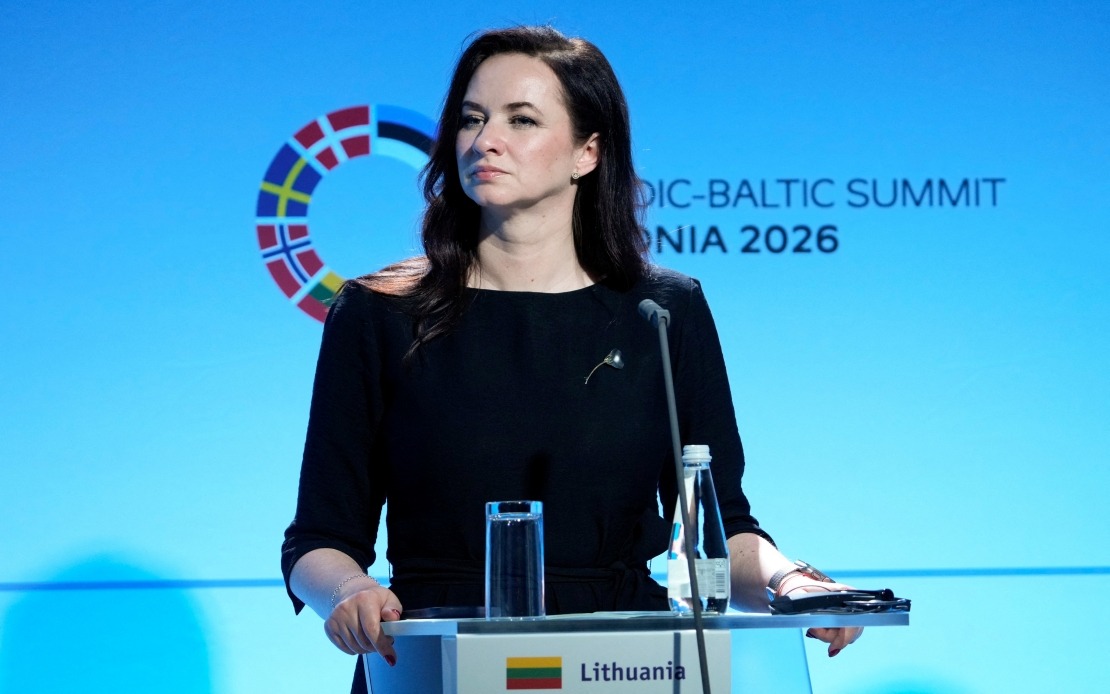
Lithuanian Prime Minister Inga Ruginiene announced the resignation of her government on Tuesday, setting in motion a constitutional process that will reshape the country's political leadership and potentially reconfigure its governing coalition. The resignation follows internal shifts within the ruling alliance and marks a significant transition point in Lithuania's post-election governance, just months after parliamentary elections reshaped the nation's political landscape in late 2024.
President Gitanas Nauseda has accepted the government's formal resignation and requested that the departing Cabinet remain in a caretaker capacity to handle routine administrative functions until a successor administration takes office. This interim arrangement ensures governmental continuity during the transition period, allowing essential services and day-to-day operations to continue without disruption. The outgoing Cabinet held its final substantive meeting on Tuesday, where ministers unanimously endorsed a resolution to step down, underscoring the coordinated nature of the transition.
Under Lithuania's constitutional framework, President Nauseda now faces a 15-day window within which he must nominate a candidate for the office of prime minister. That nominee must then secure the confidence of the Seimas, Lithuania's 141-member unicameral parliament, through a formal confirmation vote. Given the political arithmetic and current coalition dynamics, this procedural hurdle is widely anticipated to be cleared without significant impediment, though parliamentary approval remains a formal prerequisite.
Mindaugas Sinkevicius, who chairs the Lithuanian Social Democratic Party, stands as the leading candidate for the premiership. Political observers and coalition analysts across the region view his nomination as the most likely outcome, reflecting both his position within the dominant party and the coalition's apparent consensus. Should parliament confirm his appointment, Sinkevicius would inherit significant policy responsibilities and coordinate Lithuania's engagement with NATO, the European Union, and regional partners during a period of heightened geopolitical attention.
Once confirmed as prime minister, Sinkevicius would face his own compressed timeline to build a functioning administration. Constitutional provisions grant him 15 days to construct a Cabinet and outline his government's principal policy objectives and legislative priorities. Following this initial phase, an additional 15-day period would be allocated for finalising the complete ministerial lineup and securing parliamentary approval for the full Cabinet roster. This compressed schedule reflects the urgency of establishing effective governance while maintaining Lithuania's international commitments and ongoing policy initiatives.
The formation of this new coalition represents the third governing alliance assembled by the Social Democratic Party since the parliamentary elections that took place in late 2024. This turnover reflects the fluid nature of coalition-building in post-election Lithuania and suggests ongoing negotiations about portfolio distribution and policy direction among coalition partners. The frequency of coalition adjustments within such a relatively brief timeframe indicates potential tensions or recalculations regarding ministerial representation or policy priorities among the governing partners.
Ruginiene's government, which assumed office last August, emerged following the resignation of her predecessor Gintautas Paluckas. Despite the relatively brief tenure, she acknowledged during Tuesday's final Cabinet meeting that the outgoing administration had achieved substantive accomplishments despite navigating considerable operational and political obstacles. Her characterisation of the government's record as something "to be proud of" suggests a defence of its stewardship even as the transition proceeds, attempting to maintain institutional credibility during the handover period.
For Malaysia and other Southeast Asian nations observing Baltic developments, the Lithuanian political transition carries limited direct consequences but offers instructive lessons regarding coalition management in parliamentary systems. Lithuania's experience navigating multiple coalition iterations demonstrates the challenges inherent in balancing diverse political interests while maintaining governmental stability and policy continuity—concerns that resonate with neighbouring democracies and broader regional governance discussions.
The broader European context surrounding this transition remains significant. Lithuania, as both a NATO and European Union member, functions as a critical anchor for Western engagement in the Baltic region and faces substantial geopolitical responsibilities given the proximity to Russian territory and ongoing security considerations. Any government transition in Vilnius therefore carries implications beyond purely domestic political rearrangement, affecting the country's defence posture, EU coordination, and transatlantic relationship management during a period of elevated international tensions.
The Social Democratic Party's continued dominance across multiple government formations suggests its resilience as Lithuania's leading political force, despite the apparent coalition instability. This pattern contrasts with broader European trends of fragmentation and splinter party proliferation, pointing toward underlying social democratic strength in Lithuanian electoral politics and public preference for centre-left governance. The precise shape of Sinkevicius's eventual Cabinet composition will reveal which coalition partners retain or expand their ministerial influence through the transition.