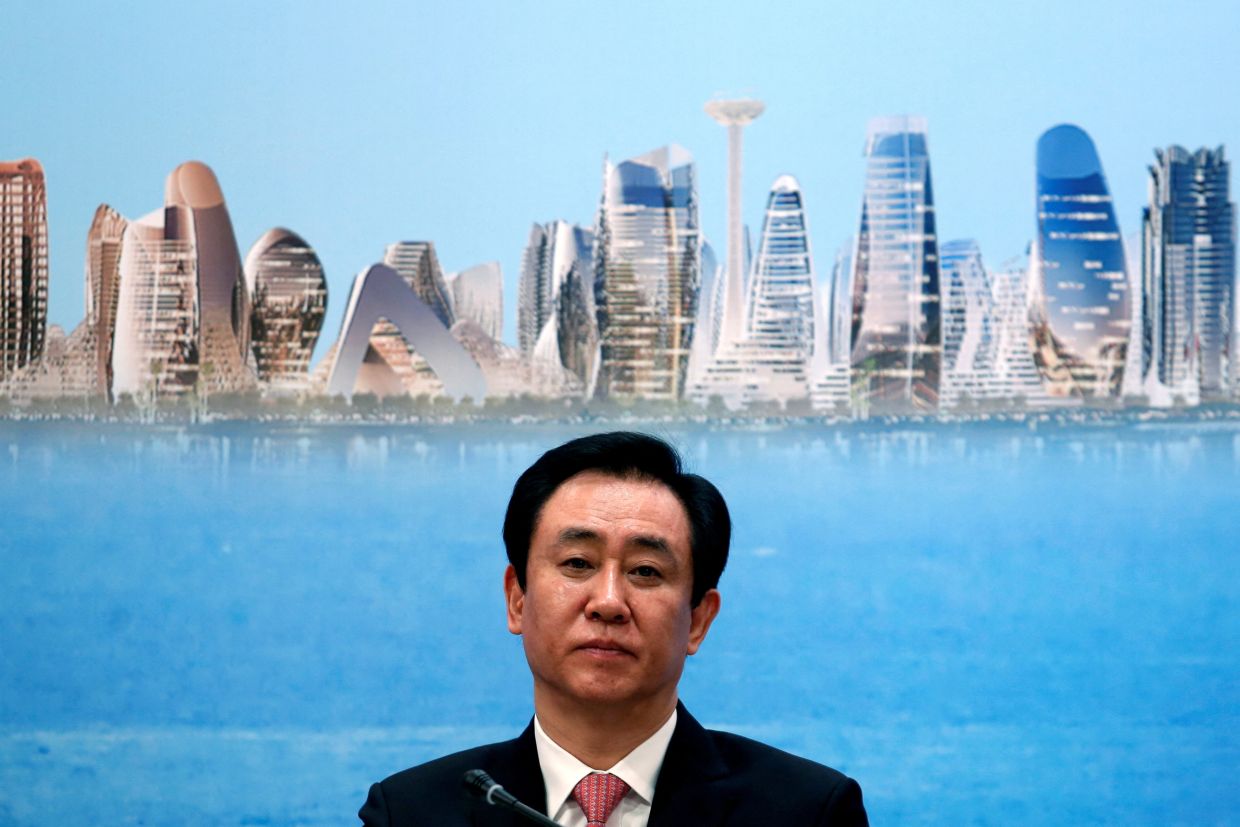
Hui Ka Yan, the founder of China Evergrande Group, has been handed a life prison sentence by a Shenzhen court following his guilty plea to eight separate criminal charges. The former Asia's richest man, who in 2017 boasted a net worth of $45.3 billion according to Forbes, now faces permanent confinement as punishment for orchestrating one of the property sector's most spectacular collapses. The verdict represents a symbolic end to Hui's extraordinary ascent from humble rural origins to commanding one of the world's largest real estate empires, though it offers little practical relief to the millions of investors left financially devastated by the company's implosion.
Hui's conviction encompasses a comprehensive catalogue of financial crimes that expose the mechanisms through which the developer accumulated its mountainous debt burden. The charges include systematic misuse of corporate funds, fraudulent fundraising schemes, unlawful acceptance of public deposits, unauthorised loan extensions, securities fraud, and corruption. When Hui stood in the courthouse flanked by security officers in April, he entered guilty pleas to all counts, effectively acknowledging the extent of financial manipulation that characterised his company's operations. The court's statement emphasised that these criminal acts involved "particularly huge amounts and egregious circumstances," demonstrating that authorities view Hui's offences as extending far beyond individual wrongdoing into institutional malfeasance affecting the entire financial system.
Evergrande's transformation from industry leader to insolvent debtor symbolises the broader structural weaknesses within China's property sector that have persistently weighed on the world's second-largest economy. At its zenith, the developer ranked as China's biggest builder by contracted sales, achieving this position through aggressive debt accumulation that ultimately became unsustainable. The company now carries approximately $300 billion in unpaid liabilities, making it the world's most indebted property developer. This massive debt burden triggered a cascade of defaults beginning in 2021, initiating a process of gradual deterioration that has consumed several years. The ripple effects extended across financial markets globally, as international investors holding Evergrande bonds and equity stakes experienced substantial losses.
Beyond Hui's personal punishment, the judicial response encompassed the broader corporate apparatus he controlled. The Shenzhen court fined Evergrande Group itself 8.82 billion yuan (approximately $1.31 billion) and its principal subsidiary Hengda Real Estate a further 7 billion yuan. Additionally, five senior executives received custodial sentences ranging from six to eighteen years alongside financial penalties. State media reported that altogether fifty-six individuals connected to Evergrande faced sentencing on the same day, demonstrating that prosecutorial action extended throughout the company's management hierarchy. The court also ordered confiscation of all Hui's personal property, leaving him financially destitute beyond his imprisonment.
The human cost of Evergrande's failure has proven particularly acute for ordinary Chinese citizens who invested in the company's wealth-management products. Many retail investors, particularly those on modest incomes, saw their life savings and retirement funds completely eliminated when the company defaulted on redemption obligations. This triggered public protests that authorities recognised threatened broader social stability, prompting more aggressive enforcement action against company leadership. Comments circulating within investor social media groups reveal the deep frustration and anger pervading affected families, with participants questioning why Hui receives imprisonment "protection" while their own financial security lies in ruins. The sentiment that ordinary citizens have disproportionately borne the costs of executive misconduct reflects genuine grievances about wealth concentration and accountability failures.
Hui's trajectory from poverty to extreme wealth provided a compelling rags-to-riches narrative that captivated observers across Asia for decades. Born in rural Henan province and raised by his grandmother after losing his parents, Hui began his career as a steel technician before founding Evergrande in 1996 at age thirty-three. His entrepreneurial vision and willingness to embrace leverage transformed the company into the industry's most aggressive player, generating enormous wealth and prestige. By his mid-fifties, Hui had amassed a fortune that placed him atop Asia's wealth rankings, granting him significant influence across political, business, and cultural circles. This dramatic ascent from provincial obscurity to continental prominence made his subsequent detention and prosecution particularly shocking to observers who had followed his career trajectory.
Hui's detention by Chinese authorities occurred in 2023 following Evergrande's debt default, removing him entirely from public view for extended periods before his formal prosecution. During this enforced absence, the company continued its inexorable decline, with regulatory interventions and attempted restructurings failing to restore investor confidence. His legal representatives could not be reached for comment following the sentencing, leaving questions unanswered about potential appeals or mitigation arguments. The absence of contemporary statements from Hui's defence team suggests either their departure from the case or restrictions on communications during the judicial process. The court's release of photographs depicting the grey-haired, sixty-seven-year-old defendant underscored the physical toll of imprisonment and the stark transformation from his previous public prominence.
The liquidation process initiated following Evergrande's formal insolvency has proceeded at an extraordinarily sluggish pace, generating further frustration among creditors awaiting asset recovery. A Hong Kong court ordered the company's liquidation in 2024, with the Hong Kong Stock Exchange delisting its securities in the same year. Despite these formal insolvency proceedings, liquidators had managed to realise only approximately $255 million in asset sales as of August 2024, a figure trivial against the $45 billion in total creditor claims. This disparity illustrates the challenges in converting Evergrande's vast but illiquid property holdings into cash while navigating complex regulatory environments across multiple jurisdictions. The glacial pace of liquidation proceedings means creditors face years of continued uncertainty before recovering even partial compensation.
Off-shore asset recovery efforts constitute a critical battleground in the broader creditor struggle to recoup losses from Evergrande's collapse. Liquidators have initiated court proceedings in multiple jurisdictions to freeze and sequester assets held by Hui and his former spouse outside mainland China, targeting approximately $6 billion in dividends and executive remuneration distributed to the founder and other senior managers. These funds, allegedly extracted from the company during periods when financial stress was mounting, represent potential recovery sources for international creditors. However, pursuing assets across different legal systems requires navigating complex procedural requirements and enforcement challenges. Success in these efforts would establish important precedent for holding executives accountable for asset stripping in corporate failures affecting international investors.
China's securities regulatory authorities have pursued parallel enforcement actions targeting Evergrande's fraudulent conduct in capital markets. In 2024, the securities regulator imposed a $6.6 million fine against Hui personally and implemented a lifetime ban from securities market participation. Investigations revealed that Evergrande's flagship unit systematically inflated earnings figures in financial disclosures and committed securities fraud through misrepresentation of the company's financial condition to investors. These findings underscore how Hui's deception extended across multiple layers of corporate governance, from internal accounting manipulations to misleading public communications. The lifetime market ban effectively eliminates any prospect of Hui returning to legitimate business activities following potential release from imprisonment.
The implications of Evergrande's catastrophic failure resonate throughout Southeast Asian property markets and financial systems. Malaysian developers, investors, and regulators have observed Hui's trajectory with particular attention, recognising parallels in regional real estate dynamics and leverage patterns. The dramatic sentencing of Asia's former richest man carries implicit warnings about the consequences of excessive debt accumulation and market manipulation. Regional financial authorities have presumably incorporated lessons from Evergrande's collapse into regulatory frameworks governing property development financing and investor protection mechanisms. Malaysian institutional investors who may have held Evergrande securities or wealth-management products have experienced direct losses, creating constituency awareness of corporate governance vulnerabilities in Asian real estate sectors.
Looking forward, Evergrande's ongoing liquidation will continue consuming years before creditors achieve final settlements, if indeed substantial recoveries materialise. The company's massive property portfolio remains largely unsold, with individual projects in various stages of completion or abandonment across Chinese cities. Buyers remain reluctant to engage with Evergrande-developed properties given the brand's negative associations and questions about project completion timelines. This stalled real estate market creates a drag on the broader Chinese property sector recovery that government authorities have struggled to stimulate. Hui's life imprisonment, while symbolically important in demonstrating accountability, changes nothing about the practical challenges of resolving $300 billion in liabilities through asset liquidation in depressed property markets.

