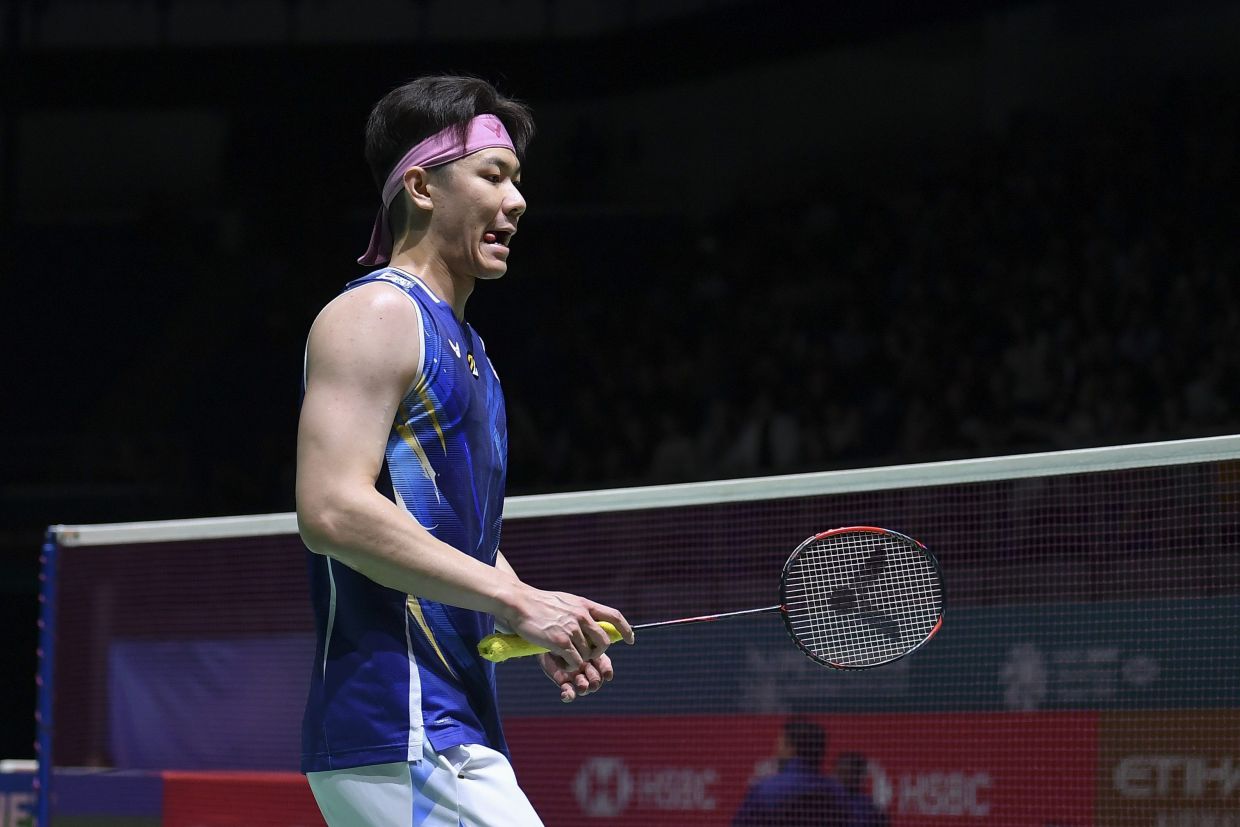
Lee Zii Jia remains steadfast in his commitment to badminton, rejecting any suggestion that he might step away from the sport despite wrestling with one of the most difficult periods of his professional career. The 28-year-old Malaysian shuttler, who captured Olympic bronze in Tokyo, issued a heartfelt message to supporters this week, reaffirming his resolve to continue competing and climbing back to the heights he once reached.
The past year has tested Zii Jia in ways that extend far beyond the confines of the badminton court. The Kedah-born player has grappled with a combination of physical injuries and psychological challenges that collectively pushed him to the brink of despair. Yet in his recent statement, he was unequivocal: quitting has never crossed his mind as a serious option. Instead, he has chosen to view this adversity as temporary and surmountable, a phase in a longer career arc that ultimately depends on his willingness to persevere.
Zii Jia's acknowledgment of his supporters revealed the depths of his emotional struggle. In a poignant social media reflection, he described moments when he could not recognise himself, times when self-doubt consumed his thoughts so thoroughly that he questioned why anyone would continue believing in him. Yet this introspection also marked a turning point. Rather than viewing the unconditional support he received as mere platitude, he reinterpreted it as a profound lesson: worth in sport—and indeed in life—extends beyond winning records and trophy cabinets. The backing he received demonstrated that people valued his effort and character alongside his achievements.
The turning point in Zii Jia's mindset came when he finally broke his silence about the internal struggles he had been harbouring. For months after departing from the national badminton programme in 2022, he had internalised his frustrations, attempting to navigate a fraught landscape of injuries, inconsistent tournament results, and mounting self-doubt without adequate support. The decision to speak openly, to articulate his needs, and to take greater control over his own professional direction marked a crucial moment of empowerment. He recognised that remaining silent was not a virtue but a form of self-sabotage.
Central to Zii Jia's renewed determination is his reassertion of agency. He has publicly stated that continuing his career requires standing firm for his own interests, demanding the freedom to make his own decisions, and creating an environment conducive to his development as an athlete. This language reflects both maturity and a recognition that his earlier struggles were not solely technical or physical but also structural and psychological. Whether outcomes prove successful or disappointing, he has pledged to own the responsibility for those results rather than attributing blame elsewhere.
The shuttler's recent performance at the Canadian Open provided an encouraging sign, albeit modest in scope. Reaching the semi-finals represented his best result in 2024, though his run ended at the hands of Japan's Koki Watanabe. For context, this achievement assumes significance precisely because Zii Jia has been operating in recovery mode rather than peak condition. The ability to advance through multiple rounds despite ongoing rehabilitation from injuries suggests that a pathway back to consistent competitiveness remains feasible.
Looking ahead, Zii Jia's immediate schedule includes the Taiwan Open from July 28 to August 2, followed by the Korean Masters from August 4 to 9. These tournaments will serve as important indicators of whether his renewed mental fortitude translates into tangible improvements in match performance. The gap between declaring intent and executing under pressure is significant; these competitions will test whether his mindset shift has coincided with measurable physical and tactical recovery.
For Malaysian badminton enthusiasts, Zii Jia's situation reflects broader challenges facing elite athletes in the modern era. The pressure to maintain peak performance, the toll of recurring injuries, and the mental health dimensions of elite sport remain under-discussed within Malaysian sporting culture. His willingness to acknowledge these struggles publicly potentially normalises conversations that many athletes struggle with in silence. His refusal to surrender, coupled with his honesty about the journey's difficulty, offers a more nuanced narrative than the typical triumphalist sports story.
The broader significance of Zii Jia's commitment extends to Malaysia's badminton programme. As the country seeks to reclaim its historic dominance in the sport, having players willing to fight through adversity rather than exit prematurely remains crucial. His determination to rebuild himself independently, while no longer competing within the national system, demonstrates that Malaysia's badminton talent extends beyond institutional structures—though questions about how the national programme could better support athletes like Zii Jia remain relevant.
Zii Jia's message ultimately resonates because it refuses both defeatism and false optimism. He has not promised a triumphant return or imminent tournament victories. Instead, he has committed to a lengthy, uncertain process of reconstruction, acknowledging that setbacks may still arrive while maintaining that such setbacks will not derail his fundamental commitment. In a sporting landscape often dominated by success narratives, his emphasis on effort and continuity regardless of outcome carries its own quiet power, one that extends beyond badminton to speak to resilience as a universal value.

