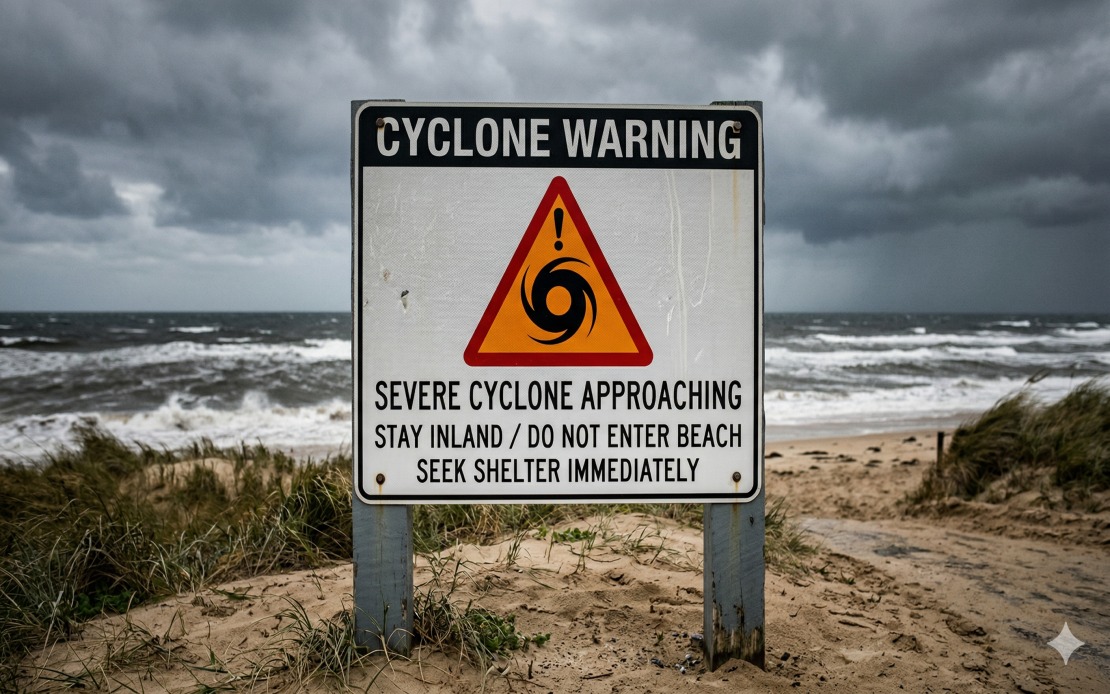
Latvia activated its most severe weather warning on Friday as forecasters predicted an unusually powerful cyclone would deliver heavy downpours and destructive winds across much of the country over the coming weekend. The Latvian Environment, Geology and Meteorology Centre declared a red-level alert specifically for central areas of the Baltic state, with particular concern for the densely populated zones surrounding Riga and Jelgava, where infrastructure and residential areas face heightened risk from the approaching storm system.
The elevated alert status takes effect from 8 am on Saturday and is expected to remain in force until 1 am on Sunday, though meteorological officials cautioned that the precise geographic scope of the warning could shift as updated forecasts become available. This flexibility in the alert zone reflects the inherent unpredictability of weather patterns, especially those associated with major cyclonic systems that can change trajectory or intensity relatively rapidly. The authorities responsible for public safety stressed the importance of residents remaining attentive to official updates throughout the warning period.
Experts project that the combination of torrential rainfall and forceful winds could trigger extensive inundation across multiple landscape features and human infrastructure. Residential properties stand vulnerable to water intrusion and potential structural damage, while roads and agricultural land face the prospect of becoming submerged or severely compromised. Some transportation routes may become entirely impassable, effectively cutting off access to affected communities and disrupting the movement of essential supplies and emergency services. Farmland across the region could suffer significant crop losses and soil erosion damage that will take months to remediate.
Beyond the immediate flood hazard, the cyclone threatens to knock out critical services that modern societies depend upon. Power distribution networks face substantial risk as the violent winds could topple trees and snap utility lines, potentially leaving thousands without electricity for extended periods. Water treatment and supply systems could similarly suffer disruption due to either infrastructure damage or power failures affecting pumping stations. Telecommunications infrastructure, increasingly vital for emergency coordination and public communication, may also be compromised, hampering the ability of authorities to coordinate response efforts or warn residents of developing dangers.
Latvia's State Fire and Rescue Service has issued explicit guidance to the general population, advising citizens to minimise outdoor activities during the warning window and to take preventive measures ahead of potential utility failures. The service recommended that residents secure or store away any objects that could become projectiles in high winds, including garden furniture, loose roofing materials, and outdoor equipment. Additionally, households are being urged to charge all portable electronic devices, including mobile phones, to ensure they retain communication capability if power grid failures occur.
The storm's severity has already prompted significant disruption across Latvian society. Event organisers throughout the country have made the difficult decision to cancel outdoor gatherings and activities scheduled for the weekend, prioritising public safety over entertainment and commercial considerations. This preventive cancellation approach demonstrates how seriously authorities and organisers are treating the meteorological threat, recognising that attempting to proceed with large outdoor gatherings during such conditions could expose significant numbers of people to injury or worse.
Estonia, Latvia's northern neighbour, faces similarly serious weather threats from the same cyclonic system. The Estonian Environment Agency has issued its own warnings regarding heavy precipitation and powerful winds sweeping across the country over the weekend period. This cross-border impact underscores the regional nature of the weather phenomenon and reflects how Baltic weather systems typically affect the entire subregion simultaneously.
Estonian infrastructure operators are likewise preparing for disruption. Elektrilevi, the major electricity distribution company serving much of Estonia, has specifically cautioned that the storm's wind-driven damage to trees and branches will likely result in power outages across its service territory. The company has presumably mobilised additional repair crews and resources to respond quickly to storm-related damage and restore service as rapidly as possible once conditions permit.
For Malaysia and Southeast Asia, while cyclones of this magnitude are less common in tropical regions, the preparedness frameworks being deployed in Latvia offer valuable lessons. The tiered alert system, emphasis on advance public communication, specific safety guidance, and coordination between multiple agencies represent best practices applicable across different climatic contexts. Southeast Asian nations regularly face typhoons and heavy monsoon rains, making the operational response strategies employed by Baltic authorities potentially instructive for regional disaster management protocols and public safety communication during severe weather events.

