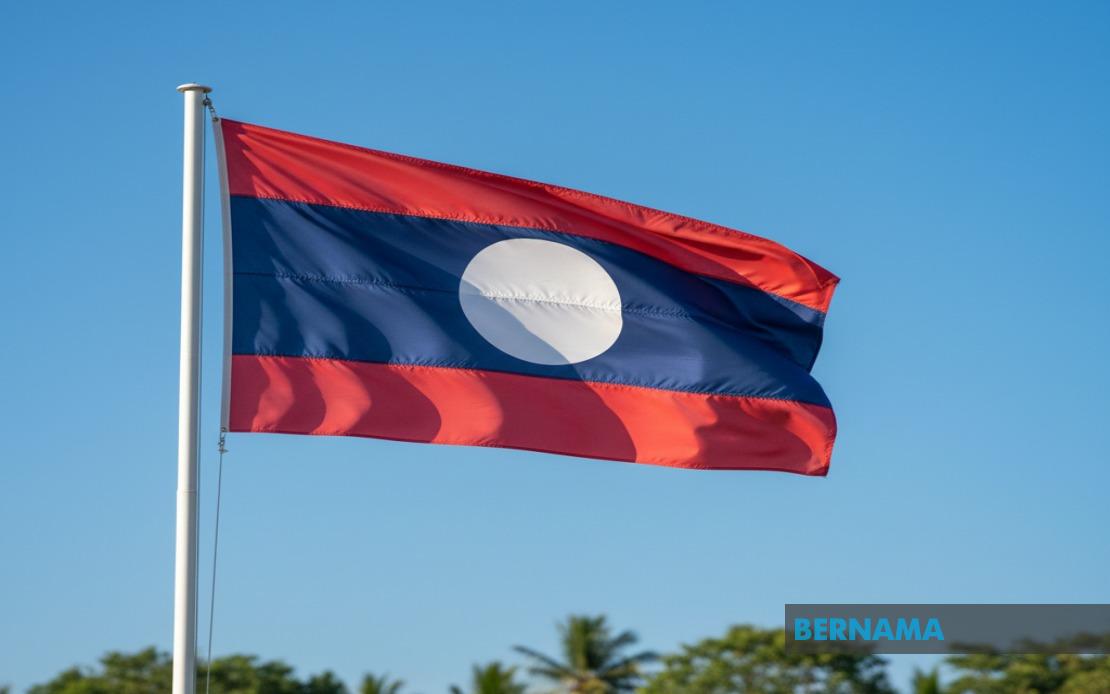
The Lao government has charted an ambitious course to transform its media landscape by adopting a comprehensive modernisation roadmap at the country's inaugural National Media Congress held in Vientiane from July 14 to 16. The three-day gathering, convened under the theme "Strengthening Party Leadership and Developing the Media Toward a New Level of Quality," represents a significant milestone in efforts to elevate the standards and influence of journalism across the Southeast Asian nation.
The congress brought together a diverse assembly of senior government officials, media proprietors, newspaper editors, practising journalists, and communications specialists from throughout Laos. Their collective task was to assess the current state of the media landscape, identify structural and professional obstacles, and chart strategic directions for the industry's evolution. Khamphan Pheuyavong, who heads the Commission for Information and Education, presented the concluding summary report, confirming that the meeting had successfully reviewed accomplishments from previous years while simultaneously laying out specific measures to strengthen journalistic quality and institutional effectiveness moving forward.
President Thongloun Sisoulith's keynote remarks at the closing ceremony demonstrated the government's commitment to media development by outlining five interconnected priorities. These pillars form the foundation of Laos' vision for a modernised media ecosystem that can serve national development objectives while maintaining professional standards. The president's framework acknowledges both the instrumental role media plays in governance and communication, as well as the sector's responsibility to uphold public trust and ethical standards.
The first priority emphasises fostering unity and coordination among competing media organisations. Rather than viewing the media landscape as purely competitive, the government's approach stresses collaboration, shared learning, and mutual understanding. This strategy recognises that media professionals must develop sophisticated capabilities to navigate an increasingly complex information environment where distinguishing between legitimate criticism and malicious disinformation has become essential. The emphasis on cooperation suggests recognition that Laos' media sector faces common challenges requiring collective responses.
Cultural preservation constitutes the second pillar, reflecting broader Southeast Asian concerns about maintaining national values amid globalisation and rapid technological change. The government has called upon journalists to uphold traditional virtues including humility, generosity, and interpersonal respect while actively resisting the infiltration of vulgarity, dishonesty, and self-serving conduct into news reporting and public discourse. This cultural dimension reveals how media modernisation in Laos is framed not merely as technical upgrading but as reinforcing values deemed integral to national identity and social cohesion.
The third priority directly addresses truth and justice through responsible journalism. President Sisoulith stressed that media professionals bear responsibility for defending factual accuracy, resisting the spread of misinformation, and safeguarding the public confidence that underpins healthy media-society relationships. This emphasis reflects growing concern across Southeast Asia about the proliferation of false information through digital channels and social media platforms, which can undermine democratic processes and public health outcomes.
Strenthening institutional support constitutes the fourth element, with the government pledging to enhance its guidance, funding, and technical assistance to media organisations. This commitment acknowledges that modernisation requires not only professional effort from journalists themselves but also constructive engagement from government agencies. By positioning itself as a facilitator rather than solely a regulator, the government framework suggests a collaborative model where state institutions and media work toward mutually reinforcing objectives.
The final priority emphasises continuous professional development and skills enhancement among journalists. The government has called for embracing innovation and technological adaptation while improving fundamental reporting capabilities. This recognition that journalism must evolve to remain relevant in an increasingly digital landscape indicates awareness that Laos' media professionals require ongoing training, access to modern tools, and exposure to international best practices in order to produce content matching regional and global standards.
The inaugural National Media Congress signals a strategic pivot in how Laos approaches media governance. Rather than relying solely on regulatory oversight, the government is attempting to align media development with national modernisation objectives through inclusive dialogue and collaborative planning. This approach carries implications for the broader Southeast Asian region, where multiple governments are seeking ways to strengthen domestic media capabilities while maintaining political and social stability.
For Malaysian observers, Laos' media modernisation agenda offers instructive lessons about balancing professional development with state guidance. The emphasis on cultural values and truth-seeking resonates with discussions across Southeast Asia about media's role in preserving social cohesion during periods of rapid change. Additionally, the focus on combating misinformation addresses challenges confronting all nations in the region as digital communications reshape information flows.
The roadmap's success will depend substantially on implementation capacity and resources allocated to training and infrastructure development. The Lao government's willingness to convene media professionals for strategic dialogue demonstrates recognition that sustained modernisation requires consensus-building and stakeholder engagement. As Laos advances this agenda, the evolution of its media sector will provide important data points for policymakers across Southeast Asia grappling with similar imperatives to strengthen journalism while maintaining social and political stability in an increasingly digitalised information environment.

