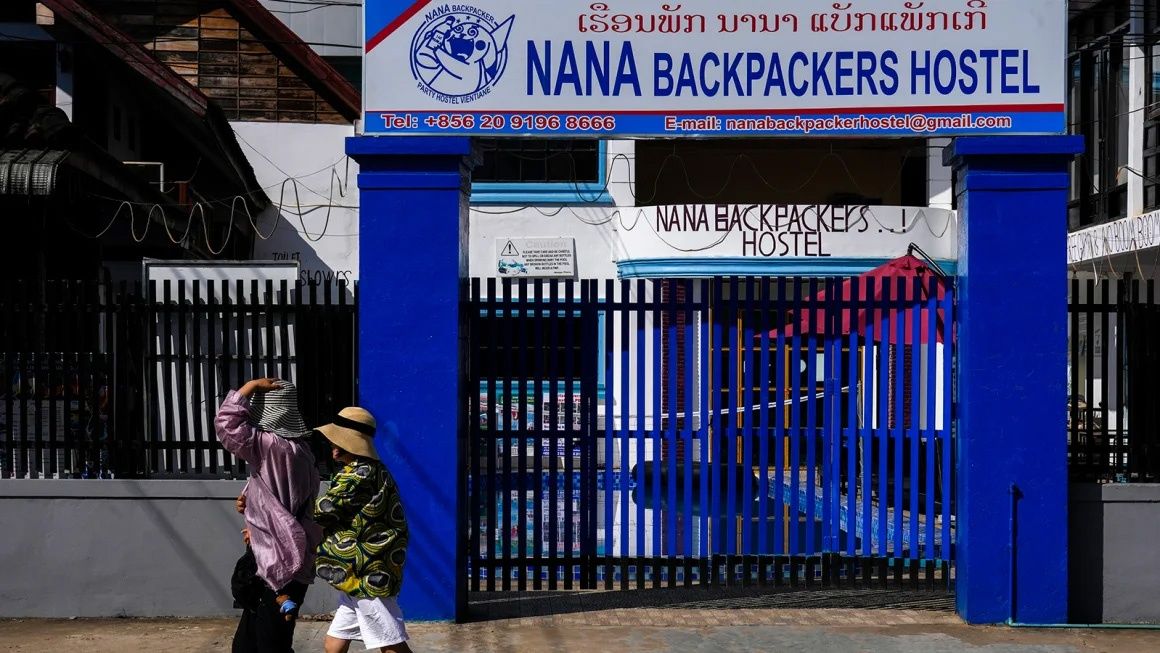
Laotian authorities have formally charged a distillery operator in connection with a November 2024 methanol poisoning incident that claimed the lives of six foreign tourists at a backpacker hostel in Vang Vieng. According to Denmark's foreign ministry, the charges filed relate to selling food harmful to health and operating an illegal business—offences carrying potential penalties of three months to four years imprisonment plus fines upon conviction. The development has sparked sharp criticism from the governments and families of the deceased, who view the charges as inadequately reflecting the severity and circumstances of the tragedy.
The six victims included Danish nationals Anne-Sofie Orkild Coyman, 20, and Freja Vennervald Sorensen, 21; Australian teenagers Bianca Jones and Holly Morton-Bowles, both 19; British lawyer Simone White, 28; and American James Louis Hutson, 57. The tourists had consumed contaminated alcohol distributed at the Nana Backpacker Hostel, where complimentary shots of Laotian vodka were allegedly offered to guests. When the Australian teenagers failed to return to their accommodation as expected, hostel staff discovered them in their room showing signs of severe illness. They were subsequently transported across the border to Thai hospitals, where they ultimately died from the effects of methanol toxicity.
Danish Foreign Minister Lars Løkke Rasmussen issued a statement Friday expressing profound disappointment that the indictment failed to adequately capture the gravity and scope of the tragedy affecting multiple families across several nations. While acknowledging the legal complexities involved in establishing the evidentiary threshold required for more serious charges such as negligent homicide, Rasmussen emphasised the difficulty of accepting such a lenient prosecution outcome. The ministry confirmed that the case will remain formally open for 15 years, preserving the possibility of elevating charges to more serious offences should sufficient evidence emerge.
Australian authorities responded with their own sharp condemnation. Foreign Minister Penny Wong declared herself deeply frustrated and bitterly disappointed by the decision not to pursue the most serious available charges. Prime Minister Anthony Albanese dispatched a special envoy to Vientiane on Friday to formally communicate Australia's objections and to insist upon an investigation that genuinely delivers justice for the victims. The Australian government also summoned Laos' ambassador to Canberra for consultations, underscoring the diplomatic weight Canberra is now placing on the matter. The British government similarly sent diplomatic vehicles to the announcement location in Vientiane, signalling official concern over the case.
The families of the deceased have emerged as forceful advocates for more serious accountability. Bianca Jones' mother, Michelle, articulated the anguish felt by those bereaved, stating that the charges send the message that the young victims' lives held little value. She described the outcome as devastating, noting that the teenagers had simply been engaging in typical youthful travel experiences when they were unknowingly exposed to lethal contamination. Shaun Bowles, father of Holly Morton-Bowles, warned that the inadequate legal response could deter future visitors to Laos, as potential tourists now understand how little protection authorities provide and how seriously the government values the safety of international visitors.
Parents of the Danish victims have particularly highlighted troubling gaps in the investigation process. They reported having been kept largely uninformed since their daughter's death, with no autopsy performed and a death certificate listing cardiac arrest as a natural cause rather than acknowledging methanol poisoning. This administrative categorisation obscured rather than clarified the circumstances of death. The parents subsequently worked to raise awareness about methanol poisoning risks, a danger they had never previously encountered or anticipated could threaten their daughter during her travels.
Methanol poisoning presents an ongoing public health challenge across the developing world, affecting both international visitors and local populations. According to data compiled by Doctors Without Borders, Indonesia, India, and Russia report the highest incidence of suspected cases globally. The substance is sometimes deliberately added to mixed drinks at unregulated establishments as a cost-cutting measure to replace more expensive ethanol. Methanol also emerges naturally as a byproduct of poorly executed home-brew distillation processes, and can inadvertently contaminate commercially distributed alcohol in regions with weak regulatory oversight. The resulting poisoning can cause severe organ damage or death, with victims experiencing neurological and gastrointestinal symptoms that may manifest rapidly.
Vang Vieng has developed a reputation as Southeast Asia's premier backpacker destination, attracting young travellers worldwide seeking adventure sports, nightlife, and budget accommodation. The town's popularity among international tourists, particularly Australians and other Western nationals, makes it a crucial node in the region's tourism economy. However, the incident has exposed significant risks inherent in this rapid tourism development, particularly where local regulatory capacity and enforcement mechanisms remain underdeveloped. The treatment of this case will likely influence perceptions of safety among younger travellers considering Southeast Asian destinations.
Laos, as a landlocked nation and among Southeast Asia's least developed economies, operates as an authoritarian one-party communist state with restricted information control. The government's management of the investigation and prosecution has been notably opaque, with the foreign ministry initially declining AP's request to observe proceedings and limiting the official news conference exclusively to local media and embassies involved. This closed approach has fuelled speculation about political considerations or diplomatic pressure, though the ministry has not elaborated on its reasoning. The contrast between the international outcry and Laos' apparent reluctance to escalate charges suggests potential tensions between domestic governance constraints and external pressure from higher-income nations whose citizens were affected.
The diplomatic ramifications of this case extend across Southeast Asia, signalling how accountability mechanisms operate when foreign nationals die in the region. The coordinated response from Denmark, Australia, and Britain demonstrates that Western governments remain actively engaged in cases affecting their citizens, even in countries with limited institutional resources or democratic governance structures. For Southeast Asian nations positioned as tourist destinations, the incident underscores pressure to balance economic interests in maintaining international visitor flows against external expectations for rigorous legal accountability when harm occurs. The coming months will reveal whether Laos moves toward more serious charges or whether the current prosecutorial approach remains unchanged, with significant implications for regional tourism policy and diplomatic relations.

