The anticipated arrival of a dedicated government-operated sea ambulance service in Langkawi marks a significant turning point for emergency medical care on the island, with residents expressing cautious optimism about the venture beginning operations in early 2025. Announced with RM5.5 million in allocation from the Ministry of Finance to cover both vessel acquisition and initial operational expenses, the initiative represents a direct response to years of advocacy from the island community over inadequate emergency transport infrastructure.
The absence of a properly equipped maritime ambulance has long created a precarious situation for Langkawi's approximately 100,000 residents and the millions of tourists who visit annually. Under the current system, patients requiring urgent care beyond local capabilities must either navigate ferry services designed for general passenger transport or depend on civilian initiatives that operate without formal government oversight or standardised protocols. This patchwork approach has proved particularly problematic during nocturnal emergencies when ferry operations cease entirely, leaving critically ill or injured individuals without viable transport options to facilities on Peninsular Malaysia.
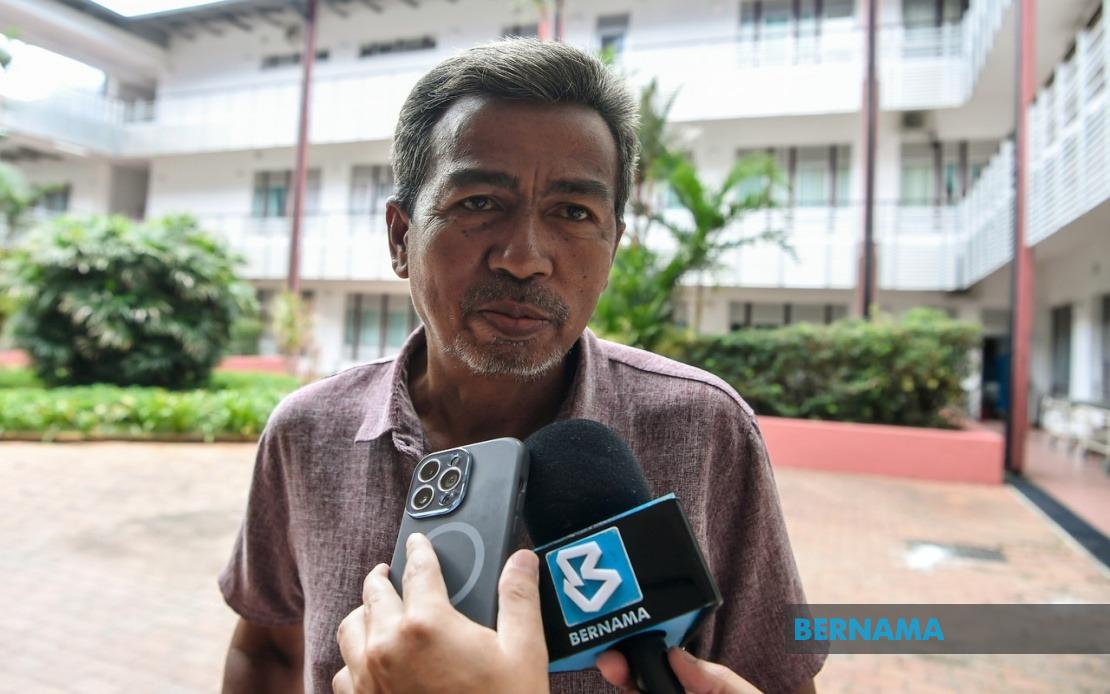
Yusuf Zakaria, leader of the Langkawi Small Traders Association, articulated a perspective widely shared throughout the island's business community. While acknowledging that non-governmental organisations have attempted to fill the void with existing water ambulance services, he emphasised the crucial difference between voluntary provision and systematic government operation. The distinction he drew speaks to fundamental concerns about standardisation, accountability, and the certainty that formally designated emergency services generate among both patients and medical professionals coordinating transfers across the Strait of Malacca.
For Muhamad Hafiz Abdul Jalil, a contractor working across Langkawi's developing infrastructure projects, the practical implications of current transport limitations are stark and immediate. His profession regularly brings him into contact with individuals suffering workplace injuries or acute health episodes in remote areas of the island where reaching help quickly determines outcomes. The reliance on conventional ferry services, designed for leisurely tourism and commercial transport rather than medical emergencies, creates dangerous delays and exposes vulnerable patients to conditions inappropriate for their medical state during the journey to mainland hospitals.
The temporal dimension of the problem cannot be overstated. Masri Ahmad, an established Langkawi trader, highlighted how evening and night-time emergencies represent an entirely separate category of crisis when standard ferry schedules have concluded. A cardiac event, severe trauma, or other life-threatening condition occurring after sunset leaves families and medical personnel without structured options, forcing improvisation that may compromise outcomes. The sea ambulance service, operating on demand rather than fixed schedules, promises to collapse response time windows and eliminate the arbitrary factor of clock-dependent service availability.
Tourist considerations add another layer of complexity and financial justification to the infrastructure investment. Langkawi's status as a premium resort destination attracts visitors who, like any population, occasionally experience medical emergencies during their stays. The current limitations in rapid maritime evacuation capabilities represent not merely a humanitarian concern but a genuine competitive disadvantage for the destination's positioning within Southeast Asian tourism markets. Potential visitors, particularly those with medical conditions requiring proximate emergency care access, may choose alternative destinations perceived as better served by emergency infrastructure.
The healthcare equity implications extend beyond simple geography. Island communities historically experience systematic disadvantage in emergency response capabilities, creating a form of geographic discrimination in medical outcomes. The government's commitment of RM5.5 million directly addresses this disparity by recognising that Langkawi residents deserve equivalent emergency response capacity to their counterparts on the peninsula. This investment principle, if applied consistently across Malaysia's island communities, could reshape how federal budgeting approaches peripheral populations.
The transition from ad-hoc civilian provision to formal government operation requires attention to planning details that stakeholders may not yet fully anticipate. Coordination with Peninsular Malaysia's receiving hospitals, establishment of communication protocols between the sea ambulance crew and medical facilities, crew training standards, and vessel maintenance schedules all represent operational scaffolding essential to translating capital investment into reliable service. The service's success depends not merely on acquiring a modern vessel but on integrating it comprehensively into Malaysia's broader emergency medical systems.
Finance Minister II Datuk Seri Amir Hamzah Azizan's announcement of the funding allocation signals political recognition that island healthcare infrastructure qualifies as essential public investment deserving priority treatment. The decision reflects broader demographic and economic realities: Langkawi's population supports significant tourism revenue, and the island's strategic location within Malaysian geography justifies integrated maritime emergency capability. Whether this precedent extends to other island communities remains an open question with implications for how Malaysia addresses peripheral healthcare equity.
The initiative also reflects evolving understanding of emergency medical transport infrastructure within developed systems. The deliberate deployment of specialised maritime ambulances, rather than attempting to adapt general-purpose boats to medical purposes, demonstrates recognition that emergency care quality depends on purpose-built equipment and trained personnel. This professional approach contrasts with the necessarily improvised systems previously relied upon and suggests the government has invested in evidence-based maritime emergency medicine capabilities.
Stakeholder enthusiasm, while genuine, appropriately includes an implicit caveat: success requires flawless implementation and sustained operational commitment beyond the initial launch phase. Communities have experienced infrastructure projects where initial enthusiasm gives way to maintenance neglect or service degradation as operational realities encounter budgetary constraints. Langkawi residents expressed not merely gratitude but conditional confidence, their support contingent upon the service actually operating as designed throughout the year.
The sea ambulance service ultimately represents convergence of humanitarian concern, economic logic, and recognition that geographic location should not determine access to emergency medical capacity. If executed effectively, it establishes a model for how island communities' healthcare disadvantages can be systematically addressed through dedicated infrastructure investment. For Langkawi residents who have advocated for this capability for years, next year's service launch will provide both tangible emergency response capacity and symbolic affirmation that their healthcare needs warrant serious government commitment.

