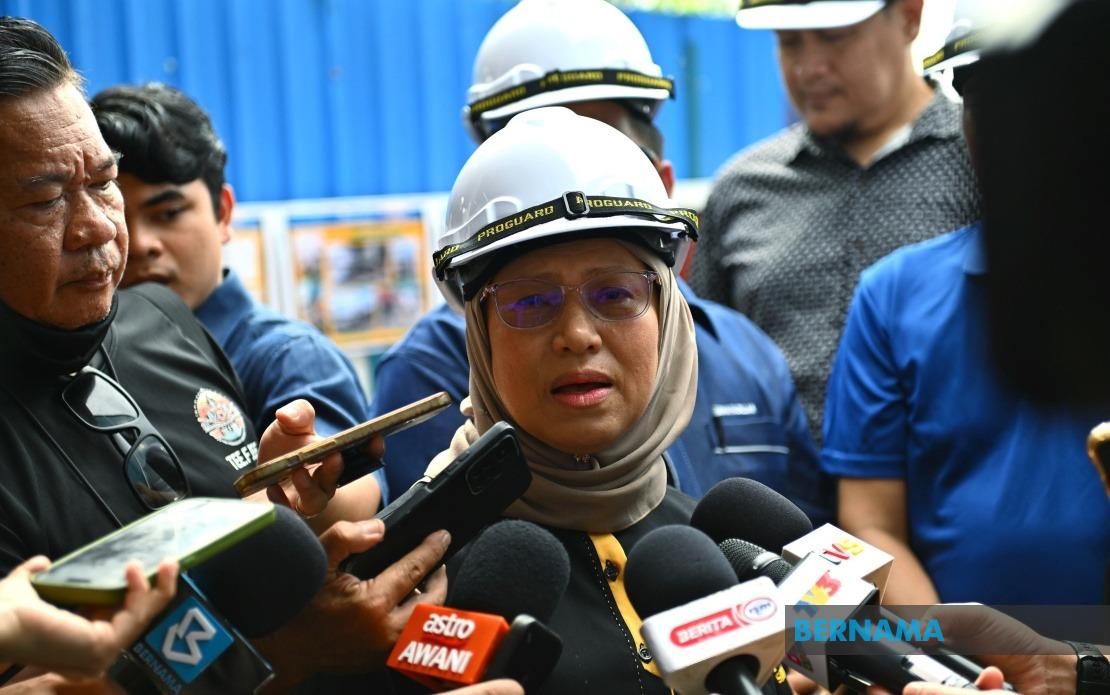
The Social Welfare Department has directed a Langkawi kindergarten to suspend its operations immediately as law enforcement agencies continue investigating serious allegations regarding the treatment and care of children in its facility. The move comes after a former kindergarten teacher filed a police report detailing concerning claims about conditions at the premises, sparking what officials have characterised as a priority matter under child protection legislation. The kindergarten will remain closed until the police investigation reaches completion, a decision that underscores the authorities' commitment to safeguarding young children in institutional care settings across Malaysia.
Women, Family and Community Development Minister Datuk Seri Nancy Shukri confirmed the directive during a site visit to Kuching on July 18, explaining that the Social Welfare Department's involvement reflects its broader mandate to protect children regardless of which agency holds primary regulatory responsibility. Although the Education Ministry oversees kindergarten operations, the Social Welfare Department maintains jurisdiction over child protection concerns and has deployed its officers to work alongside police and district education authorities to gather evidence and documentation necessary for the investigation. This collaborative approach demonstrates how multiple government agencies coordinate when child safety is at stake, ensuring comprehensive scrutiny of allegations.
According to Langkawi district police chief ACP Khairul Azhar Nuruddin, the investigation is proceeding under Section 31(1) of the Child Act 2001, which addresses child abuse, abandonment, and neglect. The former teacher's allegations specifically mention children being forced to sleep directly on floors without mattresses and confined in toilet facilities, claims that constitute potential violations of basic child welfare standards if substantiated. Police are systematically examining CCTV footage from the kindergarten and collecting witness statements to verify the accuracy and extent of these allegations, a methodical process designed to establish whether the conduct described constitutes criminal abuse or negligence.
The Minister emphasised that parents should adhere to police instructions and guidance throughout the investigation period to ensure continued protection of their children. This public messaging serves a dual purpose: it reassures parents that authorities are taking the matter seriously while encouraging cooperation with law enforcement. The temporary closure also provides a practical solution that removes children from a potentially unsafe environment pending the investigation's outcome, a precautionary measure that prioritises immediate child welfare over the kindergarten's operational continuity.
Officials have cautioned the kindergarten's operators regarding their obligations under child care regulations, reminding them of the legal requirements governing facility standards, staff conduct, and the treatment of enrolled children. The warning carries implicit weight given that violations discovered during the investigation could result in license revocation, criminal charges, or both. This aspect of the response reflects a broader regulatory framework across Malaysia designed to ensure that private and public institutions caring for young children maintain baseline standards of safety, hygiene, nutrition, and age-appropriate supervision.
The investigation represents a significant moment for child protection advocacy in Malaysia, where cases involving institutional neglect periodically surface in the public domain. Such incidents often prompt broader questions about licensing mechanisms, surprise inspections, complaint procedures, and the adequacy of penalties for violations. The fact that authorities responded swiftly to the former teacher's report demonstrates that whistleblower mechanisms, at least in this instance, functioned as intended, encouraging staff members to come forward when they observe concerning practices.
For Malaysian parents selecting kindergarten facilities, this case reinforces the importance of due diligence during the enrollment process. Beyond checking educational credentials and curriculum offerings, caregivers should verify that establishments maintain proper licensing, conduct background checks on staff, permit unannounced parental visits, and maintain transparent communication channels. The allegations at the Langkawi kindergarten—basic hygiene failures and inappropriate confinement—represent conditions that vigilant parents might detect through surprise visits or direct observation of the physical premises.
The Social Welfare Department's involvement also highlights the distinction between regulatory oversight and child protection functions. While education authorities examine curriculum quality, teacher qualifications, and facility infrastructure, welfare agencies focus on safeguarding children from abuse, exploitation, and neglect. This division sometimes creates coordination challenges, but the Langkawi case illustrates how agencies can work together effectively when serious concerns emerge.
The investigation will likely take several weeks to complete, given the need to interview all relevant parties, examine documentary evidence, and analyse CCTV footage in detail. Once concluded, the findings will determine whether the kindergarten can eventually resume operations under new management or enhanced oversight, or whether more severe consequences are warranted. The outcomes will also inform any policy recommendations that authorities might issue regarding inspection protocols or reporting requirements for early childhood institutions.
For the broader early childhood education sector in Malaysia, this incident serves as a reminder that maintaining high standards of care requires constant vigilance. Kindergartens and similar facilities depend on a combination of regulatory enforcement, parental vigilance, professional standards among staff, and institutional commitment to child welfare. When any of these components weaken, children's safety and development can be compromised. The swift response by the Social Welfare Department and police signals that violations will not be tolerated, potentially deterring similar practices elsewhere.

