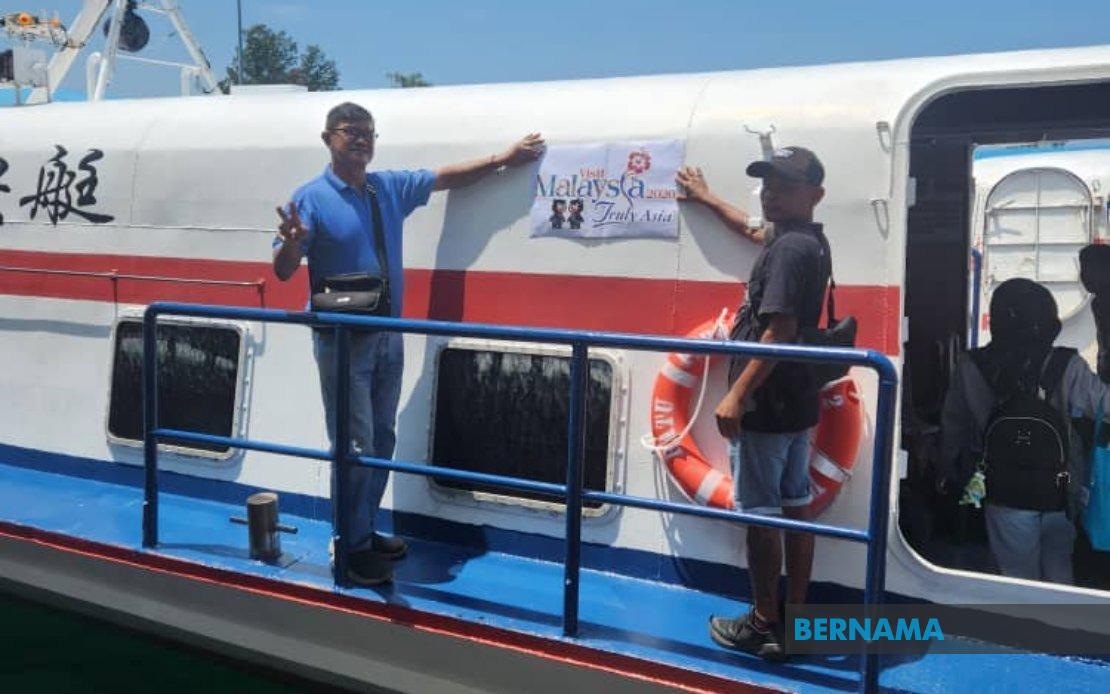
A critical transport lifeline connecting Labuan to Lawas in Sarawak has gone silent for the first time in more than three decades. RPL Shipyard Co, the operator of the passenger boat service, announced on July 14 that it would halt operations effective immediately, with the suspension lasting until October 14. The decision marks a significant disruption to a service that has quietly served the needs of thousands of residents across the border region for generations.
The operator cited multiple cascading pressures as justification for the unprecedented shutdown. Chief among these is an unresolved diesel supply problem that has made it difficult to maintain reliable boat operations. The company has also pointed to the relentless climb in operating costs, particularly the expenses associated with employing crew members and maintaining ageing vessels. Against this backdrop of mounting expenditure, the revenue from existing passenger fares has become insufficient to sustain day-to-day operations, let alone ensure the service's long-term viability.
LDA Holdings Sdn Bhd, which manages the Labuan International Ferry Terminal, confirmed receipt of the formal suspension notice from RPL Shipyard. The management company's chief executive officer, Noor Halim Zaini, indicated that discussions would follow to understand the operator's challenges more deeply and chart a course toward resuming service. This response suggests that while the suspension is significant, both parties recognise the service's essential role and remain committed to finding solutions.
For students from Sarawak, this suspension represents an immediate practical headache. Many have relied on the affordable sea route to reach higher education institutions in Labuan, particularly Universiti Malaysia Sabah and Labuan Matriculation College. The ferry's accessibility and cost-effectiveness have made tertiary education in Labuan viable for families across the border who might otherwise struggle to afford the journey. With the service now halted, these students face the prospect of longer, more expensive alternatives or disrupted study schedules.
The impact extends equally to residents of Lawas and surrounding communities who depend on the ferry to access Labuan Hospital for medical treatment. In many rural and semi-rural areas of Sarawak, access to quality healthcare requires travel to regional hubs, and Labuan Hospital serves as a crucial referral centre for serious cases. The suspension threatens to create genuine hardship for patients requiring urgent or planned procedures, potentially forcing them toward more costly private transport options or delays in seeking care.
RPL Shipyard's decision to suspend rather than permanently cease operations suggests hope that the service can eventually be salvaged. The company indicated that the temporary halt is intended to stabilise its financial position and allow for operational restructuring. This implies that the operator believes the core problems—diesel supply procurement and cost management—are solvable through focused attention rather than fundamental structural flaws in the service itself.
The diesel supply issue warrants particular scrutiny. Labuan, as a federal territory with special economic status, has its own regulatory framework for fuel distribution and logistics. The persistent difficulty in securing reliable diesel supplies suggests either a coordination gap in the supply chain or pricing dynamics that make fuel acquisition prohibitively expensive. Resolving this requires engagement between RPL Shipyard, fuel suppliers, and potentially government bodies overseeing Labuan's logistics infrastructure.
Operating cost pressures reflect broader challenges facing regional maritime transport operators across Southeast Asia. Rising wages for skilled crew, increasing maintenance expenses for vessels operating in tropical waters, and unpredictable fuel prices create a squeeze on providers of essential but thin-margin services. Many regional ferry operators face similar pressures, yet some have managed to maintain operations through subsidy arrangements, fare restructuring, or operational efficiencies. The three-month window now provides an opportunity for RPL Shipyard to explore such solutions in consultation with relevant authorities.
The affordability of passenger fares deserves scrutiny from a policy perspective. If existing fares genuinely cannot cover costs, yet remain at levels that communities can reasonably afford, the service may require some form of subsidy or public support to remain viable. This is a common arrangement for regional transport services that serve strategic social and economic purposes. Labuan's development as an education and healthcare hub may justify such intervention, particularly given the disruption caused by service loss to students and patients.
The suspension also raises questions about contingency planning in Labuan's transport infrastructure. A region dependent on ferry connectivity should ideally have backup arrangements or redundancy built into its network. The fact that a single operator's difficulties can completely cut off this route suggests a vulnerability that authorities may wish to address through the restructuring discussions ahead.
For Malaysia's broader maritime transport ecosystem, this episode reflects ongoing challenges in sustaining affordable, reliable service on regional routes. The three-month suspension window is not merely a pause but a potential turning point. If stakeholders—the operator, the terminal management, and relevant government agencies—can collectively address the diesel supply chain, rationalise costs, and potentially introduce demand-responsive adjustments, the ferry could resume with firmer footing. Conversely, if these obstacles prove intractable, the service may face permanent closure, representing a significant loss for Labuan's role as a cross-border hub.
Noor Halim Zaini's commitment to meeting with RPL Shipyard signals that the suspension need not be final. The path forward requires pragmatic problem-solving and possibly creative solutions that balance the operator's financial sustainability with the community's transportation needs. For students and patients on both sides of the Labuan-Lawas route, the hope is that the three-month window yields not merely a return to the status quo, but a strengthened service better positioned to serve the region for the next generation.

