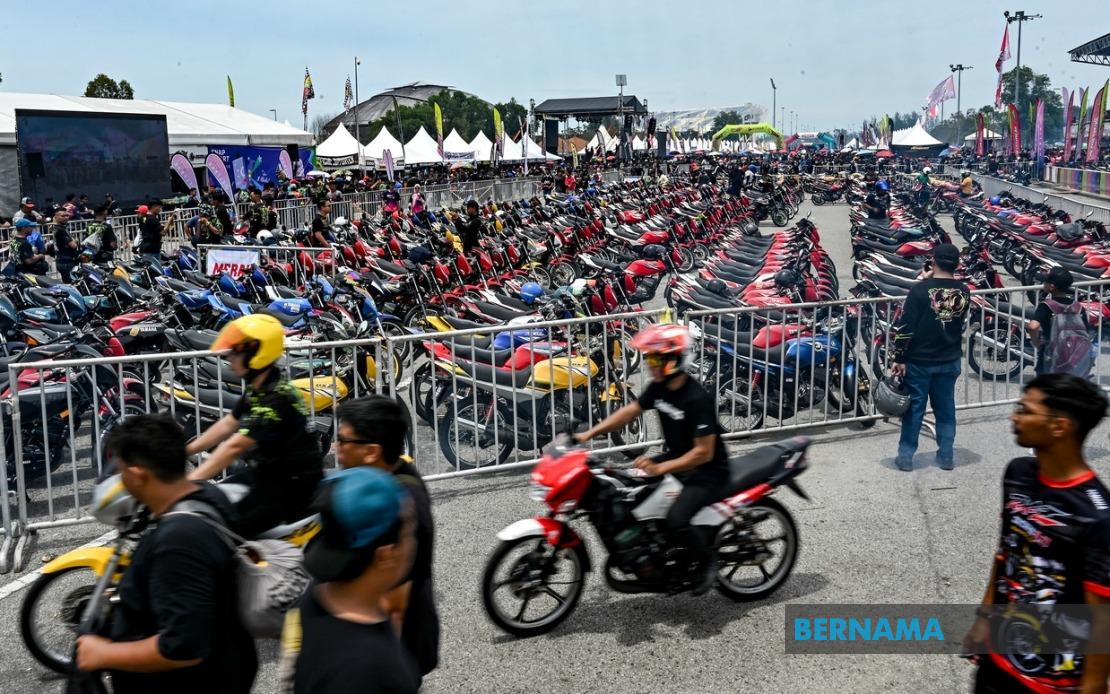
The Kuala Terengganu City Council (MBKT) has absorbed a RM40,000 bill for waste management services following the RXZ Members 8.0 event held at the Gong Badak Motor Racing Circuit near Kuala Nerus over the weekend. The substantial expenditure underscores the mounting environmental and financial pressures facing Malaysian municipal authorities when hosting major public gatherings, a challenge becoming increasingly familiar across Southeast Asian cities grappling with rapid event tourism growth.
According to Kuala Terengganu mayor Lizan Che Mamat, the cleanup costs encompassed overtime compensation for council workers, additional waste collection vehicle deployments, and extended operations at the Sungai Ikan landfill facility. The financial strain reflects the intensive logistical effort required to restore venue cleanliness after the event attracted more than 100,000 attendees, demonstrating how the true cost of large-scale events often extends well beyond the organisers' budgets to impact public sector finances.
The primary challenge stemmed from the volume of refuse generated—approximately 130 tonnes of solid waste, predominantly consisting of food and beverage packaging materials. This figure alone illustrates the consumption patterns and waste generation associated with mass gatherings in Malaysia, where single-use packaging remains prevalent despite growing environmental consciousness. The mayor noted that despite adequate provision of rubbish receptacles throughout the venue, visitors continued disposing of waste indiscriminately, suggesting a disconnect between available infrastructure and public compliance.
Lizan acknowledged that the number of waste bins deployed may have been insufficient given the unexpectedly high attendance figures. However, he emphasized that the primary responsibility lay with attendees to utilize designated collection points rather than creating scattered litter across the venue. This tension between infrastructure capacity and behavioral accountability reflects a broader challenge in waste management that extends to airports, shopping malls, and recreational facilities throughout Malaysia and the region.
The council's response signals a potential shift in how local authorities approach event management governance. MBKT is now considering implementing mandatory solid waste management plans for large-scale event organisers as a prerequisite for approval. Such requirements would place responsibility upstream, compelling event planners to demonstrate their environmental preparedness before securing municipal permits. This proactive approach could establish benchmarks for other councils nationwide, particularly those in urban centers like Kuala Lumpur and George Town, which regularly host major conferences, festivals, and sporting events.
Parallel to stricter planning requirements, MBKT intends to review the cleaning deposits currently imposed on event organisers. By potentially increasing these charges, the council aims to recoup more of the actual cleanup expenses and create financial incentives for better waste management practices. This mechanism recognizes that polluter-pays principles may prove more effective than regulatory mandates alone in encouraging responsible event planning. Such financial mechanisms have proven effective in other jurisdictions and could establish a template for local governments across Southeast Asia seeking sustainable funding for event cleanup operations.
The mayor's public commentary balanced acknowledgment of the tourism and economic benefits that major events bring to Terengganu against the environmental costs absorbed by the local authority. Large-scale gatherings like RXZ Members 8.0 do generate hotel bookings, restaurant patronage, and visitor spending that stimulates the regional economy, particularly important for tourism-dependent destinations seeking revenue diversification beyond traditional sectors. Yet this economic benefit, while genuine, comes with externalized environmental costs that municipal budgets must accommodate.
The situation reflects a broader pattern in Malaysian event management where economic development imperatives sometimes overshadow environmental considerations. Unlike some developed nations where event organisers face stringent environmental impact assessments and hefty sustainability compliance costs, Malaysian municipal frameworks remain comparatively flexible. This flexibility has attracted event operators and helped establish Malaysia as a competitive regional venue for motorsports, music festivals, and conferences. However, the flexibility has simultaneously created situations where cleanup costs are subsidized by public funds rather than borne directly by profit-generating organisers.
For attendees and the general public, the RXZ incident highlights how personal consumption choices carry collective environmental consequences. The 130 tonnes of waste generated translates to approximately 1.3 kilograms per attendee—a substantial amount concentrated in a single weekend. Scaled across the dozens of major events held annually across Malaysian cities, these figures compound into significant environmental and budgetary impacts. Public campaigns promoting event-venue waste responsibility could complement regulatory improvements, fostering cultural shifts toward environmental stewardship.
The council's experience also carries implications for smaller municipalities and state governments contemplating their event strategies. As Malaysia continues developing as an event tourism destination, replicating successful models from Terengganu—such as mandatory waste management planning and enhanced cleanup deposit structures—could help distribute environmental costs more equitably. This approach transforms waste management from a hidden public subsidy into a transparent business component, potentially improving overall event sustainability across the nation.
Moving forward, the MBKT initiative may influence how other local authorities structure event approval frameworks and financial arrangements. Should the enhanced requirements prove effective in reducing cleanup costs while maintaining event viability, other councils may adopt similar protocols. For event organisers, the message is clear: environmental responsibility is becoming a regulatory expectation rather than a voluntary consideration. This evolution aligns with regional sustainability commitments and international best practices, positioning Malaysian cities to host increasingly responsible large-scale gatherings that benefit communities without imposing disproportionate environmental burdens on municipal resources.

