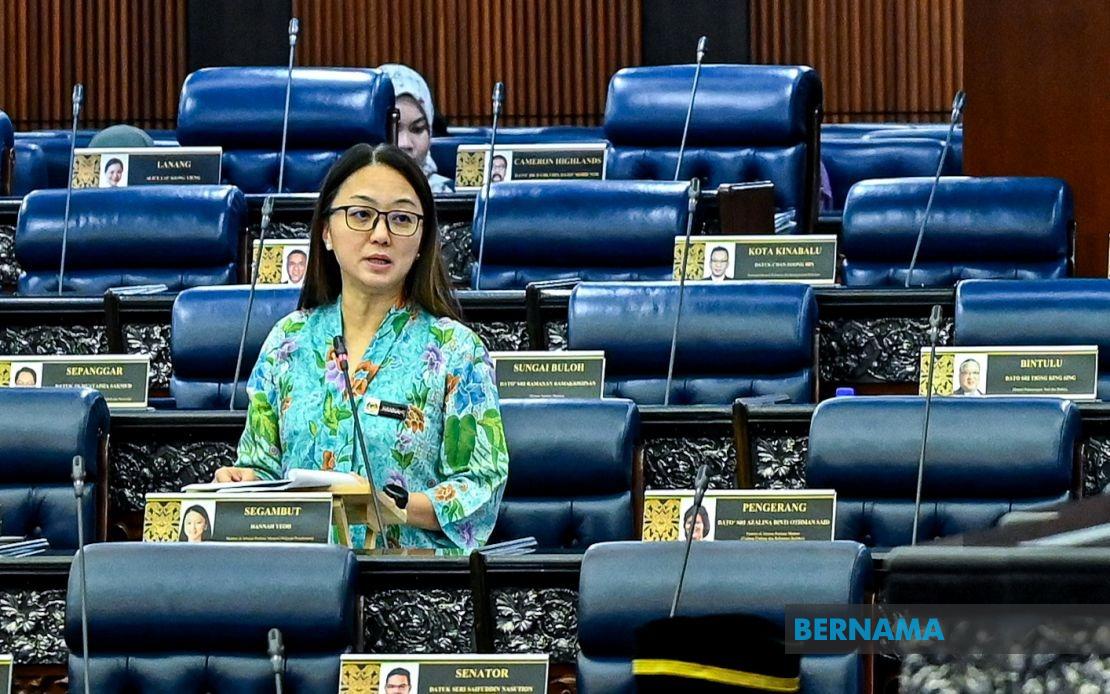
Kuala Lumpur City Hall (DBKL) is undergoing a substantial institutional overhaul after a damning anti-corruption assessment exposed significant vulnerabilities in its governance structure. The municipal authority scored only 0.08 per cent out of a possible 5 per cent in the Public Service Corruption Ranking component of the 2025 Local Authority Star Rating System, prompting swift action to rebuild public trust and operational integrity. Over the past six months, DBKL has implemented 16 separate reform initiatives designed to transform how the city authority operates, decides and serves the public. Minister in the Prime Minister's Department (Federal Territories) Hannah Yeoh revealed the scale of the intervention in parliament on July 16, emphasising that the poor result compelled DBKL to acknowledge the gravity of its position and commit to meaningful change.
The genesis of these reforms traces to an engagement session with Members of Parliament representing Kuala Lumpur constituencies held on March 2, which prompted an independent study by the International Islamic University Malaysia (IIUM). That research identified four broad areas requiring intervention: strengthening administrative processes, improving governance frameworks, enhancing integrity mechanisms, and upgrading service delivery systems. The IIUM findings built upon a detailed audit by the Malaysian Anti-Corruption Commission (MACC), which pinpointed five specific procedural weaknesses across DBKL's operations. These problem areas encompassed the management of radio studio broadcast content production initiatives, the allocation and regulation of Ramadan Bazaar trading sites, monitoring and oversight of business licensing service contracts, governance of the Malaysian Statutory Bodies Association Sports Championship, and collection management for residential rental payments across DBKL-administered housing projects. Each represents a domain where discretionary authority had previously gone unchecked, creating fertile ground for potential abuse.
The reforms signal a fundamental philosophical shift away from personalised decision-making toward institutionalised governance. One of the most significant changes involves abolishing the Special One Stop Centre (OSC) Committee, a move designed to enforce clearer separation of powers and eliminate opportunities for political influence to distort development approval processes. Complementing this structural change, DBKL has granted all Federal Territory MPs direct access to the OSC 3.0 Plus Portal, enabling them to scrutinise development applications and lodge formal objections or recommendations before municipal approval is granted. This transparency mechanism transforms backbench legislators from reactive complainants into active oversight participants, substantially raising the political cost of questionable decisions. The measure reflects an understanding that institutional checks must operate continuously rather than retrospectively.
Monetary thresholds have also become more restrictive. Previously, the mayor wielded broad discretion over contribution approvals; this has now been capped at RM3,000, with any larger expenditures requiring Top Management Committee deliberation. This seemingly modest ceiling prevents quick, unilateral disbursements while preserving mayoral flexibility for routine community support activities. The measure acknowledges that corruption often operates at modest scales through accumulated small discretionary allocations rather than singular dramatic transfers. By forcing larger decisions into committee formats, DBKL ensures multiple witnesses and creates documentation trails that deter opportunistic behaviour.
New oversight architecture reinforces these operational adjustments. DBKL has established three novel committees: an Audit Committee, a Governance and Integrity Committee, and a Mayor's Contributions Committee. Significantly, the Audit Committee no longer reports to the mayor, severing the traditional hierarchical relationship that could compromise investigation independence. This structural independence mirrors best practices in corporate governance, where boards insulate audit functions from executive interference. The Governance and Integrity Committee creates dedicated institutional capacity to monitor compliance and respond to emerging risks, while the Mayor's Contributions Committee brings collective judgment to discretionary spending decisions. Together, these bodies embed checks and balances throughout DBKL's decision-making architecture.
Operational discipline now extends to human resources management. DBKL has introduced mandatory job rotation for officers holding sensitive positions, disrupting the conditions under which individuals develop patterns of corrupt advantage through sustained occupancy of discretionary posts. Body-worn cameras will be rolled out in phases beginning in the fourth quarter of 2025, providing contemporaneous documentation of enforcement activities and reducing he-said-she-said disputes that can be exploited. These measures acknowledge that corruption prevention requires constant vigilance and environmental design that makes corrupt behaviour riskier and more visible.
Digitalisation forms the centrepiece of DBKL's service delivery transformation. As of July 2025, the authority has deployed 170 online application services, with a target of 180 by year-end and comprehensive digital processing across all applications by 2030. Online systems inherently generate audit trails and reduce opportunities for selective enforcement or favour-trading based on personal relationships. The implementation of the e-Lesen (electronic business licence) system exemplifies this approach: by eliminating reliance on intermediaries and runners, DBKL removes individuals who traditionally facilitated under-the-table arrangements. Integration of e-Lesen with the Departmental Enforcement System (SPJ) creates unified data architecture that simplifies compliance verification and complicates selective application of regulations.
Licensing policy reforms further reduce discretionary opportunities. Effective July 1, 2025, business licences now carry three-year validity periods rather than shorter terms requiring more frequent renewal interactions between businesses and DBKL officials. This shift acknowledges that frequent contact-points multiply occasions for corruption; by spacing interactions further apart, DBKL reduces exposure. Simultaneously, the shift reflects confidence in DBKL's ability to manage compliance through digital monitoring rather than routine personal interaction, reinforcing the broader digitalisation strategy.
These reforms carry implications extending beyond municipal administration. Kuala Lumpur's municipal government serves as a national showcase and testing ground; its struggles with corruption and subsequent recovery process influence perceptions of governance capacity across Malaysian public institutions. The severity of DBKL's anti-corruption rating—scoring less than 2 per cent of available points—suggests deeper systemic vulnerabilities than surface-level rule violations. The comprehensiveness of the response, spanning structural, procedural, technological and cultural dimensions, indicates official recognition that effective anti-corruption reform requires simultaneous intervention across multiple domains rather than isolated compliance exercises.
The implementation timeline remains aggressive. Six months elapsed between initial parliamentary engagement and comprehensive reform rollout, suggesting political pressure to demonstrate rapid transformation. Hannah Yeoh's parliamentary statements emphasise completing full digitalisation by 2030 and reaching 180 online services by end-2025, specific targets that enable future performance measurement. However, the real test of reform sustainability lies not in announcement or initial deployment, but in institutional persistence once political attention shifts elsewhere. Whether DBKL can maintain riorous enforcement of new procedures, resist political pressure to circumvent controls, and genuinely shift from personalised to institutionalised decision-making will determine whether current initiatives represent lasting transformation or temporary compliance theatre.

