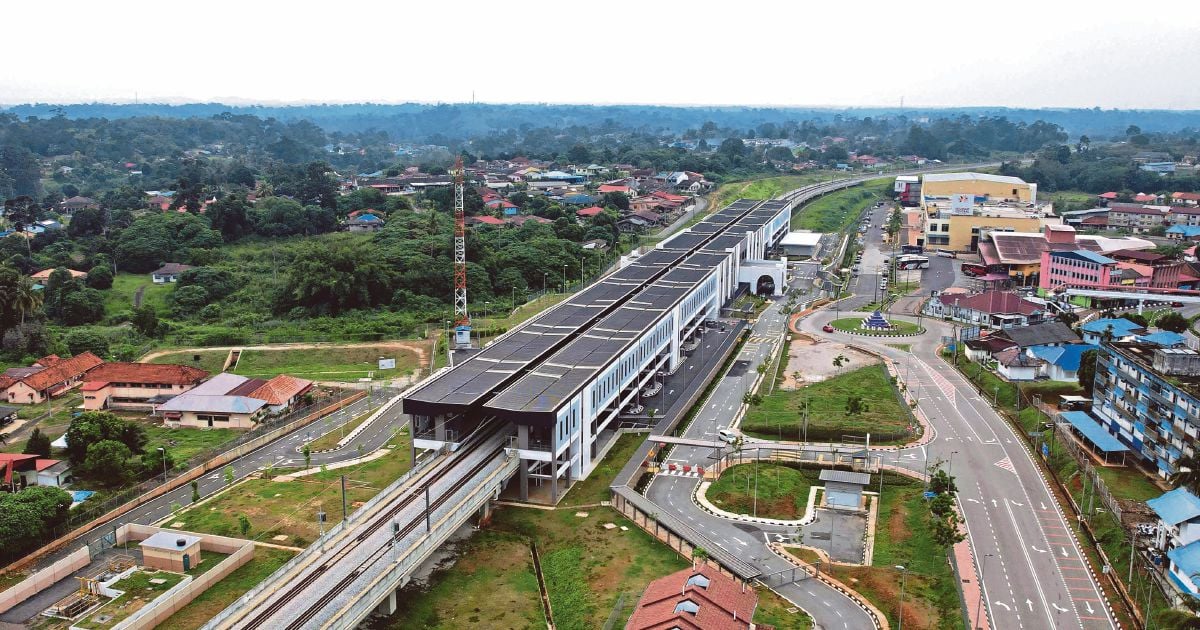
Malaysia's state railway operator, Keretapi Tanah Melayu Berhad, has mobilised an expanded fleet on its southern corridor to accommodate the expected surge in passenger traffic as voters travel to cast ballots in the Johor state election this weekend. The initiative centres on augmenting capacity within the Electric Train Service network, with the company arranging nearly 7,500 additional seats across multiple train journeys to facilitate easier movement between major population centres in the southern region.
The decision reflects growing awareness among transport operators of how election cycles generate substantial demand for public transit. Voters from outlying constituencies and those registered to vote in different districts often require reliable, affordable options to reach their designated polling stations within the prescribed voting windows. By expanding available capacity, KTMB aims to remove transportation as a barrier to electoral participation, while simultaneously leveraging the temporary surge in ridership.
Compounding the expanded seat allocation, KTMB has introduced a twenty percent discount on all southern sector ETS fares specifically for Johor-registered voters. The reduced pricing structure remains valid throughout the election weekend, creating a meaningful incentive for rail travellers. For commuters already considering the ETS as their transport mode, this tariff reduction translates into tangible savings on journey costs, particularly for those undertaking longer-distance trips between population centres.
The southern sector serves as a crucial transport corridor linking Kuala Lumpur with major Johor destinations including Seremban, Melaka, and points further south. This particular network experiences consistently high passenger volumes given the density of residential and commercial activity along the route. During election periods, demand intensifies dramatically as individuals travel homeward to vote in their home constituencies, a phenomenon that transport operators have progressively learned to anticipate and manage through targeted capacity expansion.
For Malaysian voters, such initiatives underscore the practical intersection between civic participation and service delivery. Governments and state-owned enterprises increasingly recognise that enabling voter participation requires removing logistical obstacles. By positioning the ETS as an accessible, affordable option precisely when demand peaks, KTMB contributes to smoother electoral administration while demonstrating the railway network's responsiveness to public need.
The timing of transport incentives during elections raises interesting questions about how government-linked companies balance commercial considerations with broader social objectives. While the temporary fare reduction represents forgone revenue, the goodwill generated and the volume increase may offset costs. Additionally, encouraging rail usage during high-demand periods builds ridership habits that could translate into longer-term patronage improvements for the operator.
From a regional perspective, transport accessibility during elections remains an underdeveloped policy consideration across Southeast Asia. Most neighbouring countries lack systematic arrangements to facilitate voter movement during polling periods. Malaysia's railway approach, particularly in states like Johor with geographically dispersed populations, offers a model worth examining. The integration of fare incentives with capacity planning demonstrates sophisticated understanding of both logistics and democratic enablement.
The Johor election represents a significant political moment within the Malaysian electoral calendar, and ensuring smooth movement of voters reflects official commitment to efficient democratic processes. When transport bottlenecks prevent citizens from voting conveniently, questions of fairness and accessibility inevitably arise. Conversely, when operators proactively expand capacity and reduce barriers, the election administration runs more smoothly and public confidence in the system strengthens.
For the broader ETS network, special election-period arrangements provide valuable operational data. KTMB can observe how passengers respond to pricing incentives, where bottlenecks emerge under extreme demand conditions, and which routes require permanent expansion. The weekend's experience will likely inform future election-period planning and potentially reveal insights applicable to regular service optimisation.
The 7,464 additional seats represent a substantial multiplier on normal weekend service levels, suggesting KTMB has undertaken serious capacity planning based on anticipated voter movement patterns. This numerical commitment indicates the operator expects significant electoral-driven demand rather than viewing the promotion as merely symbolic. Such concrete expansion suggests confidence in the fare discount's ability to shift transport choices toward rail options.
Passengers utilising the ETS network during the election weekend should note the specific eligibility criteria for the twenty percent discount, which requires proof of Johor voter registration. This targeting ensures benefits accrue specifically to those participating in the election while maintaining fare structure integrity for other traveller categories. Operationally, this precision targeting also requires enhanced ticket verification procedures, representing an administrative consideration KTMB must manage across potentially congested stations.
Looking forward, the success of this integrated approach—combining capacity expansion with targeted fare incentives—may establish a precedent for how KTMB manages other major events generating predictable transport demand surges. Whether applied to future elections, festivals, or major public gatherings, the model of foreseeing demand, securing resources, and adjusting pricing demonstrates mature transport management thinking.

