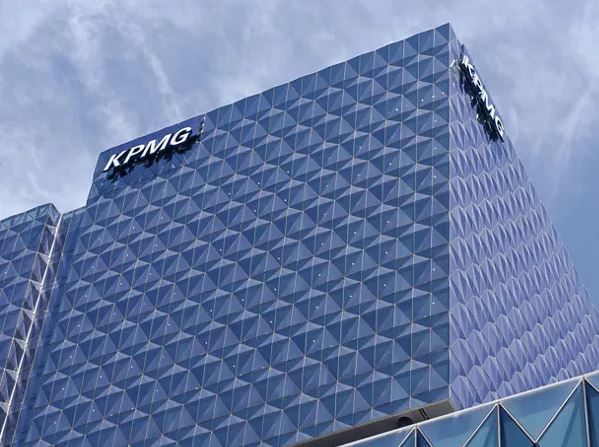
KPMG Australia has appointed Michael Ebeid as its first independent chairman in an attempt to restore credibility following a damaging scandal involving misused confidential client information. The announcement, made on Thursday, arrives just one week after the consultancy firm indicated that its previous chairman and two senior partners would step down as part of a broader governance restructuring. However, rather than quieting concerns, Ebeid's elevation has immediately sparked fresh criticism from Australian parliamentarians who question whether his existing ties to KPMG compromise his capacity to drive meaningful reform.
The scandal that prompted these changes centred on allegations that KPMG staff improperly accessed confidential board documents from property developer Lendlease and leveraged that information to strengthen competitive bids for major audit contracts. The matter erupted into public view in March when Senator Deborah O'Neill, a member of the ruling Labor Party, invoked parliamentary privilege to publicly detail complaints that had been raised internally by a former senior executive in 2024. That senior figure had escalated concerns about the practice to company leadership months earlier, only to see their complaint allegedly mishandled and subsequently investigated multiple times without substantive findings.
Ebeid, who previously served as chief executive of the public broadcasting network SBS, has maintained that KPMG can successfully navigate its reputational crisis and emerge as a stronger organisation. In a statement released alongside his appointment, he expressed confidence that the firm possessed the capacity to recover from the current difficulties and rebuild stakeholder trust. He outlined his primary objectives as strengthening independent board oversight, embedding integrity as a foundational organisational principle, and implementing the cultural and governance changes necessary to restore external confidence. Notably, Ebeid confirmed that the board would accelerate its search for a permanent chief executive, with the expectation that a successor would be formally confirmed before the end of July.
Yet Ebeid's existing relationship with KPMG raises substantial questions about his independence. He was initially appointed as an independent adviser to KPMG's national board during 2024 and has served on the Asia-Pacific board since 2025. This previous involvement meant he was directly implicated in recent events and was among those called to testify before a parliamentary committee inquiry into the scandal. His prior exposure to internal dynamics and stakeholders creates potential obstacles to the fresh, external perspective that many observers argue is essential for genuine institutional reform.
The credibility concerns deepened significantly when the parliamentary committee released internal email correspondence involving Ebeid in the wake of his appointment announcement. The released communications, dating from after Senator O'Neill's initial public allegations, reveal that Ebeid had been decidedly critical of the senator's parliamentary actions. In his email, he characterised O'Neill's behaviour as inappropriate and unfair, and disputed multiple claims made by the whistleblower regarding the timeline of events. He specifically stated that numerous assertions by the senator were entirely false. KPMG subsequently acknowledged that it had indeed mishandled the original whistleblower complaint and initiated a fourth formal investigation after three earlier inquiries failed to identify substantive violations.
The parliamentary committee's decision to release this correspondence was itself significant, as the members justified publication on grounds of public interest. The emails provided direct evidence of Ebeid's pre-formed views regarding both the allegations and the person who had raised them. This transparency inadvertently demonstrated that the new chairman already possessed detailed knowledge of the scandal's disputed facts and had adopted positions that aligned closely with KPMG's institutional interests rather than maintaining genuine neutrality.
Greens Party Senator Barbara Pocock, who sits on the parliamentary committee, articulated the deepest concerns about Ebeid's appointment, labelling it a clear conflict of interest. She observed that the email correspondence demonstrated Ebeid's extensive familiarity with internal KPMG matters and the substantive disputes surrounding the whistleblower allegations. Pocock argued that rather than signalling a genuine commitment to transformation, the appointment actually demonstrated how deeply embedded the problematic cultural patterns remain within KPMG's leadership structures. She contended that retaining individuals with existing ties to the organisation risked perpetuating the very institutional attitudes and leadership approaches that necessitated the current reform process. Most pointedly, she declared that the appointment failed to meet any reasonable ethical standard.
The timing of Ebeid's appointment carries additional significance within the broader Australian regulatory environment. Announced just one day after the centre-left Labor government indicated it was considering radical measures to address repeated scandals within the Big Four accounting sector, the appointment appears tone-deaf to the serious structural problems that policymakers have identified. The government's consideration of potentially breaking up these dominant firms reflects deep frustration with the sector's capacity for self-regulation and self-correction. Against this backdrop, KPMG's decision to elevate someone with substantial existing relationships within the organisation rather than recruiting a genuinely external figure signals either a fundamental misunderstanding of the scale of change required or a concerning reluctance to implement it.
KPMG declined to comment immediately on Senator Pocock's statements, maintaining silence in the face of renewed scrutiny. This reticence itself raises questions about the firm's commitment to transparency and dialogue regarding governance matters. The appointment ultimately presents a critical test case for whether large professional services firms can credibly reform themselves from within, or whether external intervention and structural change—potentially including the kind of breakup the government is contemplating—has become necessary. For Malaysian and regional observers monitoring how major multinational audit firms address governance failures, the KPMG situation offers cautionary lessons about the limits of cosmetic leadership changes when underlying cultural problems persist.

