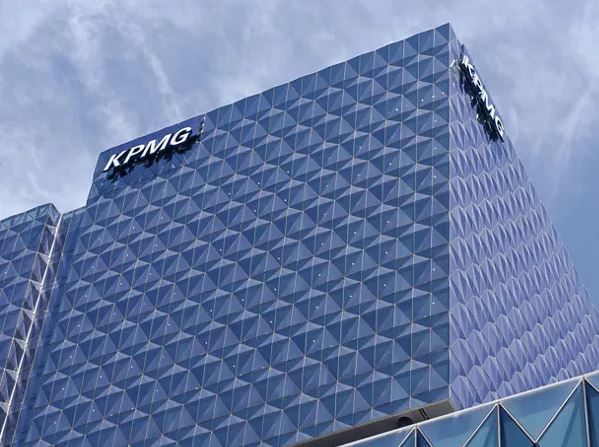
KPMG Australia has handed down disciplinary action against seven staff members, including financial penalties of up to A$180,000 (approximately US$125,838), after an internal investigation substantiated serious breaches in the handling of confidential client information. The sanctions represent a significant escalation in consequences for what the firm now characterises as conduct that fundamentally contradicts its stated commitment to client confidentiality and professional standards. The investigation uncovered that internal documents containing sensitive client data were inappropriately circulated among staff, a finding the company describes as unacceptable and inconsistent with its organisational values and legal obligations.
The disciplinary measures extend beyond financial penalties and demonstrate a graduated response to the misconduct. Among the seven sanctioned individuals, consequences range from formal warnings and restrictions on career advancement to reduced performance ratings and substantial financial fines. Two of the seven staff members chose to retire from the firm before the formal penalties were announced, suggesting they anticipated serious professional consequences. This mixed approach—combining warnings, career restrictions, and monetary sanctions—reflects KPMG's attempt to calibrate responses according to individual circumstances while signalling zero tolerance for the breach of client trust that underpinned the scandal.
The controversy emerged publicly in March when whistleblowers alleged that KPMG personnel had weaponised confidential information obtained during audit engagements to secure additional lucrative contracts. This practice represented a fundamental conflict of interest that undermined the independence auditors are expected to maintain and exploited the privileged access they gain to client information. The allegations struck at the heart of how professional services firms operate in Australia's corporate sector, where confidentiality and impartiality are the cornerstones of client relationships and regulatory compliance.
Three senior audit partners had previously been disciplined for misusing confidential board materials from property developer Lendlease, establishing a pattern of misconduct at the senior levels of KPMG's Australian audit practice. These partners were among those penalised following the latest investigation, indicating that leadership failures contributed substantially to the cultural environment that permitted such breaches. The involvement of senior figures amplified concerns about whether ethical standards had been compromised across the firm's governance structures and management practices.
The reputational and operational fallout has been severe for KPMG Australia. The firm's chief executive officer, audit division head, and chairman have all resigned in response to the scandal, reflecting the magnitude of the governance failure and the loss of confidence among stakeholders. These departures signal that the board and ownership recognised the need for comprehensive leadership change to restore institutional credibility. The exit of three senior leaders within a major professional services firm of KPMG's standing demonstrates the serious consequences that corporate governance failures can trigger among major firms.
Remarkably, KPMG's internal investigations initially failed to substantiate the whistleblower allegations, representing a significant investigative failure that only later investigations overcame. This sequence raises questions about the adequacy of the firm's initial investigative protocols and whether internal processes were sufficiently independent and rigorous. The eventual confirmation of wrongdoing after preliminary investigations had cleared staff suggests gaps existed in how the firm examined such serious allegations and whether sufficient emphasis was placed on protecting against conflicts of interest within internal review mechanisms.
Australia's corporate regulator, the Australian Securities and Investments Commission (ASIC), is conducting a parallel investigation into three partners implicated in the scandal. Two of the three partners identified by ASIC have already departed the firm and were previously fined by KPMG itself for misusing Lendlease confidential documents. ASIC's involvement indicates that regulatory authorities view the matter as potentially breaching securities laws and professional conduct standards beyond internal firm discipline. The regulatory investigation adds another dimension of potential accountability beyond internal sanctions and underscores the serious legal and compliance implications.
The identity of the third partner under ASIC investigation remains undisclosed, reflecting regulatory protocols around ongoing inquiries. However, the involvement of regulators suggests that professional bodies and government oversight mechanisms are treating the audit leak scandal as a systemic failure warranting formal investigation rather than a discrete compliance incident. This regulatory response carries implications for how audit firms across Australia and the broader professional services sector approach confidentiality protocols and conflict-of-interest management.
For Malaysian and Southeast Asian readers, the KPMG Australia scandal offers cautionary insights into governance and accountability within global professional services networks. KPMG operates extensively throughout the region, and maintaining client confidence in the independence and confidentiality protections offered by audit and advisory services remains fundamental to the firm's regional credibility. The episode demonstrates that even major international firms can experience serious breaches of ethical standards and that such failures trigger significant leadership and operational consequences.
The scandal also highlights the vulnerability of client information when it is held by professional service providers who face commercial incentives to leverage that information. Organisations across Malaysia, Singapore, and the broader region engaging audit and advisory firms must ensure adequate contractual and governance protections are in place. The KPMG case illustrates that regulatory oversight through bodies comparable to ASIC, combined with whistleblower mechanisms that can surface misconduct, remains essential to maintaining professional standards and client protections in the audit industry.
Looking ahead, KPMG Australia faces the challenge of rebuilding client confidence and demonstrating that new leadership and reinforced ethical protocols can prevent recurrence of such breaches. The firm's actions in sanctioning staff members, accepting findings of wrongdoing, and supporting leadership transitions represent necessary steps toward institutional rehabilitation. However, the depth of damage to client relationships and the firm's reputation will likely require extended periods of consistent ethical performance and transparency to fully restore.

