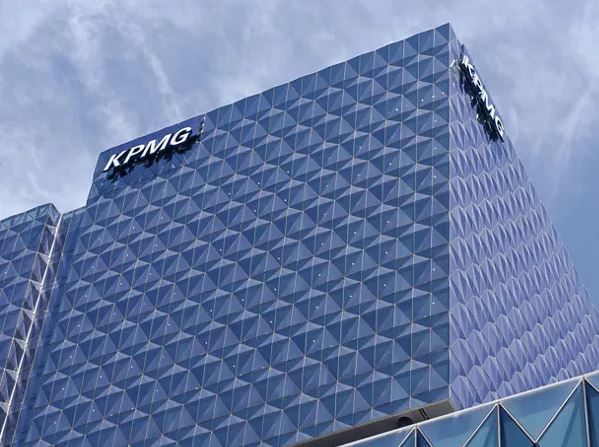
SYDNEY: The fallout from KPMG Australia's high-profile ethics breach widened significantly this week with the departure of three senior figures from the firm, including Chairman Martin Sheppard and prominent audit partners Paul Rogers and Eileen Hoggett. The departures underscore the deepening reputational damage and institutional turmoil enveloping one of the world's "Big Four" accounting firms, which has been struggling to contain a scandal that has already claimed the firm's chief executive and head of audit.
The Australian corporate landscape has rarely witnessed such swift and consequential leadership upheaval at a major professional services firm. Interim chief executive Stan Stavros acknowledged in a statement that the resignations were essential to move forward, while also accepting that the organisation had fallen well short of the standards its clients, employees, and the broader community rightfully expect. The tone of his remarks reflected an organisation attempting damage control amid mounting pressure from regulators, clients, and its own workforce.
At the heart of the controversy lies an allegation that KPMG improperly accessed and leveraged confidential board documents from real estate and property development company Lendlease to strengthen its competitive bids for major audit contracts with the firm. Such conduct, if proven, would represent a fundamental breach of professional ethics and client confidentiality that sits at the core of what audit firms pledge to their clients. The alleged misuse of privileged information strikes at the very foundation of trust upon which the entire audit profession rests.
Rogers and Hoggett found themselves in particular legal and professional jeopardy after being named in the whistleblower's allegations as the lead partners overseeing KPMG's relationship with Lendlease. Both men are currently the subject of an investigation by the Australian Securities and Investments Commission, the nation's corporate regulator responsible for policing the conduct of financial services firms and their personnel. The investigation carries potential consequences ranging from professional sanctions to more severe regulatory action depending on what investigators ultimately conclude.
The whistleblower's allegations became public in March, triggering an immediate cascade of consequences that has reshaped the firm's leadership structure. KPMG's initial response involved the appointment of an external law firm to conduct an independent review of the allegations, but the weight of evidence and public concern apparently prompted the latest round of departures. The timing and scale of the resignations suggest that internal investigations may have substantiated at least portions of the whistleblower's original claims.
For Malaysian and Southeast Asian readers, the KPMG scandal carries particular significance given the firm's substantial presence across the region. KPMG operates extensively in Malaysia, Singapore, Thailand, and other major economies, serving as auditor and adviser to numerous multinational corporations and local enterprises. The Australian controversy inevitably raises questions about governance standards, internal controls, and ethical compliance across the global KPMG network. Companies throughout the region that rely on KPMG's audit services may be reassessing their confidence in the firm's ability to uphold the highest professional standards.
The institutional response to the scandal has now escalated beyond personnel changes. KPMG announced intentions to strengthen its governance framework by appointing an independent chairman and expanding independent representation on its Australian board. These structural reforms represent a tacit acknowledgment that internal oversight mechanisms previously failed to detect or prevent misconduct at senior levels. Such governance enhancements, while necessary, cannot instantly restore trust that has been eroded by the conduct of partners and executives who were ostensibly responsible for maintaining ethical standards.
The sequence of departures also reveals the cascading nature of accountability in the aftermath of a major scandal. The CEO and audit chief resigned first, establishing a pattern that created additional pressure for further changes at the board and partnership levels. The resignation of the chairman himself signals that no position, regardless of seniority, lies beyond the reach of accountability when institutional failures are deemed serious enough. This contrasts sharply with some other corporate scandals where senior figures attempt to insulate themselves from consequences.
The broader implications for the accounting profession warrant careful consideration. The Big Four firms—KPMG, Deloitte, EY, and PwC—dominate global audit markets and wield considerable influence over corporate accountability. When one of these firms experiences such a significant ethics breach, it inevitably prompts scrutiny across the industry about whether similar problems might exist elsewhere. Regulators worldwide will likely intensify their oversight of how major audit firms handle conflicts of interest and access to sensitive client information.
For KPMG itself, the path to recovery will be lengthy and demanding. Beyond the immediate leadership restructuring, the firm must rebuild client confidence, retain demoralized staff members, and demonstrate through consistent action over time that the scandals represented an aberration rather than a reflection of the firm's true culture and values. How successfully KPMG manages this rebuilding effort will serve as an important case study for how global professional services firms respond when their ethical foundations are shaken.