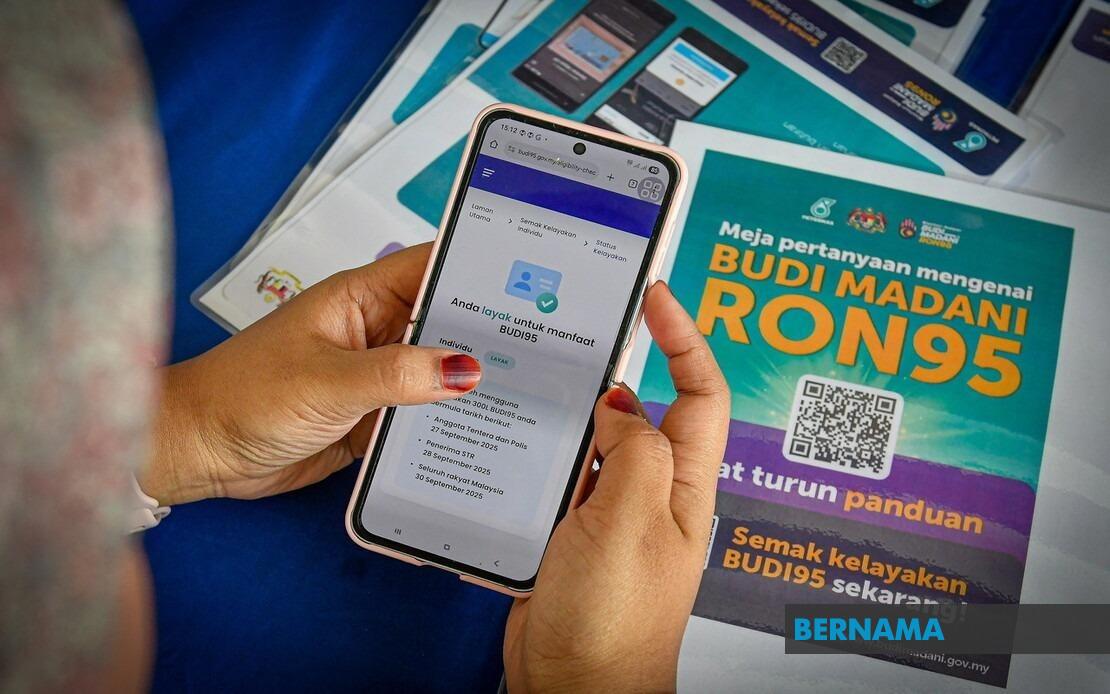
The Ministry of Domestic Trade and Cost of Living has committed to evaluating appropriate mechanisms to better serve island communities throughout Peninsular Malaysia who depend on private boats for essential daily transportation, with particular focus on strengthening support under the BUDI MADANI assistance initiative. Deputy Minister Datuk Dr Fuziah Salleh made the commitment during a parliamentary session on July 1, acknowledging the genuine hardships faced by residents of peripheral island communities who have limited mainland connectivity and face significantly elevated operational costs for boat-dependent commuting.
The review emerged from concerns raised by Muhammad Islahuddin Abas, a Perikatan Nasional representative from Mersing, who highlighted that island residents in his Johor constituency experience disproportionately high petrol expenditure compared to mainland populations. He advocated for enhanced quota allocations under the BUDI95 fuel assistance scheme, recognising that residents in islands such as those off the Mersing coast require substantially more fuel to maintain their essential transportation links to the mainland for work, education, and access to government services. The geographical isolation of these communities, combined with the absence of conventional public transport infrastructure, creates genuine barriers to economic participation and social inclusion.
Deputy Minister Salleh's response indicated receptiveness to tailored solutions, suggesting that the ministry possesses sufficient flexibility within existing programme frameworks to accommodate this vulnerable cohort. Her acknowledgment of the transportation difficulties faced by boat-dependent populations signals potential movement towards more geographically nuanced policy implementation. The ministry's exploration of extended assistance mechanisms represents recognition that standardised subsidy schemes often fail to account for the specific circumstances of communities with atypical infrastructure requirements. This approach aligns with broader international best practice in means-tested welfare administration, which increasingly emphasises geographic and occupational differentiation.
Simultaneously, the ministry is undertaking substantive procedural refinements to extend subsidised diesel fleet cards to elderly care homes operated under non-governmental organisation structures. Currently, these facilities remain ineligible for access to diesel subsidies despite operating critical welfare transport services for vulnerable senior populations. The exclusion stems from regulatory classification disparities: while these homes maintain formal registration with the Registrar of Societies, they lack registration with the Companies Commission, creating a technical barrier to subsidy scheme participation. This institutional misalignment has created perverse policy outcomes whereby transport needs of elderly persons within NGO-managed facilities receive no subsidisation, despite their fundamental social importance.
The Deputy Minister identified the root obstacle as procedural inconsistency within the Subsidised Diesel Control Scheme framework, which currently recognises only corporate entities as eligible recipients. Salleh indicated that officials are developing additional regulatory pathways to accommodate civil society organisations, requiring enhanced administrative procedures to verify eligibility and manage disbursements to society-registered entities. The ministry's willingness to establish modified criteria demonstrates understanding that rigid institutional categorisation can inadvertently exclude legitimate welfare beneficiaries from targeted assistance programmes. This refinement reflects growing recognition within Malaysia's policy apparatus that welfare schemes must accommodate diverse organisational structures in civil society.
For Malaysian readers, this development carries particular resonance given the substantial NGO sector involvement in eldercare provision. Many voluntary organisations across the country operate old folks' homes, community care centres, and disability support services without formal corporate registration. The current exclusion of these entities from diesel subsidies directly impacts service quality and accessibility for Malaysia's rapidly ageing population. Enhanced subsidy access would reduce operational costs for transport services essential to elderly healthcare access, meal provisions, and community engagement programmes. The ministry's procedural review thus addresses a substantive gap in welfare coverage affecting millions of Malaysians indirectly dependent on NGO service delivery.
In contrast to these positive movements, the ministry maintained that the tourism sector remains ineligible for diesel subsidies under the refined SKDS 2.0 scheme framework. Deputy Minister Salleh clarified that current subsidy prioritisation focuses on food production and other essential sectors deemed critical to national food security and basic supply chains. Tourism, despite its economic significance and employment contribution, does not meet the present definition of essential sectoral activity warranting direct fuel cost support. This distinction reflects policy emphasis on fundamental provisioning requirements over discretionary economic activity, even though tourism's supply chains encompass significant transport dimensions.
The tourism sector exclusion warrants consideration given Malaysia's strategic emphasis on recovery and expansion of international visitor arrivals following pandemic disruptions. Tourism operators, particularly those in regional destinations requiring significant ground transport, face elevated operational cost burdens that comparative neighbouring destinations may not encounter if their fuel support frameworks differ. While the ministry's prioritisation reflects reasonable rationing of subsidy resources, stakeholders in tourism and related sectors may continue advocating for reconsideration as economic recovery progresses and fiscal circumstances potentially permit broader scheme expansion. Regional competitiveness considerations may eventually prompt reassessment of sectoral eligibility parameters.
These interconnected policy refinements reflect incremental but meaningful movement towards more responsive welfare administration. The ministry's simultaneous engagement with island community transportation needs, NGO-managed elderly care facility accessibility, and sectoral subsidy eligibility demonstrates a comprehensive policy review process. Implementation timelines for these reviews remain unspecified, though Deputy Minister Salleh's parliamentary commitment suggests substantive progress may materialise within coming quarters. The outcomes will likely establish precedents for future scheme administration, particularly regarding how ministerial agencies accommodate geographic vulnerability and organisational diversity in beneficiary identification.
For Southeast Asian readers observing Malaysia's approach, these policy deliberations offer insights into how regional economies address subsidy targeting challenges. Island communities, NGO welfare provision, and energy cost management represent challenges confronting multiple Southeast Asian governments simultaneously. Malaysia's transparent parliamentary debate of these issues, coupled with explicit commitment to procedural review, demonstrates one model for democratic welfare policy refinement. Whether the ministry successfully translates these commitments into operational changes will substantially influence the lived experiences of peripheral island residents and vulnerable elderly populations across Malaysian communities.

