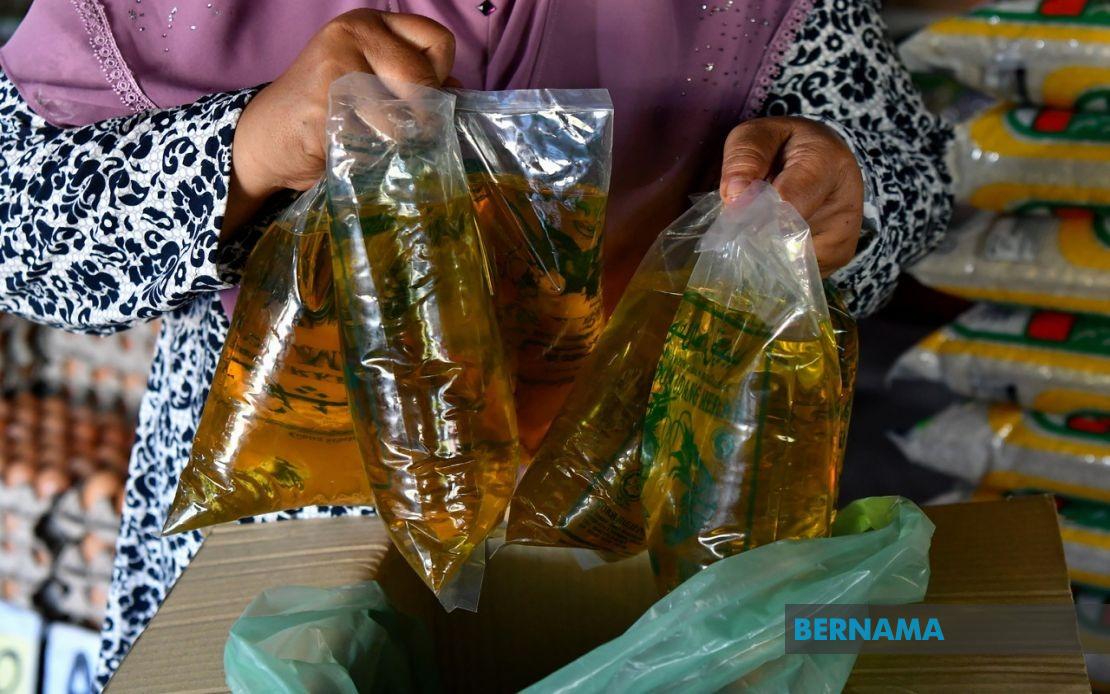
The Domestic Trade and Cost of Living Ministry will adopt recommendations from Parliament's Public Accounts Committee regarding the management of cooking oil prices and government subsidies, signalling a fresh push to tighten control over one of Malaysia's most sensitive consumer commodities. Datuk Armizan Mohd Ali, the trade minister, pledged the ministry would examine the PAC's findings presented to the Dewan Rakyat on July 16, particularly focusing on preventing subsidy leakage and redirecting support more precisely to eligible Malaysian citizens.
At the heart of these efforts lies the Cooking Oil Stabilisation Scheme System, or eCOSS, a digital initiative first launched in 2023 but only now accelerating towards full deployment. The system operates on a two-track implementation strategy: one stream involves gradually enforcing eCOSS across the entire supply chain from refineries through to retailers, while the second concentrates on rolling out a mobile application that commenced pilot testing in May 2025. This technological architecture represents a deliberate departure from Malaysia's traditional reliance on manual record-keeping and informal monitoring mechanisms that have historically created opportunities for abuse.
The digital infrastructure addresses a persistent problem plaguing the cooking oil subsidy programme: the manipulation of records and diversion of subsidised supplies away from intended beneficiaries. By replacing paper-based systems with automated tracking, the eCOSS framework aims to create an auditable trail that makes unauthorised transfers far more difficult to conceal. Armizan emphasised that this technological overhaul forms a core pillar of the ministry's risk management strategy, acknowledging implicitly that previous subsidy arrangements had been vulnerable to exploitation.
A crucial enhancement under consideration involves integrating eCOSS with a new generation of national identity cards being rolled out by the National Registration Department. This integration would enable identity verification through QR code scanning at the point of purchase, creating a direct link between individual purchasers and their entitlements. Such a system would fundamentally alter how subsidised cooking oil reaches consumers, shifting from reliance on retail honour systems to a verification-based model. Critically, the measure would prevent foreign nationals from accessing subsidised cooking oil at controlled prices, addressing a long-standing concern that migrants and temporary workers have exploited Malaysia's generous subsidy regime.
The PAC also directed attention to the structure of cooking oil refining in Malaysia, recommending that quotas be redistributed to favour locally owned companies over foreign-controlled entities. The current arrangement lacks any formal quota allocation; instead, repackers choose their suppliers based on practical considerations including transportation costs, credit availability, product pricing, supply reliability, and facility proximity. This market-driven approach inadvertently consolidated purchasing power among larger foreign-owned refineries, potentially distorting Malaysia's oil refining sector in ways that undermine domestic industry competitiveness.
The ministry is now introducing targeted interventions to shift repackers towards sourcing from Malaysian-owned refineries without imposing rigid quotas that might disrupt supply chains. These measures include quota replacement requirements that incentivise local sourcing and business matching mechanisms designed to connect local refiners with repackers seeking suppliers. Such an approach balances the PAC's concern about foreign dominance with practical recognition that abrupt supply chain restructuring could destabilise the cooking oil market and spike consumer prices.
Additional safeguards under the enhanced scheme include restricting the sale of one-kilogramme packets of cooking oil to Malaysian citizens only, thereby closing a retail loophole through which non-citizens could access subsidies. The government is simultaneously integrating eCOSS data with the Sumbangan Asas Rahmah system, which administers direct cash assistance to low-income households, creating a unified administrative framework that links food and fuel support mechanisms. This integration represents a conceptual shift towards treating subsidies as part of a coordinated welfare architecture rather than isolated commodity price interventions.
Armizan signalled that the ministry's agenda extends beyond merely adopting PAC recommendations. The trade ministry is conducting internal reviews of the cooking oil subsidy programme, cross-referencing findings with an audit report produced by the National Audit Department in July 2025. This multi-layered evaluation suggests that subsidy leakage remains more extensive than publicly acknowledged, and that rectifying it requires simultaneous improvements across enforcement, technology infrastructure, and administrative coordination.
Enforcement remains critical to the scheme's integrity. The minister committed to strict action against refineries, repackers, wholesalers, retailers, and any other participants discovered breaching subsidy rules. Such enforcement carries particular significance in Malaysia's context, where informal networks and personal relationships traditionally influence business transactions. Establishing credible enforcement against established commercial interests—particularly foreign-owned corporations—will test the government's resolve to implement the PAC's recommendations despite potential pushback from affected industries.
The cooking oil subsidy issue carries far broader implications for Malaysian economic management. Subsidies consume significant fiscal resources while creating distortions throughout the supply chain, and the government has long sought mechanisms to target support more efficiently without triggering public backlash. The eCOSS system, once fully operational, could serve as a prototype for how Malaysia might restructure subsidies for other essential commodities, potentially pointing toward a model combining technology-enabled targeting with stronger administrative capacity.
For Malaysian consumers, these changes promise to consolidate the controlled prices they currently enjoy, provided the enhanced digital and enforcement infrastructure succeeds in preventing the subsidy leakage that previously necessitated expansions of the subsidy programme itself. However, the success of eCOSS depends heavily on consistent technological performance, retailer cooperation, and sustained political commitment to enforcement—factors that remain uncertain given Malaysia's mixed track record in implementing large-scale administrative systems. The ministry's willingness to incorporate PAC recommendations suggests genuine recognition that the existing arrangement was unsustainable, though the practical challenges of implementation should not be underestimated.

