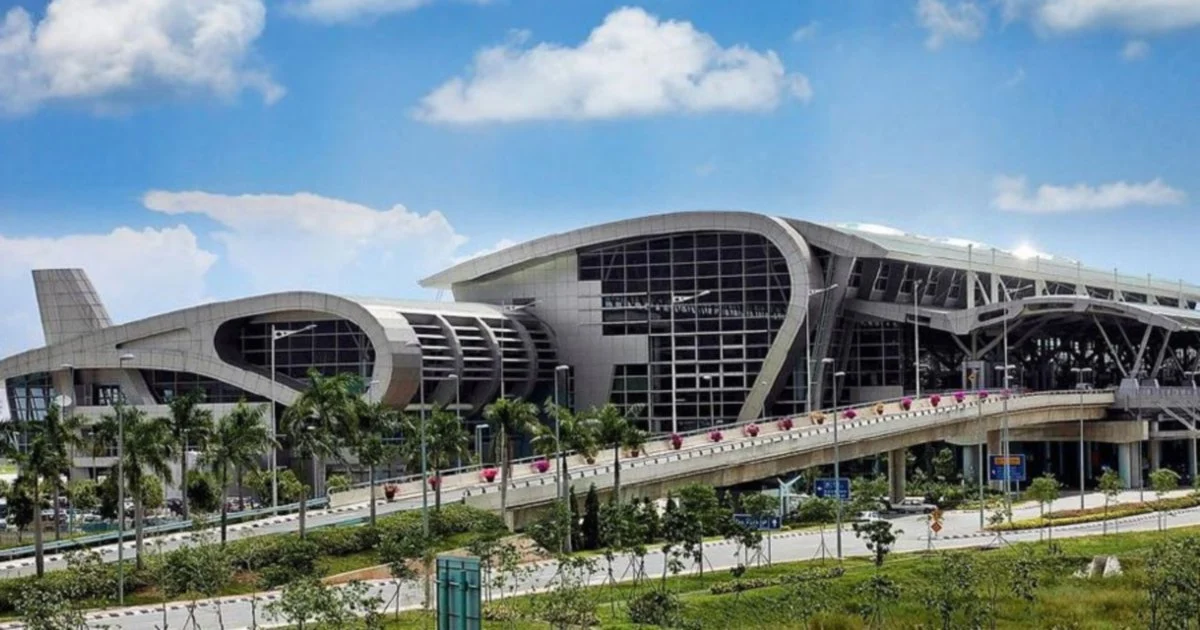
The Kota Kinabalu International Airport expansion project, valued at close to RM500 million, cannot proceed to active construction until outstanding property and location matters are settled with the Sabah state administration, according to Deputy Transport Minister Datuk Hasbi Habibollah. This significant infrastructure initiative, which represents one of Malaysia's major airport development plans, currently finds itself in a holding pattern while the relevant governmental bodies work through the bureaucratic complexities surrounding land acquisition and site preparation.
The holdup underscores a recurring challenge in Malaysian infrastructure development: the intersection of federal investment ambitions with state-level land administration and regulatory requirements. Sabah, as a state with considerable autonomy over land matters following the Malaysia Agreement, maintains significant authority over property acquisition and usage decisions. This constitutional framework means that large-scale federal projects cannot simply proceed without extensive coordination and agreement at the state level, a process that frequently generates complications.
Kota Kinabalu International Airport serves as the primary aviation gateway for East Malaysia's largest state, handling hundreds of thousands of passengers annually and functioning as a crucial link for both domestic and international connectivity. The airport's capacity constraints have become increasingly evident as Sabah's tourism sector has expanded and business travel has intensified. An expanded facility would accommodate anticipated passenger growth over the coming decade while potentially attracting additional airline routes to the region.
The deputy minister's statement implies that negotiations between Kuala Lumpur and Kota Kinabalu remain ongoing, though neither party has publicly disclosed specific contentions or timelines for resolution. Such land disputes in Malaysian infrastructure contexts often involve questions of property ownership verification, compensation arrangements, relocation of existing structures or communities, and alignment with state development plans. The prolonged nature of these discussions suggests that fundamental disagreements may require careful diplomatic navigation rather than swift administrative resolution.
For Malaysian aviation stakeholders, the delay carries practical implications. Airlines planning capacity additions to Sabah routes must work with existing terminal limitations. Passengers experience continued crowding during peak periods. Tourism operators cannot confidently forecast the improved connectivity that an expanded airport would enable. Regional economic development strategies premised on enhanced travel infrastructure must adapt their timelines accordingly.
From a Southeast Asian perspective, the stalled project reflects broader regional infrastructure challenges. Many nations throughout the bloc face similar coordination difficulties when federal or national governments attempt to develop facilities within autonomous or federated state structures. These bureaucratic entanglements frequently defer critical upgrades that could enhance regional competitiveness and connectivity. Thailand, Indonesia, and the Philippines have experienced comparable delays in airport expansions and other transportation infrastructure driven by similar jurisdictional complications.
The RM500 million investment figure positions this as a substantial capital commitment by Malaysia's federal government. When combined with necessary ancillary investments in ground transportation, hospitality, and commercial infrastructure, the full economic footprint of the project could exceed one billion ringgit. Delayed implementation therefore extends the timeline for realizing return on investment and pushes forward the anticipated benefits for Sabah's economy.
Business groups in Sabah have previously expressed frustration with infrastructure development pacing. The state government, meanwhile, must balance welcoming federal investment with protecting state interests and ensuring that development projects align with local priorities. This tension frequently manifests in negotiations over facility management agreements, revenue-sharing arrangements, and long-term operational oversight. The expansion project may include contentious elements addressing these matters.
The resolution process typically involves interagency committees examining site preparation requirements, environmental impact assessments, community impact studies, and financial accountability frameworks. Transport ministry officials must coordinate with their counterparts in the Sabah state government, the Lands and Surveys Department, and potentially the Office of the Chief Minister. Local councils and land authorities add additional layers of bureaucratic participation.
Historically, similar disputes have taken eighteen months to several years to resolve in Malaysia. Previous airport expansion projects in other states have faced comparable delays. If the KKIA matter follows this pattern, construction may not commence until 2025 or beyond, substantially postponing the facility's operational improvements.
The deputy minister's acknowledgment that issues remain unresolved suggests the parties have not reached a framework agreement, indicating potentially substantive disagreements rather than minor administrative holdups. Public statements from Sabah's leadership would likely follow once negotiations reach more advanced stages. Until then, the project essentially remains in abeyance, with neither clear resolution timeline nor definitive pathway forward having been communicated to stakeholders.
For Malaysian policymakers, the KKIA situation represents a broader lesson regarding infrastructure planning in a federal system. Projects requiring state cooperation benefit from intensive pre-planning discussions, early involvement of relevant state authorities, and clear agreements on contentious matters before federal investment commitments are publicly announced. The current situation demonstrates the costs of proceeding without such foundational agreements in place.

