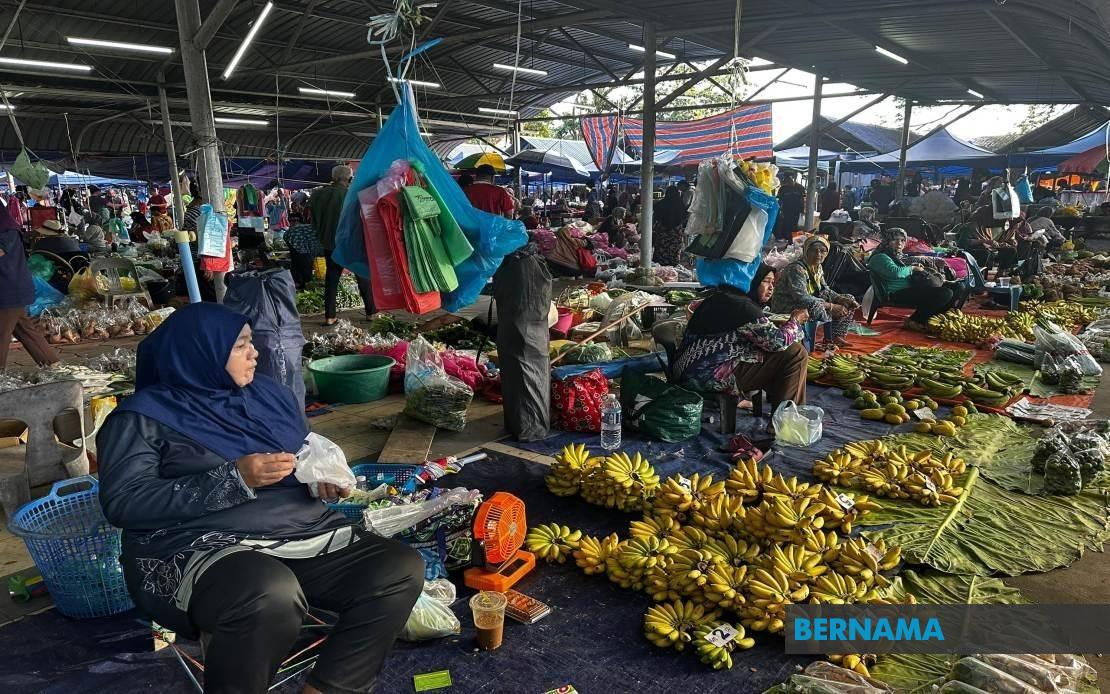
The prospect of elevating Kota Belud Tamu to UNESCO World Heritage Site status faces a significant procedural hurdle, with Sabah state officials cautioning that the traditional market will require substantial preparatory work before such a nomination can proceed. Speaking in the Sabah State Legislative Assembly on July 21, Assistant Minister of Tourism, Culture and Environment Dr Andi Md. Shamsureezal outlined the demanding nature of UNESCO's selection criteria, emphasising that the designation cannot be rushed through without meticulous groundwork.
The assistant minister's comments came in response to a question from Datuk Mohd Arsad Bistari, representing the Tempasuk constituency, concerning the state government's strategic approach to securing both UNESCO World Heritage Site recognition and Geopark status for the market. Dr Andi's response suggests that while there is genuine interest in pursuing such recognition, officials are acutely aware of the formidable technical and academic requirements that must be satisfied.
At the core of UNESCO's evaluation framework lies the concept of "Outstanding Universal Value," a threshold that separates sites of merely local or national significance from those deemed to hold genuine importance for all humanity. For Kota Belud Tamu to qualify, researchers must compile compelling evidence demonstrating that the market transcends regional relevance and offers insights or characteristics of global scholarly interest. This requirement extends far beyond simply highlighting the market's role within Sabah's economy or culture.
The nomination process demands comprehensive documentation addressing both the material and immaterial dimensions of the site's heritage. This dual approach recognises that cultural value encompasses physical structures—such as traditional architecture, historical buildings, or archaeological artefacts—alongside intangible elements including traditional practices, oral histories, knowledge systems, and community customs. For a traditional market like Kota Belud Tamu, this means researchers must meticulously record everything from the historical origins of trading practices to the ethnic groups' customary commerce methods, indigenous product preparation techniques, and the market's role in preserving cultural identity across generations.
Dr Andi stressed that the nomination must rest on foundations of robust historical and scientific evidence rather than subjective cultural assertions. This requirement typically necessitates collaboration with academic institutions, heritage specialists, and archaeological professionals who can subject claims to rigorous scrutiny. Such research often uncovers archival records, conducts oral history interviews with community elders, performs site surveys, and potentially undertakes limited excavations where archaeological remains might inform understanding of the market's historical development and significance.
For Malaysian readers familiar with heritage discussions, this methodical approach reflects international best practices established over decades of UNESCO operations. The organisation has deliberately constructed demanding evaluation standards to ensure that World Heritage designations carry genuine credibility and protect sites worthy of investment and long-term stewardship. However, this rigour also means that nominations frequently require three to five years of preparatory work before formal submission, followed by additional years of international review processes.
Sabah has already achieved a measure of UNESCO recognition through the Kinabalu UNESCO Global Geopark, designated in May 2023, which encompasses Kota Belud within its broader geological and cultural landscape. This existing status provides a foundation upon which heritage aspirations can build, offering administrative infrastructure and established international engagement channels. The state has leveraged this designation through the "Tamu Geopark" programme, an integrated initiative that simultaneously preserves traditional market functions while promoting them as tourist attractions.
The "Tamu Geopark" programme represents a pragmatic strategy that generates immediate community benefits even as longer-term World Heritage nomination processes unfold. By positioning the market as a venue showcasing local gastronomy, traditional dress, handicrafts, artwork, indigenous products, and geologically-informed merchandise, the initiative creates economic opportunities for vendors and artisans while educating visitors about the region's cultural heritage. This approach demonstrates how recognition processes and economic development can proceed in parallel rather than waiting passively for formal designations.
For Kota Belud's community, this staged approach offers tangible advantages. Rather than suspending commercial and cultural activities while awaiting uncertain international recognition, the geopark framework immediately enhances the market's tourism appeal and visitor numbers. This generates revenue that can fund heritage documentation projects, train community members as cultural guides, and support archival research—activities that simultaneously improve living standards and strengthen nomination preparation.
The assistant minister's emphasis on requiring "considerable time" reflects realistic assessments of UNESCO processes that frequently extend beyond initial expectations. Competing nomination backlog, international committee review schedules, and the need for international expert missions to verify claims all contribute to extended timelines. For Sabah, this means officials must sustain commitment to the nomination effort across multiple state administrations and budget cycles, requiring bipartisan political support that transcends electoral cycles.
From a Southeast Asian perspective, Kota Belud's potential nomination contributes to the region's representation within UNESCO's global heritage portfolio. Currently, many traditional trading practices and indigenous commercial systems across Southeast Asia remain underdocumented and unrecognised internationally, despite representing invaluable knowledge systems and cultural expressions. Successful designation of a Malaysian market could establish precedents and methodologies applicable to similar heritage sites throughout Thailand, Indonesia, the Philippines, and Cambodia.
The state government's measured approach also suggests learning from other jurisdictions' experiences with heritage nominations. Some sites have encountered challenges when nominations proceeded before adequate community consultation or when external designations conflicted with locals' development aspirations. By emphasising extensive preparatory research and community engagement through the geopark framework, Sabah appears committed to ensuring that any eventual World Heritage status genuinely reflects community interests rather than imposing external conservation frameworks that constrain economic activities.
Moving forward, the assistant minister's statements effectively signal that interested stakeholders should expect a marathon rather than a sprint toward World Heritage designation. Universities, cultural organisations, and community groups seeking to participate in nomination preparation should begin now rather than awaiting formal government initiatives. Simultaneously, Dr Andi's reassuring tone regarding the existing geopark status suggests that meaningful international recognition and tourism benefits need not await the completion of World Heritage processes, offering Kota Belud's residents tangible advantages through current programmes while heritage scholars undertake the fundamental research required for future international recognition.

