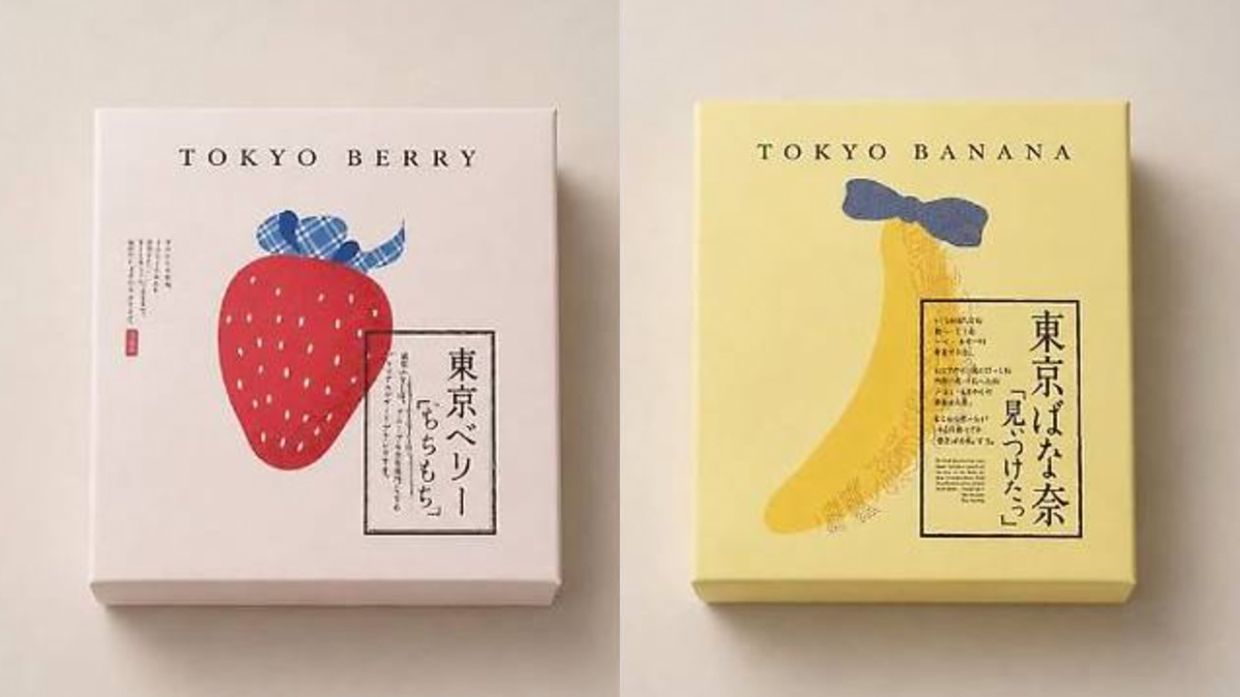
South Korea's newly minted dessert sensation Tokyo Berry has found itself at the centre of an intellectual property dispute that highlights the contentious issue of brand similarity in the Asian food and beverage sector. The company stands accused of producing goods that closely mirror Japan's well-established Tokyo Banana line, a banana-shaped sponge cake manufactured by Japanese confectionery giant Grapestone. The allegations have sparked considerable consumer backlash both in South Korea and beyond, raising questions about product differentiation and the marketing strategies employed by emerging food brands in the region.
The controversy gained momentum after consumers began posting side-by-side comparisons of Tokyo Berry and Tokyo Banana packaging across social media platforms, drawing attention to striking visual parallels between the two product lines. What initially appeared as casual online commentary rapidly escalated into a broader debate about whether Tokyo Berry's design choices constituted homage, inspiration, or outright imitation. The timing of these revelations proved particularly damaging for the fledgling brand, which had been generating considerable buzz through its presence at major South Korean retail destinations.
Tokyo Berry's market entry strategy relied heavily on pop-up installations at prestigious department store chains including Lotte and Shinsegae, venues that typically signal quality and prestige to Korean consumers accustomed to curated shopping experiences. These temporary retail spaces drew impressive customer queues, suggesting strong initial consumer interest in the product category and brand positioning. However, this enthusiasm would prove short-lived once the copying allegations surfaced and spread through online communities, fundamentally altering public perception of the brand's legitimacy and originality.
The brand's promotional messaging appears to have inadvertently contributed to consumer confusion regarding its origins. Marketing materials emphasised phrases such as "capturing the flavours of seasonal fruits and the essence of Tokyo", language that some consumers interpreted as suggesting a Japanese heritage or connection. This positioning, when combined with the visual similarities to Tokyo Banana, created an impression that Tokyo Berry represented an established Japanese export rather than a Korean newcomer attempting to carve out its own market niche. The disconnect between Tokyo Berry's actual South Korean origins and its cosmopolitan, Tokyo-centric marketing narrative fuelled accusations of deliberate consumer deception.
The reputational damage extended beyond mere packaging similarities. Korean social media users characterised the entire situation as a "national embarrassment", suggesting that the controversy touched upon broader sentiments regarding Korean brand authenticity and creativity in the competitive Asian confectionery market. This nationalistic framing transformed what might have been dismissed as a minor design dispute into a matter touching upon collective identity and commercial integrity. The intensity of online criticism reflected deeper concerns within South Korea about maintaining distinctiveness in global food markets increasingly saturated with similar products.
Department store officials responded swiftly to the mounting pressure by cancelling all scheduled future pop-up locations for Tokyo Berry, effectively halting the brand's primary distribution and retail strategy at a critical growth phase. This decisive action by major retail chains underscored the commercial risk associated with sustained negative publicity and the reluctance of established retailers to become collateral damage in brand reputation disputes. For Tokyo Berry, the loss of these high-traffic retail partnerships represented both an immediate sales impact and a signal to consumers that institutional gatekeepers had lost confidence in the brand's legitimacy.
The controversy also unearthed secondary accusations involving Tokyo Berry's inner packaging materials, with some consumers alleging that the brand had copied wrapper designs utilised by Hanjungsun, an established Korean premium dessert producer. Hanjungsun's distinctive use of hanji, or traditional Korean paper, to package its chapssaltteok rice cakes represents a deliberate effort to ground its brand identity in Korean cultural heritage and craftsmanship. These additional allegations suggested a pattern of design appropriation rather than isolated coincidence, compounding the negative perception of Tokyo Berry's overall brand development approach.
In response to escalating criticism, Tokyo Berry management moved to limit further reputational damage by restricting access to its promotional content. The brand disabled comments on its Instagram account and removed various marketing posts, a defensive digital strategy that often backfires by appearing to acknowledge guilt while simultaneously attempting to suppress public dialogue. This approach contrasts sharply with the brand's earlier confident consumer engagement and illustrates how rapidly corporate sentiment can shift when facing coordinated online pressure and institutional retail withdrawal.
Grapestone, the Japanese parent company behind Tokyo Banana, confirmed that it had initiated a formal review process regarding the similarity dispute. Company representatives stated that the matter had been escalated to relevant internal departments responsible for brand protection and intellectual property matters. This measured corporate response suggests that Grapestone is treating the issue seriously enough to warrant internal investigation while avoiding public accusatory statements that might escalate tensions or invite broader legal complications. For Tokyo Berry, Grapestone's engagement represents potential exposure to formal legal action or cease-and-desist communications from one of Japan's prominent confectionery manufacturers.
The Tokyo Berry controversy illuminates ongoing tensions within East Asian consumer markets regarding product differentiation, brand authenticity, and the boundaries between inspiration and imitation. As Korean food and beverage brands increasingly target regional and international audiences, this incident provides cautionary lessons about the importance of developing genuinely distinctive visual identities and transparent brand narratives. The rapid escalation from consumer observation to institutional withdrawal demonstrates how social media amplification and nationalist sentiment can dramatically accelerate reputational consequences in contemporary digital environments.
Beyond the immediate implications for Tokyo Berry, this episode raises broader questions for Malaysian and Southeast Asian food entrepreneurs entering competitive Asian markets. Establishing authentic brand identity, securing appropriate intellectual property protection, and maintaining transparency about product origins have become essential prerequisites for sustainable market success. The incident also reflects the increasing scrutiny that consumers throughout the region apply to imported or newly launched premium food products, particularly when product messaging or design choices create ambiguity about national origin or brand connections.

