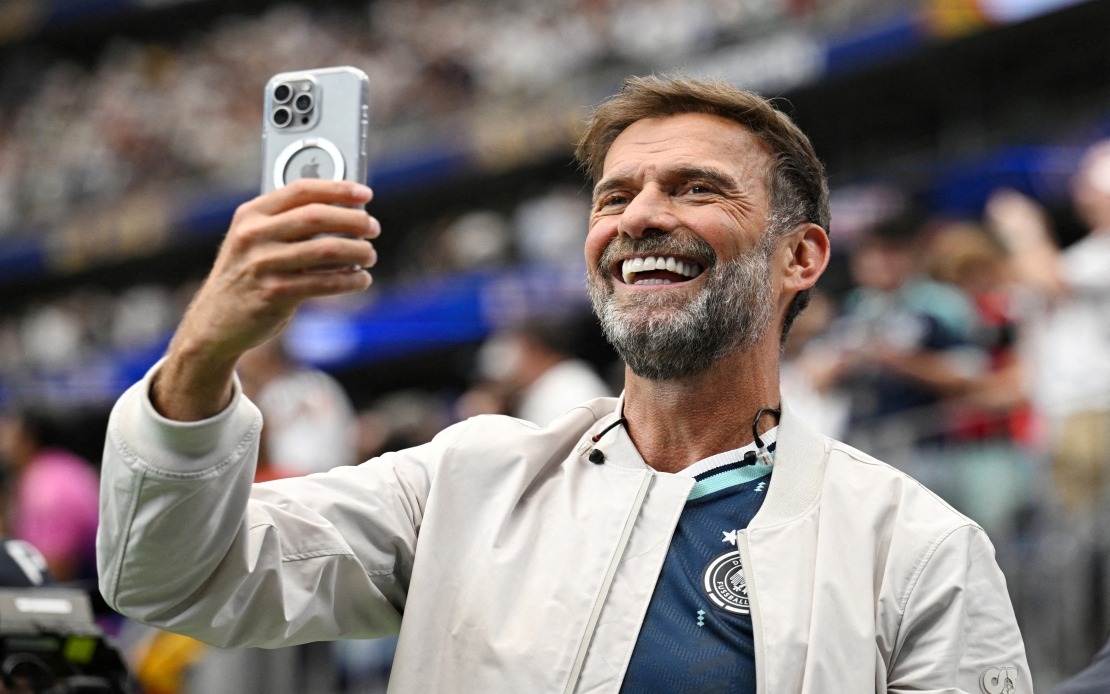
Jürgen Klopp has publicly confirmed his involvement in talks with the German Football Federation regarding the vacant national team coaching position, following Julian Nagelsmann's resignation in the wake of Germany's World Cup elimination. Speaking during an appearance on MagentaTV, the former Liverpool manager acknowledged that the DFB had approached him as part of their succession planning, though he cautioned that reaching a final arrangement would demand considerable time and detailed discussions between all parties involved.
Klopp's emergence as the leading candidate represents a significant moment for German football. His track record of success, including two Bundesliga titles with Borussia Dortmund and a Champions League triumph with Liverpool, positions him as one of Europe's most accomplished contemporary coaches. The 57-year-old's availability, following his departure from Anfield last summer after nine years in charge, makes the timing particularly relevant for the DFB's search for fresh leadership.
The underlying challenge facing any new Germany coach extends beyond individual tactical acumen or motivational capability. Klopp's own assessment—that the current difficulties plaguing the national team cannot be attributed simply to Nagelsmann's departing tenure—points toward structural issues within German football. The squad composition, development pathways, and strategic direction have all come under scrutiny following underperformance at the World Cup, suggesting that fundamental problems require systemic rather than purely managerial solutions.
Nagelsmann's exit came after nearly three years leading the team and represents a significant setback for the federation. Germany's elimination at the group stage of the recent World Cup, culminating in a penalty shootout defeat against Paraguay, precipitated his decision to step aside. This outcome shocked German football observers, accustomed to the national team's traditional strength and consistency on the international stage. The sudden nature of the change has left the DFB scrambling to identify a replacement capable of restoring confidence and competitiveness.
Klopp's statement that he is "more than recharged" following his sabbatical suggests personal readiness for a demanding assignment. His time away from daily coaching responsibilities has afforded him recovery and perspective after an intensive period at Liverpool. However, his declaration of readiness must be weighed against the practical complications surrounding the position. The manager currently holds the title of Head of Global Soccer at Red Bull, a role that has kept him engaged with football at a strategic level while avoiding the day-to-day pressures of team management.
The Red Bull contract, which extends until 2029, presents the most immediate obstacle to any potential agreement. Klopp has acknowledged that any move to the DFB would require negotiation with his current employer, Red Bull's CEO Oliver Mintzlaff. The resolution of this contractual situation will prove crucial; both organizations must reach an amicable understanding that preserves their respective institutional reputations and interests. Klopp's emphasis on ensuring Red Bull emerges from such a scenario as a winner indicates his awareness of diplomatic sensitivities involved in departing his current position.
For Malaysian football followers and Southeast Asian observers more broadly, Klopp's potential appointment carries wider resonance. His approach to squad development, youth integration, and tactical innovation has influenced coaching methodologies across global football. Should he assume the Germany position, his philosophies would once again shape one of world football's most prominent programs, potentially influencing tactical trends and player development approaches throughout Asia's expanding football ecosystem.
The DFB's deliberative process, as Klopp characterized it, suggests the federation is taking measured steps rather than rushing toward appointment. This measured approach appears appropriate given the magnitude of the decision and the interconnected complications requiring resolution. The federation must balance the desirability of securing a world-class coach against the practical realities of existing contractual arrangements and institutional relationships.
Klopp's respectful references to Nagelsmann—describing him as an "extraordinary coach"—reflect the football world's general assessment of the outgoing manager's capabilities. This diplomatic tone suggests Klopp understands that Germany's problems involve structural factors extending beyond individual coaching ability. His recognition that the situation would likely have developed differently had Germany defeated Paraguay rather than losing to them on penalties highlights how narrow margins at international tournaments can dramatically alter narratives and institutional directions.
The negotiations ahead will test all parties' flexibility and commitment to finding workable solutions. Red Bull's position, while contractually secure, must ultimately yield if a mutually beneficial arrangement emerges. The DFB, despite its institutional authority, must acknowledge the legitimate interests of Klopp's current employer. Klopp himself must balance his evident enthusiasm for the role against realistic assessment of the challenges confronting the German national team program.
These discussions also occur within a broader context of European football's competitive dynamics. France, England, and Spain continue fielding formidable national teams, creating pressure on Germany to quickly reestablish competitiveness. Klopp's appointment, should it proceed, would signal the DFB's serious commitment to returning to traditional elite status. The timing of these negotiations, unfolding in summer 2024, suggests the federation hopes to finalize matters before qualifying campaigns for the next major tournaments commence.
For Malaysian and Asian football communities observing these developments, Klopp's potential move to the German national team represents another chapter in the global circulation of elite coaching talent. His career trajectory—from German domestic football to international prominence and now potentially back to national team responsibilities—illustrates how top-tier football talent moves across different scales and contexts. Whether final agreement emerges between Klopp and the DFB, the ongoing discussions themselves demonstrate the complexity of modern football administration, where high-profile appointments require careful navigation of multiple stakeholder interests and contractual obligations.

