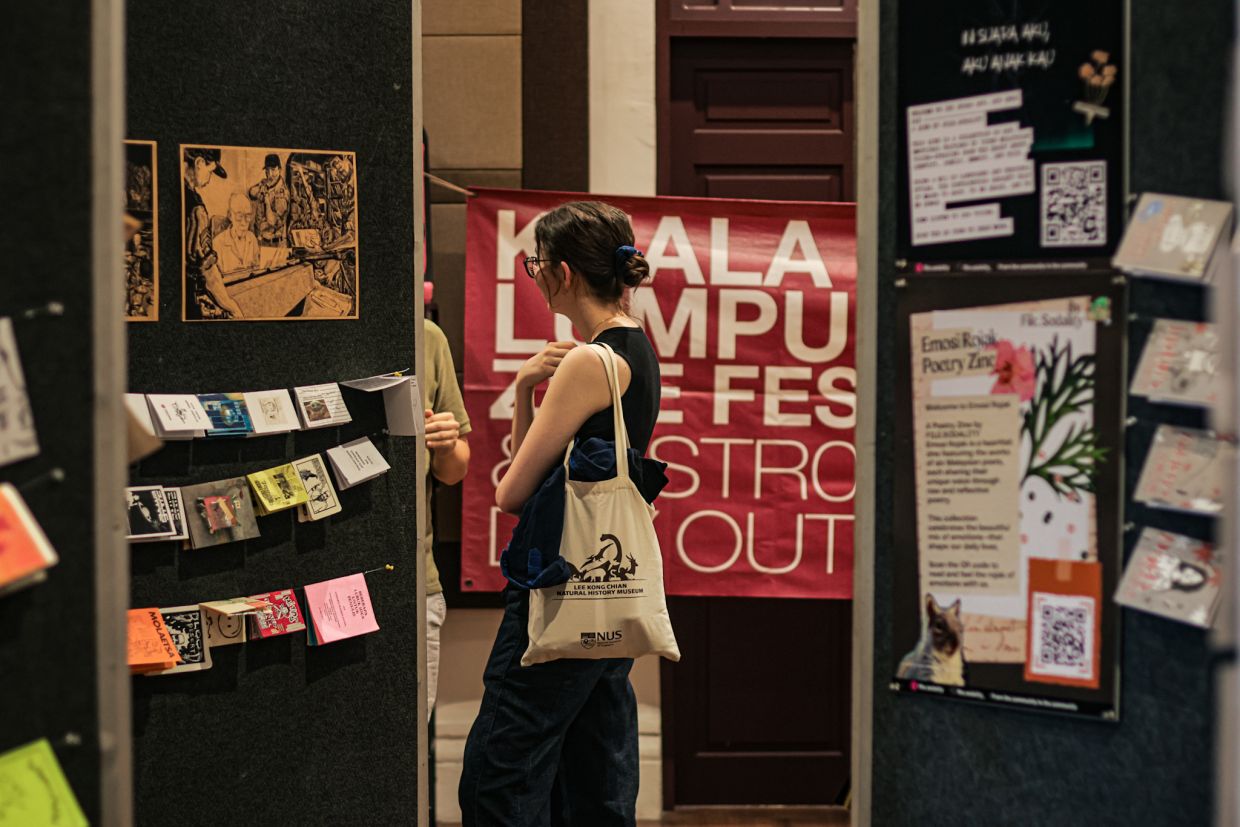
The KL Zine Etc festival returns this year as an increasingly central event in Malaysia's independent arts landscape, cementing Kuala Lumpur's role as a gathering point for grassroots creative culture. The second edition of the festival is expanding significantly in scope, taking over the entire first floor of a heritage trade hall and doubling its vendor count from the inaugural event. This growth reflects a thriving ecosystem of independent creators, self-publishers and DIY makers who operate outside conventional publishing channels, continuing a tradition rooted in the merdeka ethos that has always characterised zine culture worldwide.
The festival's substantial growth—from 30 to over 50 participating vendors—demonstrates the depth of Malaysia's underground creative community. Exhibitors range from established independent publishers to emerging zinemakers, all bringing together handmade zines, artist books, experimental publications and limited-edition prints that showcase the breadth of contemporary alternative publishing. The expanded vendor list includes returning participants and newcomers, ensuring fresh perspectives alongside beloved regulars. This balance between continuity and innovation appears intentional, allowing the festival to build on its established identity while remaining dynamic and responsive to emerging trends within the independent publishing sphere.
Central to this year's programme is a distinctly political dimension: an anti-war themed exhibition serving as the festival's lead initiative. According to the organising committee, this thematic choice emerged from reflection on global conflicts as well as internal struggles shaped by mental health, personal identity and ideological divisions. The committee framed the festival as an attempt to foster dialogue and reconciliation, inviting both vendors and visitors to establish personal "ceasefire zones"—spaces dedicated to reading, reflection and communal sharing. This terminology is particularly meaningful for a region navigating its own complexities around conflict, resilience and social cohesion.
Beyond the central exhibition, the three-day festival programme encompasses diverse activities designed to engage multiple audiences. Zine-focused workshops offer hands-on creative instruction, while film screenings and live music sessions provide cultural programming that extends beyond the printed page. These varied offerings acknowledge that zine culture is not merely literary but performative and participatory, involving music, visual art, spoken word and collective experience. The programming structure allows visitors to engage at different levels of intensity, whether attending specific sessions or browsing the vendor floor at leisure.
The thematic and content diversity represented across KLZE's participating vendors reflects the breadth of contemporary independent publishing in Malaysia. Works on display span contemporary fanzines, punk aesthetics, folk narratives and indigenous activism alongside explorations of comics, environmental justice, feminism and alternative gaming cultures. This eclecticism is not accidental—it demonstrates how independent publishing has become a vehicle for marginalised voices, dissenting perspectives and cultural expressions that mainstream media often overlooks or excludes. Zines function as a democratic medium, allowing anyone with ideas and basic production skills to participate in cultural discourse.
A striking aspect of KLZE's second edition is its explicitly national character. The festival has deliberately recruited independent publishers and creators from across Malaysia's diverse regions, including Kedai Hitam Putih from Kelantan, Pipit Press from Melaka, Shuren Press from Johor, Olivia JD from Sarawak and Borneo Komrad from Sabah. This geographical distribution is significant, as it foregrounds the independent publishing activity flourishing beyond Kuala Lumpur and demonstrates that creative economies exist across Malaysia's states. Such inclusion strengthens the festival's claim to represent a genuinely Malaysian cultural movement rather than merely a capital-city phenomenon.
Equally important is KLZE's emerging identity as a regional hub for Southeast Asian independent creators. The festival is welcoming exhibitors and visitors from Singapore, Indonesia, the Philippines, Hong Kong, China, Myanmar and Taiwan, positioning Kuala Lumpur within a broader transnational network of zinemakers and alternative publishers. This regional dimension reflects how independent publishing communities operate increasingly as interconnected networks, with creators sharing techniques, aesthetic influences and political commitments across borders. For Malaysian participants, this exposure creates opportunities for collaboration and cultural exchange that strengthen local creative practice through international engagement.
The festival's commitment to linguistic diversity further underscores its regional ambitions. Printed works will be available in Bahasa Malaysia, English, Chinese and additional languages, ensuring accessibility across the diverse linguistic landscape of Southeast Asia. This multilingual approach acknowledges that independent publishing in the region is inherently polyglot, with creators working across languages to reach different audiences and communities. Language choice in zine-making is itself often a political act, particularly for creators working in minority or historically marginalised languages.
Organisers emphasise that KLZE's core purpose is to create spaces where local and regional zinemakers can establish meaningful connections while ensuring that alternative narratives receive visibility and celebration. The hope extends beyond the festival itself, with explicit focus on fostering friendships and collaborative relationships that might extend into future projects and partnerships. This vision positions zine festivals not merely as commercial transactions or cultural consumption but as community-building exercises with potential long-term impact on creative networks.
Practical accessibility remains important to the festival's philosophy. Entry is priced at RM10, with each ticket including a RM5 voucher redeemable towards zine purchases. This pricing structure acknowledges both the economic realities of independent publishers, who operate on tight margins, and potential visitors who might be price-sensitive, particularly younger audiences or students. The voucher system directly circulates money through participating vendors, supporting the ecosystem that makes the festival possible.
The festival's growth and evolution signal that independent publishing in Malaysia has moved from niche pursuit to increasingly recognised cultural force. KLZE now functions as an annual touchstone for the country's zine community, drawing attention to creative work that deserves recognition within broader Malaysian cultural discourse. As regional creative networks deepen and expand, events like KLZE become infrastructure supporting artistic flourishing across the Association of Southeast Asian Nations, allowing creators to access audiences, collaborators and ideas beyond their immediate geographic proximity.

