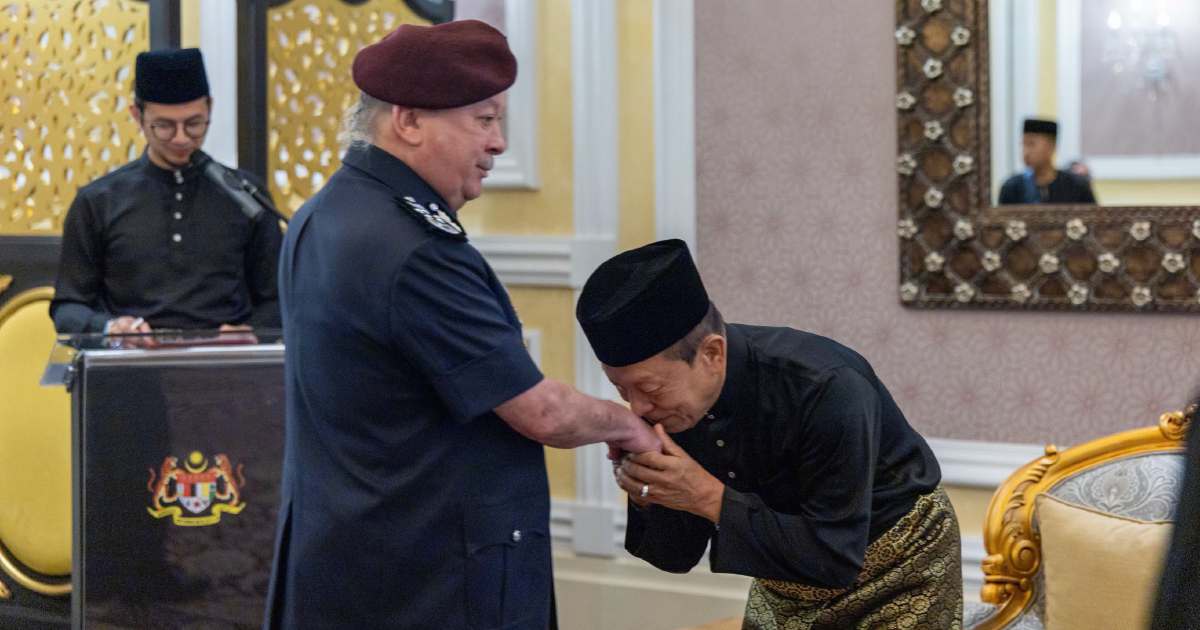
His Majesty Sultan Ibrahim, King of Malaysia, received Malaysian Anti-Corruption Commission chief commissioner Datuk Seri Abdul Halim Aman during a formal audience at Istana Negara in Kuala Lumpur on Wednesday. The meeting represents part of the King's regular engagement with heads of key national institutions responsible for maintaining governance standards and public accountability across the nation.
The audience underscores the significance the monarchy places on Malaysia's anti-corruption apparatus at a time when public confidence in institutional integrity remains a pressing concern for both government and citizens. As constitutional head of state, the King routinely meets with leaders of critical agencies to stay informed on matters affecting national governance and institutional performance. Such audiences serve as important forums for dialogue between the highest office and operational heads of institutions mandated to uphold the rule of law.
The MACC, established in 2009 as the country's primary anti-corruption body, operates under the purview of the Prime Minister's office and investigates corruption allegations across the public and private sectors. Under Datuk Seri Abdul Halim Aman's leadership, the commission has pursued high-profile cases and maintained public visibility regarding anti-corruption enforcement efforts. These formal interactions between the King and institutional heads reflect the constitutional framework's emphasis on transparency and accountability at the highest levels of governance.
For Malaysian readers accustomed to monitoring governance developments, such audiences carry symbolic weight beyond their immediate ceremonial purpose. They signal royal acknowledgment of anti-corruption work and can influence public discourse surrounding institutional legitimacy and effectiveness. In Southeast Asia, where perceptions of institutional independence and political neutrality often shape public trust in governance, visible royal support for anti-corruption bodies reinforces their standing among both the general population and international observers.
The timing of this particular audience occurs within Malaysia's broader context of ongoing corruption cases, parliamentary scrutiny of government processes, and public demands for enhanced transparency. Major investigations into alleged misconduct involving political figures and business leaders continue to occupy significant media attention and public interest. The King's engagement with the MACC chief signals institutional continuity in addressing such matters regardless of shifting political circumstances.
Regularly scheduled audiences between the monarch and institutional leaders serve practical functions beyond ceremonial observation. They provide channels for direct communication about operational challenges, resource requirements, and strategic priorities that may benefit from royal awareness. For the MACC specifically, such contact with the King can facilitate dialogue on matters affecting the agency's independence, investigative capacity, and statutory mandate.
Malaysia's constitutional framework vests the King with significant symbolic authority as guardian of the federal constitution and upholder of Islam in the country. This position enables the monarchy to function as an important custodian of institutional values and national principles, making royal audiences with anti-corruption officials particularly meaningful within Malaysia's governance architecture. The visibility of such meetings reinforces public understanding that anti-corruption efforts command respect at the highest constitutional level.
From a regional perspective, Malaysia's emphasis on formal institutional interactions reflects broader Southeast Asian patterns where monarchies and heads of state maintain active engagement with key governance bodies. This approach contrasts with some neighboring jurisdictions where institutional relationships operate with less visible royal involvement. The practice demonstrates Malaysia's commitment to maintaining structured dialogue between constitutional offices and operational institutions.
The audience also occurs against a backdrop of international scrutiny regarding Malaysia's anti-corruption standing. Foreign observers monitoring governance developments often note the visibility and apparent independence of the MACC as indicators of institutional health. Royal acknowledgment of the agency through formal audiences contributes to perceptions of institutional legitimacy both domestically and internationally, potentially influencing Malaysia's standing in global governance assessments and anti-corruption rankings.
Moving forward, such regular engagement between the King and the MACC chief commissioner will likely continue as part of established royal protocol and institutional practice. These interactions, while often reported briefly in official news channels, represent important continuities in Malaysia's governance structure and the monarchy's active role in maintaining institutional relationships that uphold constitutional principles and public accountability standards.

