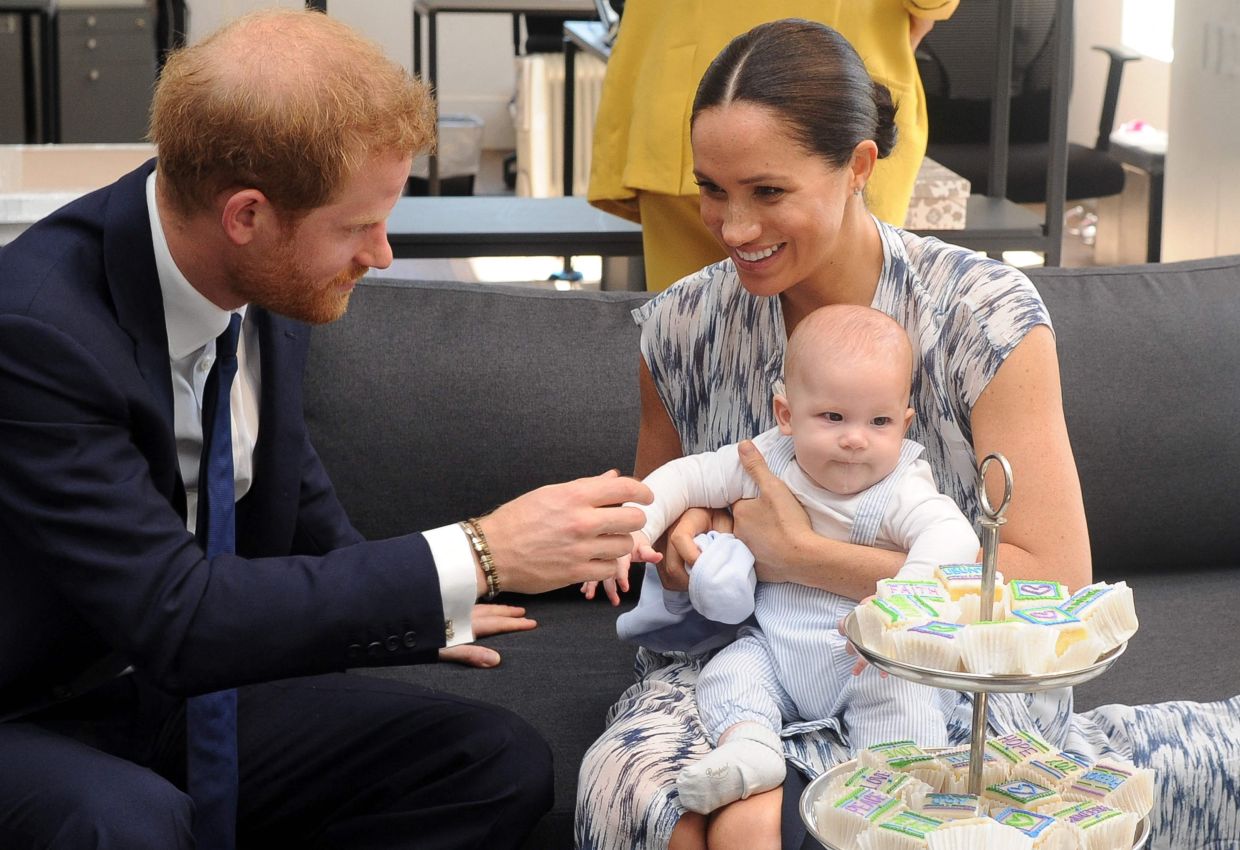
King Charles III opened the doors of Highgrove House, his country residence west of London, to welcome Prince Harry and his family on Friday, creating an unprecedented opportunity for reconciliation after more than half a decade of estrangement. The meeting between the monarch, Queen Camilla, and the Duke and Duchess of Sussex—alongside their children Prince Archie and Princess Lilibet—represented a significant moment for a family whose ties have been strained since Harry and Meghan stepped back from royal duties and relocated to California in pursuit of independent ventures away from the constraints of palace life.
The carefully orchestrated gathering carried enormous symbolic weight in the broader narrative of Britain's royal family. Harry's arrival in his homeland on July 6 had generated intense speculation across British media outlets, with newspapers and broadcasters fixating on whether a meaningful encounter between the estranged son and his aging father would materialise. The question of whether Meghan would attend and, more critically, whether the couple would bring their children to finally establish a proper relationship with their grandfather had dominated headline coverage throughout the week, reflecting the genuine fascination and concern many Britons hold regarding the future of the monarchy's internal cohesion.
The logistics of arranging such a meeting underscore the profound complexity of modern royal life and the practical challenges facing the family. The monarch's calendar is typically constructed years in advance, with every engagement meticulously planned and scheduled to accommodate state duties, ceremonial obligations and international commitments. The narrow window for this particular gathering proved fortuitous, driven partly by the imminent return of Archie and Lilibet to school and their residence in California. The urgency to capitalise on this fleeting opportunity created considerable tension behind palace doors earlier in the week, manifesting in the embarrassing public episode where royal officials extended an invitation for Harry to lodge at Buckingham Palace before abruptly withdrawing the offer when the prince failed to respond with sufficient promptness.
Harry's visit arrived at a particularly challenging moment in his personal legal odyssey. The timing coincided with his final defeat in a protracted lawsuit aimed at restraining British tabloid intrusions into his private affairs. A judicial ruling determined that the prince had failed to substantiate his privacy invasion claims against a major newspaper publisher, representing yet another setback in his years-long struggle against the very media mechanisms that initially prompted his family's withdrawal from public life. This legal defeat underscored the persistent vulnerabilities that have driven much of Harry's contemporary decision-making and his desire to rebuild family bonds.
The underlying fracture within the House of Windsor traces its origins to the couple's fundamental rejection of traditional royal constraints and institutional expectations. When Harry and Meghan renounced their formal positions and pursued substantial commercial partnerships in North America, they fundamentally challenged the monarchy's capacity to control its own narrative and public presentation. The release of Harry's memoir subsequently intensified these wounds, containing unflattering characterisations of senior royals and particularly scathing allegations regarding Queen Camilla's alleged pattern of leaking confidential family information to sympathetic media outlets to rehabilitate her personal reputation. These revelations, combined with broader accusations of a corrupting symbiosis between the monarchy and press organisations, created a narrative that the royal institution found deeply threatening and humiliating.
Central to Harry's motivation for seeking reconciliation is his awareness of his father's advancing age and health challenges. At 77 years old, King Charles is currently undergoing treatment for an undisclosed form of cancer, a reality that appears to have crystallised for Harry the finite nature of family relationships and the imperative to overcome longstanding grievances before circumstances make such efforts impossible. Harry has publicly articulated this recognition, telling the BBC that continuation of familial conflict serves no meaningful purpose when time itself becomes the ultimate arbiter. His previous statement that he harbours no interest in perpetual antagonism and desperately desires reconciliation with his father reflects a philosophical shift toward acceptance and pragmatism.
Previous contact between father and son had been extremely limited. A brief encounter over tea in September represented their first substantial interaction in well over a year, demonstrating the profound distance that had accumulated between them. The current gathering, however, served a more meaningful purpose: enabling the grandchildren to establish substantive memories with their grandfather. Archie, now seven years old, and five-year-old Lilibet had previously encountered King Charles during the Platinum Jubilee celebrations honouring the late Queen Elizabeth II in 2022, but those meetings occurred when the children were substantially younger and their capacity for retention was minimal.
The palace's decision to designate the Highgrove meeting as a private family occasion, with no official photographs released for public consumption, indicated a deliberate choice to shield the reconciliation process from media scrutiny and the performative expectations that typically accompany royal engagements. This approach differs markedly from the couple's more publicised interactions and reflects an institutional recognition that authentic family healing requires privacy and protection from external commentary. The absence of official imagery prevents the encounter from being dissected, analysed and politicised in the manner that has characterised virtually every other aspect of Harry and Meghan's relationship with the royal establishment.
For Malaysian and broader Southeast Asian observers, this royal reconciliation holds distinct relevance. The Commonwealth maintains symbolic connections to the British monarchy, and public interest in royal family dynamics remains considerable throughout the region. The narrative of Harry and Meghan's departure from tradition resonated particularly with younger demographics in Malaysia and the broader region, who frequently perceive the couple as representatives of modernity challenging hidebound institutional conservatism. The current rapprochement thus carries implications for how the monarchy positions itself amid contemporary pressures toward transparency, personal autonomy and institutional reform.
The path toward genuine reconciliation, however, remains uncertain and fragile. While Friday's gathering represents a tangible step toward healing, the underlying grievances that prompted the family's estrangement have not been systematically addressed or resolved. The couple's commercial ventures in California continue to generate revenue substantially dependent upon their status as controversial figures within the royal narrative. Media coverage of their activities, combined with ongoing legal disputes, suggests that fundamental tensions persist beneath the surface of this provisional reunion. Observers of the royal family must recognise that this meeting, while symbolically important, constitutes merely an initial gesture rather than a comprehensive resolution of the profound institutional and personal conflicts that fractured this branch of the Windsor dynasty.

