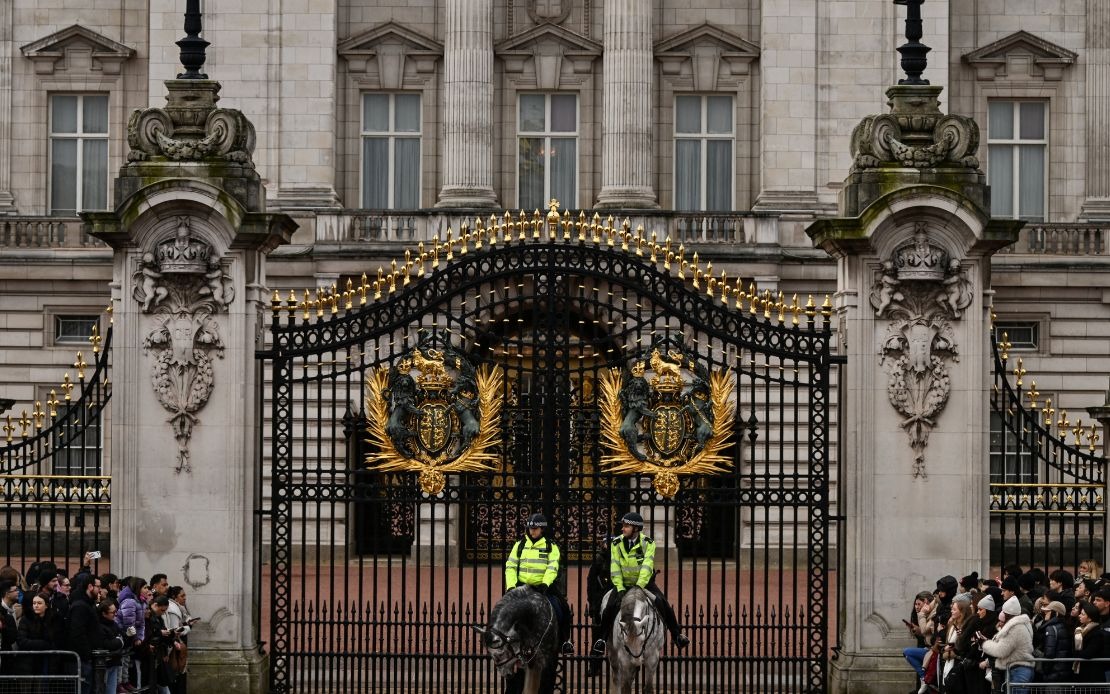
Britain's King Charles III has confirmed that Buckingham Palace will serve as the official ceremonial and public-facing hub of the monarchy once its decade-long restoration programme concludes, but the royal couple will maintain separate private quarters elsewhere. The Royal Household announced the arrangement on Thursday, clarifying the future role of the iconic London landmark after its completion of extensive structural and mechanical upgrades now in their ninth year.
The decision represents a significant evolution in how the British monarchy occupies and utilises its sprawling estate of historic residences. Rather than following the traditional model where the reigning monarch lived within the palace whilst conducting official business, Charles and Camilla have opted for a more purposeful division between ceremonial workspace and private home. This approach allows the palace to function primarily as an institutional seat of royal authority and governmental formality, rather than doubling as a private residence.
According to the Royal Household's official statement on royal finances released this week, the palace will continue hosting the full spectrum of official ceremonies, state receptions, diplomatic functions, and other formal events that characterise the work of the Crown. The symbolic weight of these gatherings—from hosting visiting heads of state to receiving dignitaries and hosting royal ceremonies—will remain anchored at Buckingham Palace, maintaining its status as the principal workplace and administrative centre of the Royal Household's operations across the United Kingdom.
The refurbishment project, formally known as the Buckingham Palace Reservicing Programme, has stretched across a decade with the aim of modernising the palace's aging infrastructure whilst preserving its historical character and architectural integrity. Now nearing completion in its ninth year, the initiative has fundamentally overhauled critical systems including plumbing, electrical wiring, heating, and structural elements that had deteriorated significantly. This comprehensive restoration will extend the palace's functional life by decades and ensure it can continue serving state functions reliably.
During the 2025-2026 financial year, the Royal Household documented nearly 97,000 guests attending approximately 827 events held across various royal palaces, demonstrating the substantial public-facing function these residences perform. Buckingham Palace accounts for a significant portion of this activity as the pre-eminent venue for state entertaining and official royal functions. The planned completion of refurbishment work will enable even greater capacity for hosting such functions and potentially expanding public access to portions of the palace.
The Royal Household's vision for the post-refurbishment palace emphasises its transformation into a multifunctional institution serving three interconnected purposes. First, it will remain the ceremonial epicentre of British royal life, hosting the formal events and state functions that project the monarchy's authority and diplomatic role globally. Second, it will function as the primary workplace of the Royal Household administration, housing the offices and departments that manage the Crown's affairs, communications, and relationships. Third, it will increasingly operate as a national heritage asset, opening more of its rooms and collections to public viewing and generating tourism revenue whilst educating citizens about royal history and British cultural patrimony.
From a financial perspective, the monarchy's operational costs have risen alongside inflation and the scope of royal duties. The Sovereign Grant—the annual public funding mechanism that finances the monarch's official functions and maintains the occupied royal residences—was set at £132.1 million for the 2025-2026 financial year, equivalent to approximately US$174 million. This allocation reflects the substantial ongoing costs of operating multiple historic properties and conducting state business at the highest level.
Of that total funding, £67.5 million, or roughly US$89.11 million, was specifically dedicated to preserving, protecting, and maintaining the occupied royal palaces. This substantial capital commitment underscores the intensity of conservation work required to sustain these centuries-old structures whilst meeting modern standards for safety, accessibility, and environmental performance. The Buckingham Palace refurbishment programme represents perhaps the largest single investment within this palace maintenance budget, reflecting the scale and complexity of modernising the British monarchy's most iconic residence.
For Malaysian and Southeast Asian observers, the arrangement offers perspective on how institutions of ceremonial monarchy adapt to contemporary demands. Many Commonwealth nations and traditional kingdoms in the region maintain similar tensions between symbolic residence, administrative necessity, and public access to heritage assets. The British Crown's pragmatic decision to separate the monarch's private living quarters from the official ceremonial workplace reflects a modernisation philosophy that other monarchies may find instructive as they balance tradition with efficiency and public engagement.
The refurbishment's impending completion marks a significant inflection point in royal operations. Once finished, Buckingham Palace will emerge not merely as a restored heritage site but as a reimagined institution deliberately optimised for its ceremonial and administrative functions. This distinction matters symbolically and practically: it signals that the contemporary monarchy exists not as a remote household but as an active governmental and cultural institution deeply embedded in national life and accessible to public understanding and participation.
The decision also reflects broader conversations within the Royal Household about sustainability, public service, and the role of historic institutions in modern society. By positioning Buckingham Palace as a working ceremonial centre rather than a private residence, the monarchy signals that these buildings exist ultimately to serve the state and people, not merely to accommodate individual occupants. This philosophy influences how such institutions justify their public funding, maintain public support, and negotiate their place within democratic societies that increasingly scrutinise the costs and purposes of ceremonial institutions.

