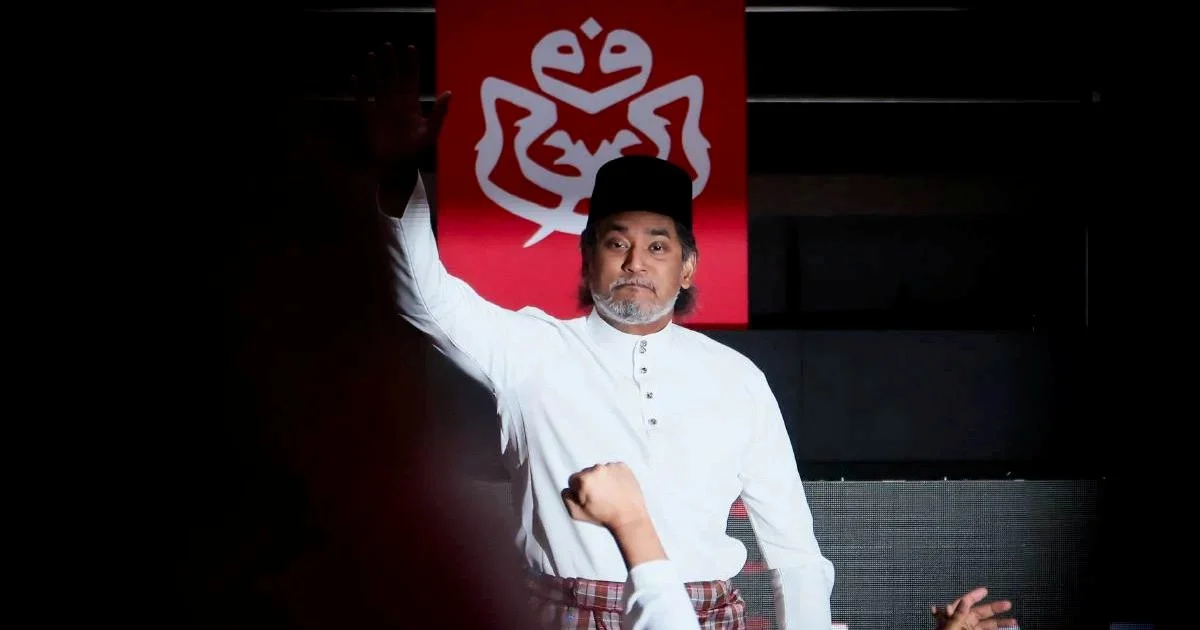
The political landscape in Negri Sembilan ahead of the August 1 state election has become more fluid with the announcement that Khairy Jamaluddin, the former Rembau member of parliament, is prepared to accept whatever decision Umno's central leadership makes regarding his candidacy. This deferential stance marks a notable shift in how the prominent politician is navigating his party's preparations for the forthcoming contest, placing the onus squarely on the party hierarchy rather than asserting his own electoral ambitions.
Khairy's decision to step back from personally driving his candidacy reflects broader dynamics within Umno as the party recalibrates its strategy following previous electoral setbacks. By ceding control of the decision to party leadership, he is essentially signalling his willingness to serve wherever the party deems most beneficial, a calculated move that demonstrates party loyalty while keeping his options open. This approach is particularly significant given his prominence within the party and his previous high-profile roles, which might ordinarily position him to advocate strongly for a seat.
The Negri Sembilan state election represents a critical battleground for Umno, which has been working to rebuild its electoral fortunes in the state. The August 1 polling date creates an urgent timeline for candidate selection, and the party leadership will need to balance various considerations including seat viability, regional representation, and the strategic deployment of senior figures like Khairy. His previous representation of Rembau, a federal constituency, suggests he possesses proven electoral appeal and organisational capacity in his home state, factors that any candidacy decision would naturally factor into.
The context of Malaysian state elections has shifted considerably in recent years, with voters displaying greater sophistication in distinguishing between federal and state-level contests. Negri Sembilan, with its relatively compact electorate, presents particular challenges for larger-than-life national political figures. The state has its own distinct political dynamics, and local issues often outweigh national political narratives. By allowing the party machinery to decide his role, Khairy appears to be acknowledging these realities and avoiding the potential pitfall of overestimating his personal appeal in what is fundamentally a state-level contest.
Umno's leadership faces a complex puzzle in determining its candidate slate for Negri Sembilan. The party must field candidates capable of winning individual constituencies while also presenting a cohesive state-level narrative that resonates with voters. The decision regarding whether to field Khairy in a state seat, a federal seat, or perhaps retain him in a strategic party position altogether reflects these competing considerations. His deferential stance gives the party leadership maximum flexibility in making these determinations without facing public pressure or statements of disappointment from the figure involved.
The broader implications of this candidacy question extend beyond mere personnel deployment. Negri Sembilan has historically been competitive territory, and Umno's performance there will send important signals about the party's ability to maintain its grip on its traditional heartlands. The state's electorate is demographically diverse, encompassing urban centres as well as semi-rural constituencies, requiring a carefully balanced candidate mix. Khairy's potential role in the election, whether as a candidate himself or in a supporting capacity, will contribute to the overall quality and calibre of Umno's offering to voters.
From a strategic communications perspective, Khairy's public stance of deference to party leadership is astute political positioning. It demonstrates respect for the party structure while avoiding any appearance of entitlement or presumption regarding seat allocation. In an era where party unity is frequently tested and internal divisions surface publicly, his willingness to accept the leadership's decision without precondition sends a message of cohesion and collective purpose. This contrasts sharply with instances where senior political figures have publicly advocated for specific positions or expressed disappointment when denied their preferred postings.
The August 1 election date creates a specific timeline within which these decisions must be finalised. Umno's leadership will need to conduct rapid assessment of various candidacy options while managing internal expectations and factions. Khairy's deference to their judgment removes one significant variable from their deliberative process, allowing them to focus on optimising the overall slate composition. His previous parliamentary experience and existing political infrastructure in the state remain valuable assets regardless of the specific decision made.
Looking forward, the decision regarding Khairy's role in the Negri Sembilan election will reveal important information about Umno's strategic thinking. If the party chooses to field him as a state seat candidate, it signals confidence in his ability to deliver in a state-level contest. If the leadership opts instead to deploy him in a supporting or organisational capacity, it suggests a more cautious assessment of his state electoral viability. Alternatively, the party may determine that his talents are better utilised elsewhere entirely. Each outcome carries different implications for how Umno is attempting to position itself for success in what promises to be a keenly contested state election.
The coming weeks will clarify what Umno's leadership decides regarding Khairy's candidacy. His publicly stated willingness to accept the party's decision has positioned him as a team player committed to the broader electoral objectives, a stance that should serve him well regardless of the outcome. The Negri Sembilan election itself will ultimately test not just whether Umno's candidate selection proves successful, but whether the party can effectively mobilise its resources and message to convince state voters of its fitness to govern.