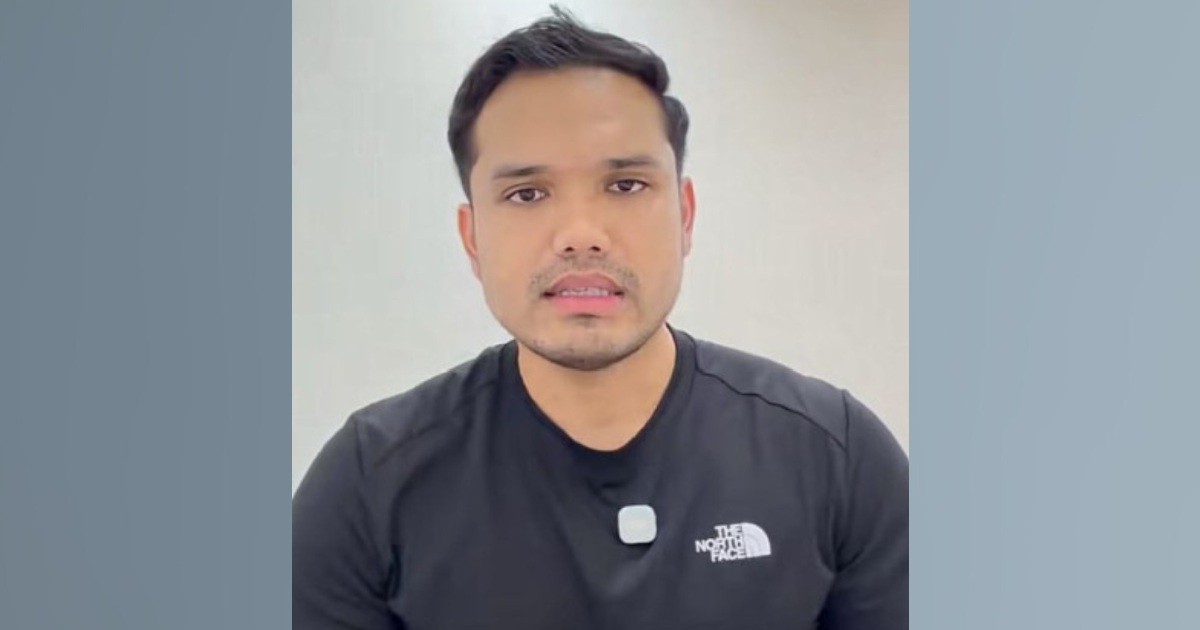
Malaysian influencer and business personality Khairul Aming has publicly voiced alarm following the unauthorized disclosure of his private phone bill information online, raising fresh concerns about data privacy among high-profile public figures in the country.
The celebrity entrepreneur disclosed that he discovered his sensitive telecommunications billing details had surfaced in the public domain, apparently shared by an unidentified third party. The revelation left him visibly unsettled, as the incident underscores the vulnerability of personal financial and communication records in an increasingly digital landscape.
For prominent public figures operating across multiple business ventures and media platforms, such breaches represent more than mere inconvenience. Khairul Aming's situation highlights the particular exposure faced by celebrities who maintain substantial social media followings and engage regularly with commercial enterprises. Phone bills typically contain sensitive information including account numbers, personal identification details, billing addresses, and communication patterns that could be misused for identity theft or targeted harassment.
The incident occurs amid growing awareness in Malaysia regarding data security gaps affecting both individuals and institutions. Telecommunications companies, financial institutions, and service providers increasingly face scrutiny over how they protect customer information from unauthorized access. The leak raises questions about whether Khairul Aming's data was compromised through a breach at his telecommunications provider, through a third party with intermediary access, or through other vectors.
Data privacy breaches have become recurring concerns for Malaysian celebrities and business figures who attract public attention. Unlike ordinary individuals, high-profile personalities face heightened risks of targeted attacks, as bad actors may seek to exploit leaked information for extortion, impersonation, or manipulation. The deliberate nature of this leak—someone actively sharing the details online—suggests malicious intent rather than accidental exposure.
The digital ecosystem in Malaysia continues to present challenges for personal information security. While the Personal Data Protection Act (PDPA) establishes legal frameworks for handling sensitive information, enforcement and accountability mechanisms remain inconsistent across industries. Telecommunications companies hold vast quantities of customer data, yet breaches frequently expose how inadequate internal safeguards can be.
Khairul Aming's public disclosure of the incident serves an important function within Malaysian celebrity culture. When prominent figures speak openly about privacy violations, they encourage broader conversations about data protection and put pressure on service providers to implement stronger security protocols. His willingness to address the matter transparently helps normalize discussions about cybersecurity that many individuals might otherwise keep private from embarrassment or fear.
The identity of whoever leaked Khairul Aming's information remains a crucial unanswered question. Whether the source is a disgruntled service provider employee, a hacker exploiting system vulnerabilities, or someone with personal motives against the influencer will likely determine next steps. Khairul Aming may pursue formal complaints through telecommunications regulatory bodies or law enforcement agencies if investigation confirms deliberate malicious action.
For other Malaysian celebrities and entrepreneurs, Khairul Aming's experience serves as a practical reminder to strengthen personal data security measures. This includes regularly monitoring billing statements, enabling additional security verification on accounts, and being cautious about which organizations retain personal information. Many high-profile individuals now work with cybersecurity specialists to audit their digital footprints and identify vulnerabilities.
The incident also carries implications for Malaysia's broader digital governance framework. As the nation advances toward greater economic and social digitalization, protecting citizen and consumer data must become increasingly central to regulatory and corporate priorities. Businesses handling personal telecommunications information must demonstrate accountability through transparent security policies and prompt breach notification procedures.
Khairul Aming's discomfort following the leak reflects legitimate concerns that extend beyond his individual circumstances. Consumer trust in telecommunications and financial services depends substantially on the confidence that personal information remains protected. When breaches occur, companies must respond swiftly with investigation, remediation, and transparent communication to affected customers.

