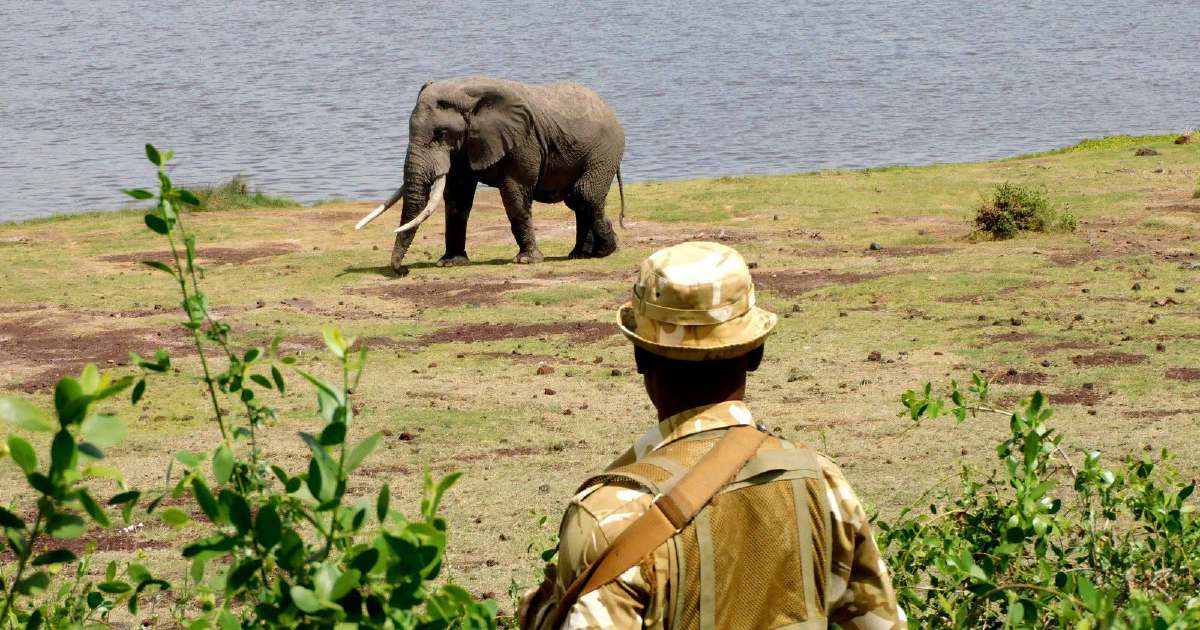
Wildlife authorities in Kenya have initiated a formal investigation into a troubling cluster of elephant deaths at Amboseli National Park, with 15 individuals succumbing within a compressed timeframe of just four weeks. The Kenyan Wildlife Service confirmed the probe on Tuesday, signalling growing alarm over circumstances that remain unclear and potentially indicative of broader ecological or health-related threats to East Africa's elephant populations.
Amboseli, located in southeastern Kenya near the Tanzanian border, ranks among the continent's most significant elephant habitats and has long served as a critical research hub for understanding pachyderm behaviour and conservation. The park's relatively compact size—encompassing roughly 392 square kilometres—means that the loss of 15 individuals represents a meaningful proportion of the resident herd and demands urgent scientific attention. The concentration of deaths within such a brief period distinguishes this incident from natural mortality patterns and has prompted wildlife officials to consider multiple explanatory hypotheses.
The mysterious nature of these deaths reflects a recurring challenge across African wildlife management. Elephant mortalities can result from diverse causes ranging from drought-induced malnutrition and water scarcity to infectious diseases, poaching, human-wildlife conflict, or exposure to toxic substances. Without preliminary autopsy results and environmental assessments, investigators cannot yet determine whether a single pathogenic agent, environmental stressor, or deliberate harm underlies the losses. This investigative ambiguity underscores the complex diagnostic work required in wildlife forensics.
For Malaysia and Southeast Asian conservation communities, the Amboseli situation carries cautionary implications. While Southeast Asia's remaining elephant populations face distinct regional pressures—particularly habitat fragmentation, human encroachment, and localised poaching—the principle remains universal: sudden, concentrated wildlife losses demand swift, multi-disciplinary response. Regional authorities managing populations of Asian elephants in Thailand, Laos, and Malaysia monitor East African precedents closely, as emerging diseases or environmental hazards can occasionally transcend geographical boundaries through ecological networks or trade mechanisms.
Drought conditions have periodically affected the greater Amboseli ecosystem, creating cascading consequences for vegetation availability and water access. East Africa has experienced cyclical aridification, and if climatic stress contributed to these elephant deaths, it would reflect broader patterns of climate vulnerability affecting wildlife across the continent. Such patterns resonate with Malaysian stakeholders managing elephant corridors during dry seasons and developing climate-adaptive conservation strategies.
The investigation's findings will likely inform regional wildlife management protocols across East Africa and potentially influence how other nations approach elephant health monitoring and epidemic preparedness. Kenya's Wildlife Service, collaborating with veterinary specialists and research institutions, will presumably conduct necropsies to establish cause of death, analyse blood and tissue samples, and assess environmental conditions within the park during the mortality period.
Amboseli holds particular symbolic weight within Kenya's conservation narrative and international wildlife discourse. The park has supported longitudinal elephant research spanning decades, generating invaluable knowledge on social behaviour, family dynamics, and population ecology. A significant mortality event threatens both the research population's integrity and the broader ecological balance that researchers have documented and analysed across generations.
Stakeholder responses will likely encompass enhanced disease surveillance, restricted movement of animals if infectious causes are identified, and accelerated environmental assessments examining water quality, vegetation toxicity, and human activity impacts. Kenya's Tourism and Wildlife Ministry may also issue guidance affecting park access, particularly if pathogenic hazards pose risks to tourists or transmission vectors require containment.
The incident exemplifies how even well-managed, iconic protected areas remain vulnerable to sudden ecological crises. Amboseli's international recognition and relatively robust institutional infrastructure provide advantages for rapid investigation compared to less-resourced reserves, yet the situation underscores that wildlife protection demands constant vigilance and adaptive management capacity. For Southeast Asian nations managing smaller, more fragmented elephant populations, such incidents reinforce the imperative of maintaining strong veterinary capacity, disease surveillance networks, and inter-agency coordination mechanisms.
As the Kenyan Wildlife Service pursues answers, regional observers await findings that may illuminate risks affecting elephant populations continent-wide. Whether these deaths result from environmental stress, infectious disease, or other causes will carry implications extending far beyond Amboseli's boundaries, potentially prompting policy adjustments and heightened monitoring across Africa's elephant range and informing conservation priorities in other continents facing analogous challenges to long-term megafauna survival.

